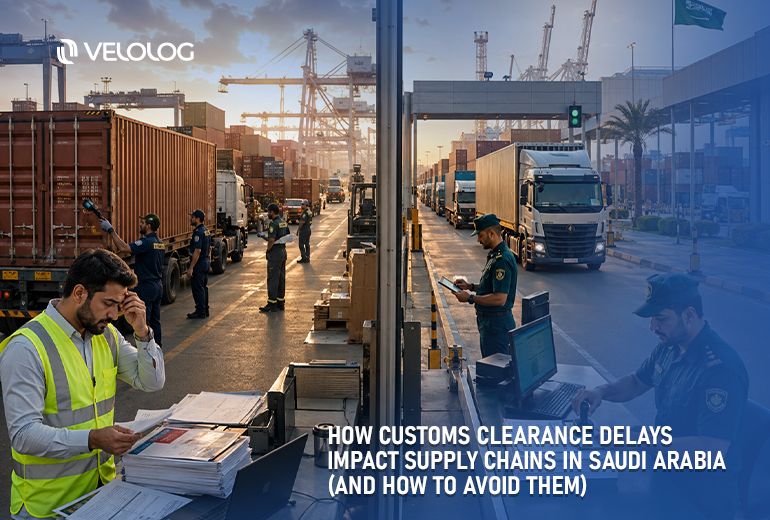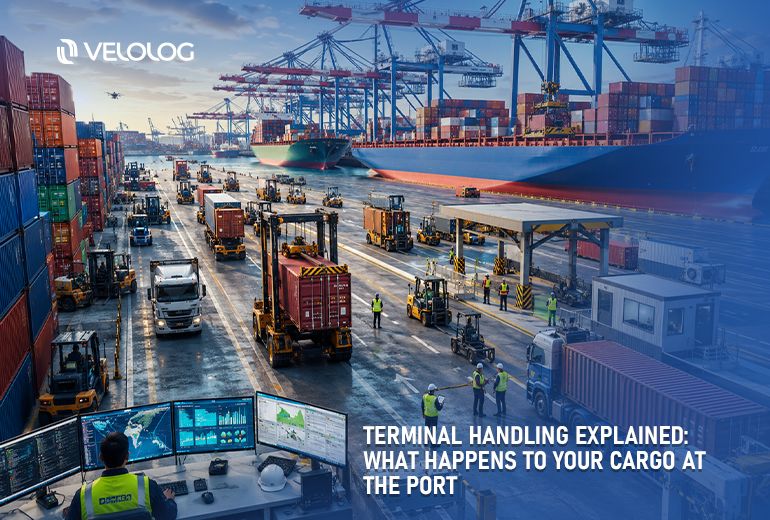
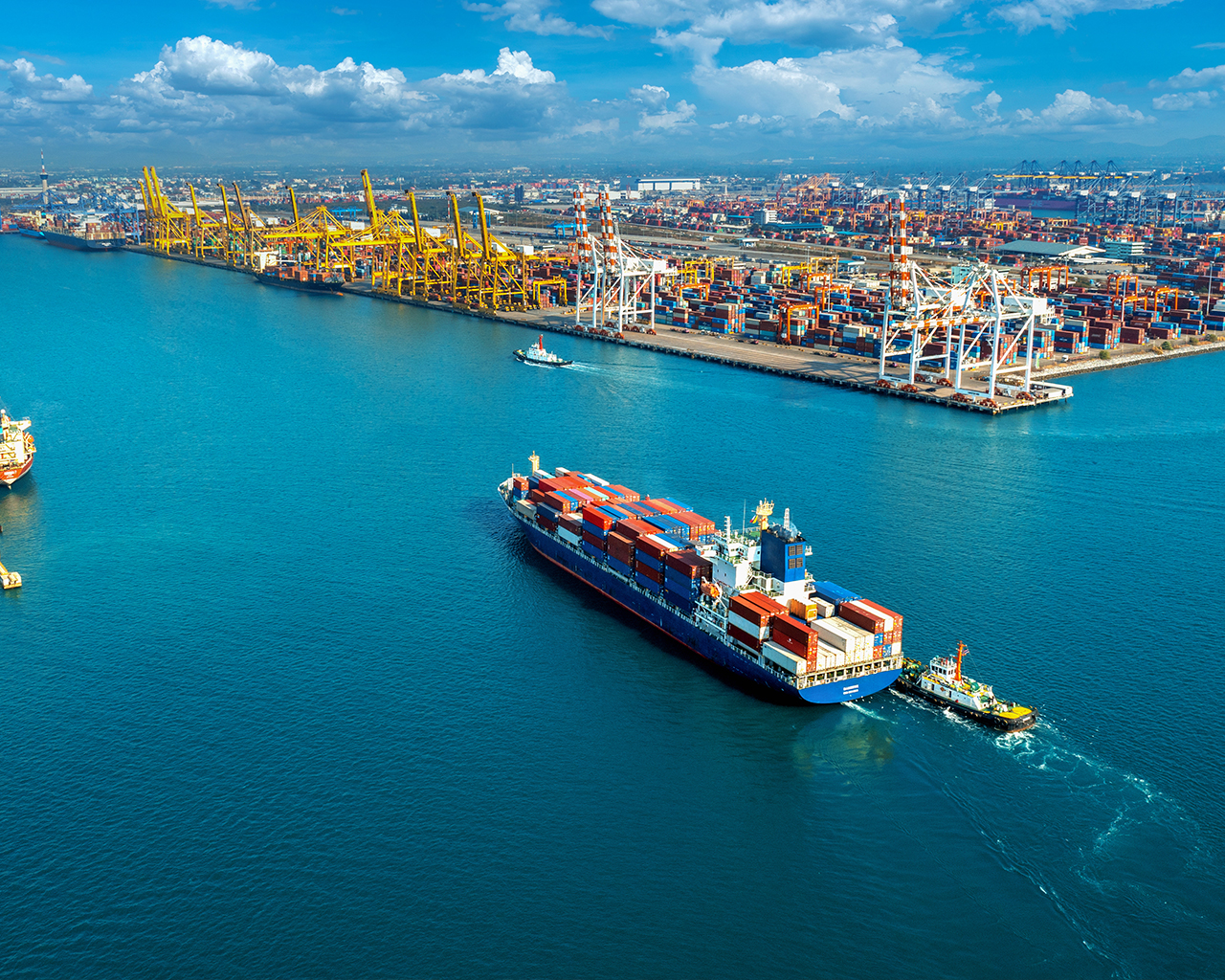







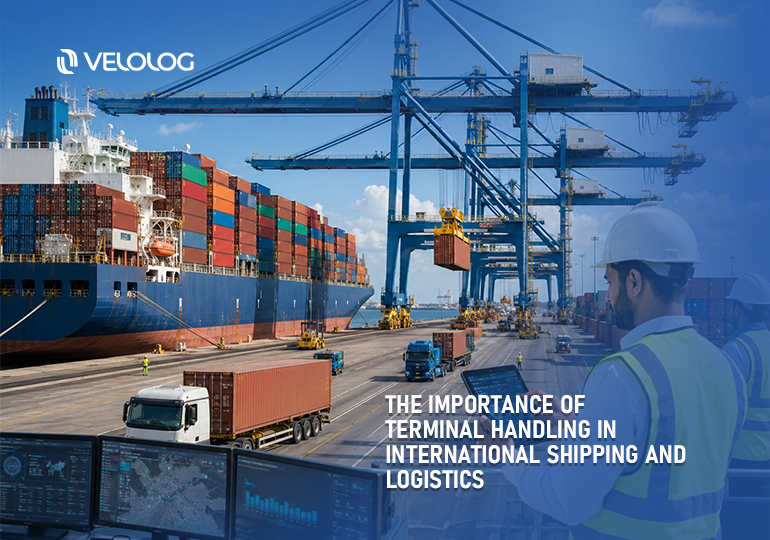
International trade moves on a foundation of precision. Behind every shipment that reaches its destination on time and in perfect condition is a complex series of coordinated operations that most businesses never see. Among these, terminal handling services stand out as one of the most critical — and most underestimated — components of the global supply chain. For companies operating in or through Saudi Arabia, understanding this function is essential to making smarter, faster, and more cost-effective shipping decisions.
What Are Terminal Handling Services?
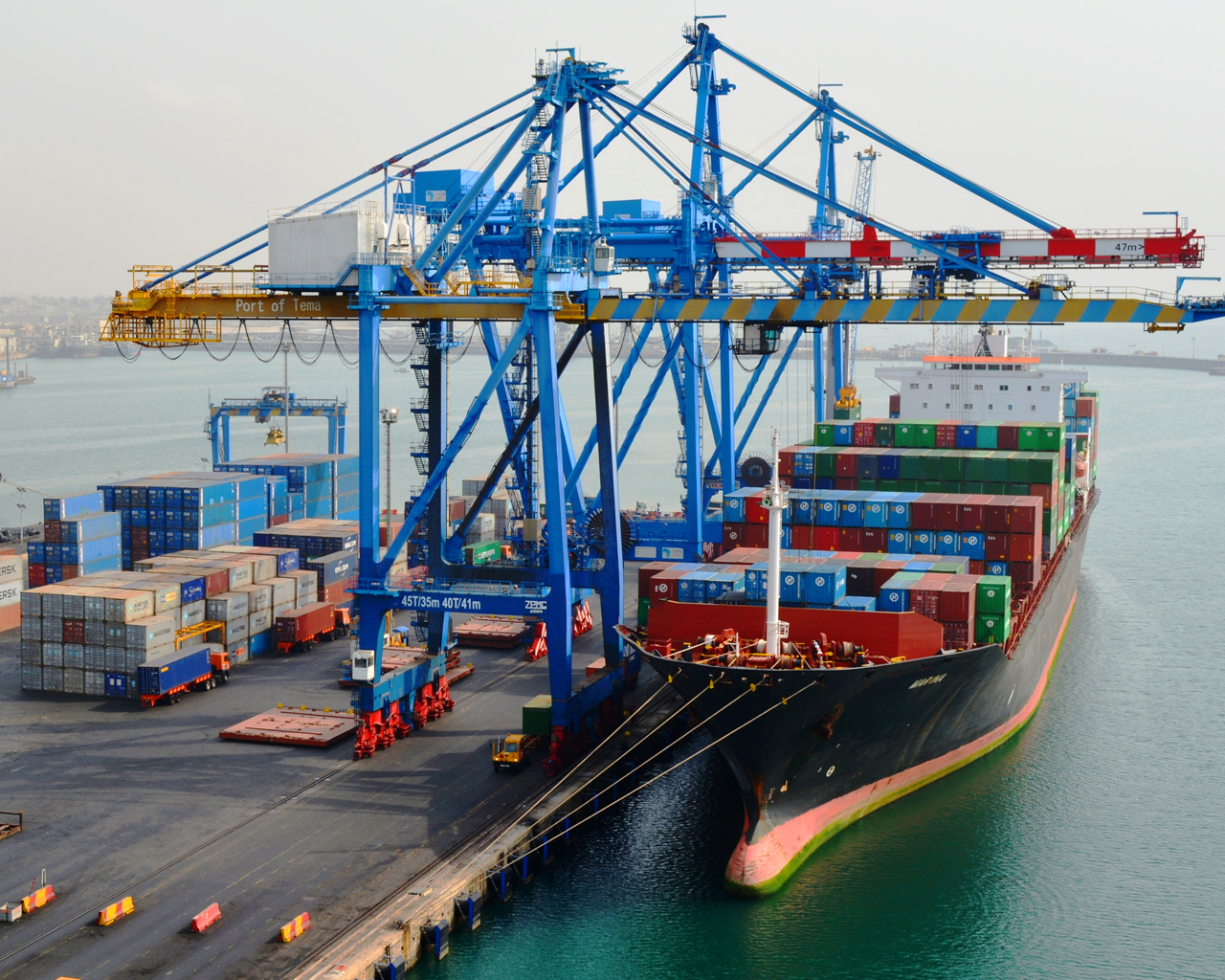
Terminal handling services refer to the full range of activities carried out at a port or cargo terminal to receive, process, store, and dispatch cargo. This includes the loading and unloading of vessels, inspection and documentation, container positioning, and the coordination of onward transportation. Every shipment that passes through a port depends on these services being executed with accuracy and speed.
Far from being a back-end administrative function, terminal handling is the operational heartbeat of international shipping. When done well, it keeps goods moving smoothly. When it breaks down — due to poor planning, inadequate infrastructure, or lack of expertise — the consequences ripple across the entire supply chain, causing delays, additional costs, and damaged relationships with customers and partners.
The Strategic Role of Port Logistics in Saudi Arabia
Saudi Arabia occupies one of the most strategically significant positions in global trade. With access to both the Red Sea and the Arabian Gulf, the Kingdom serves as a gateway between Asia, Europe, and Africa. Ports such as King Abdulaziz Port in Dammam, King Fahd Industrial Port in Jubail, and Jeddah Islamic Port handle millions of containers annually, making port logistics Saudi Arabia a subject of genuine commercial importance.
As the country accelerates its Vision 2030 agenda, with diversification of the economy and expansion of non-oil trade among its core priorities, the demand for reliable, high-quality port logistics in Saudi Arabia is growing rapidly. Businesses importing raw materials, exporting finished goods, or managing regional distribution from Saudi Arabia need logistics partners who understand the local port environment, customs requirements, and regulatory framework inside and out.
Why Cargo Handling Operations Determine Supply Chain Success
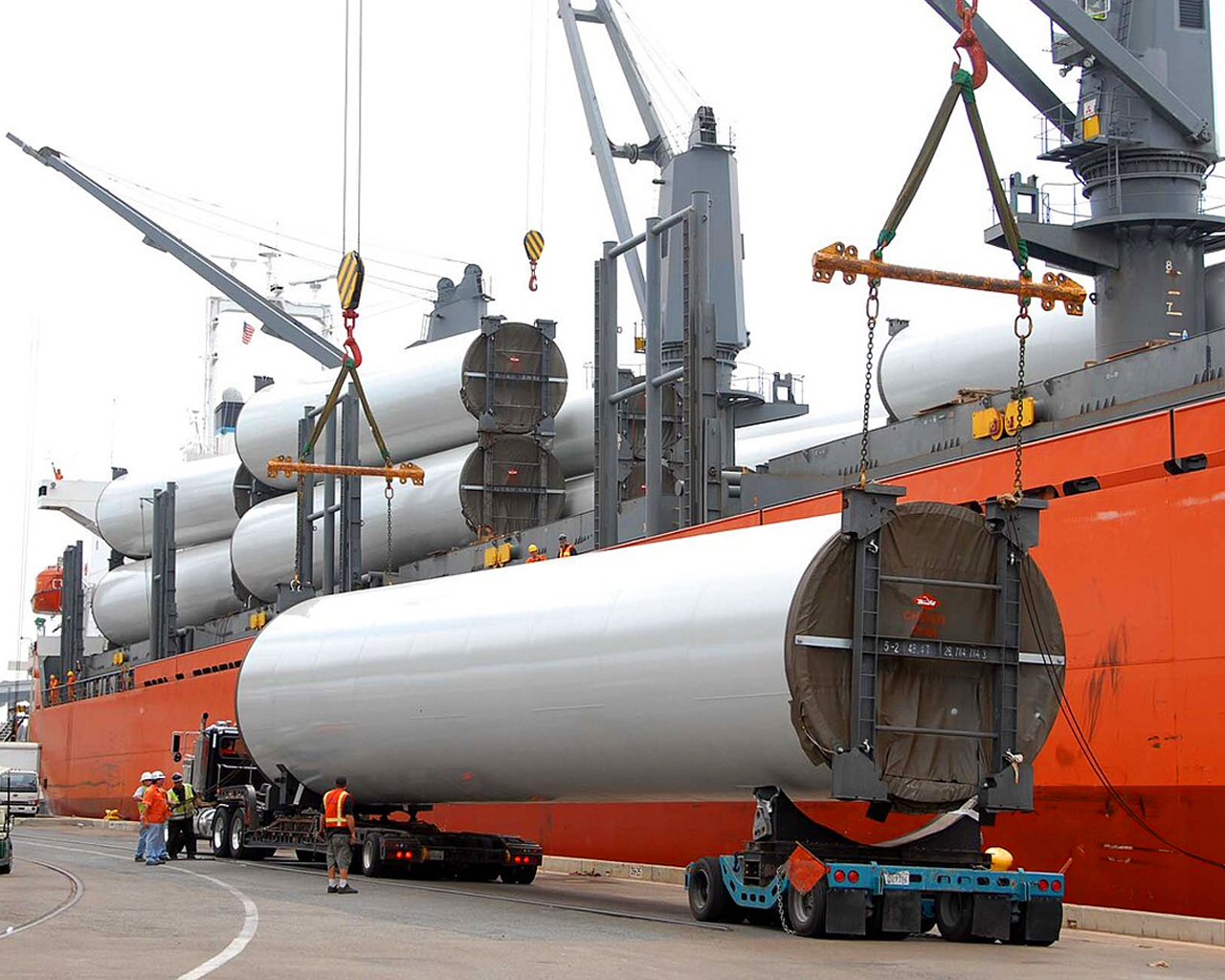
Cargo handling operations encompass everything that happens to a shipment from the moment it arrives at a terminal to the moment it departs for its next destination. This includes receiving and verification, weighing and measurement, documentation processing, storage allocation, container stacking and retrieval, hazardous cargo management, and final dispatch.
The quality of these operations has a direct impact on a company’s bottom line. Slow or disorganized cargo handling operations lead to demurrage charges — fees that accrue when containers remain at a port beyond their permitted free period. These charges can be substantial, particularly for businesses managing large volumes or tight delivery windows. Beyond the financial cost, delays in cargo handling can cascade through the supply chain, pushing back production schedules, disrupting retail timelines, and eroding the trust of end customers.
Efficient cargo handling, by contrast, reduces dwell time, keeps containers moving through the terminal swiftly, and ensures that goods reach their next destination without unnecessary hold-ups. For businesses competing in fast-moving industries, this operational efficiency is a genuine competitive advantage.
Container Management: The Backbone of Modern Shipping
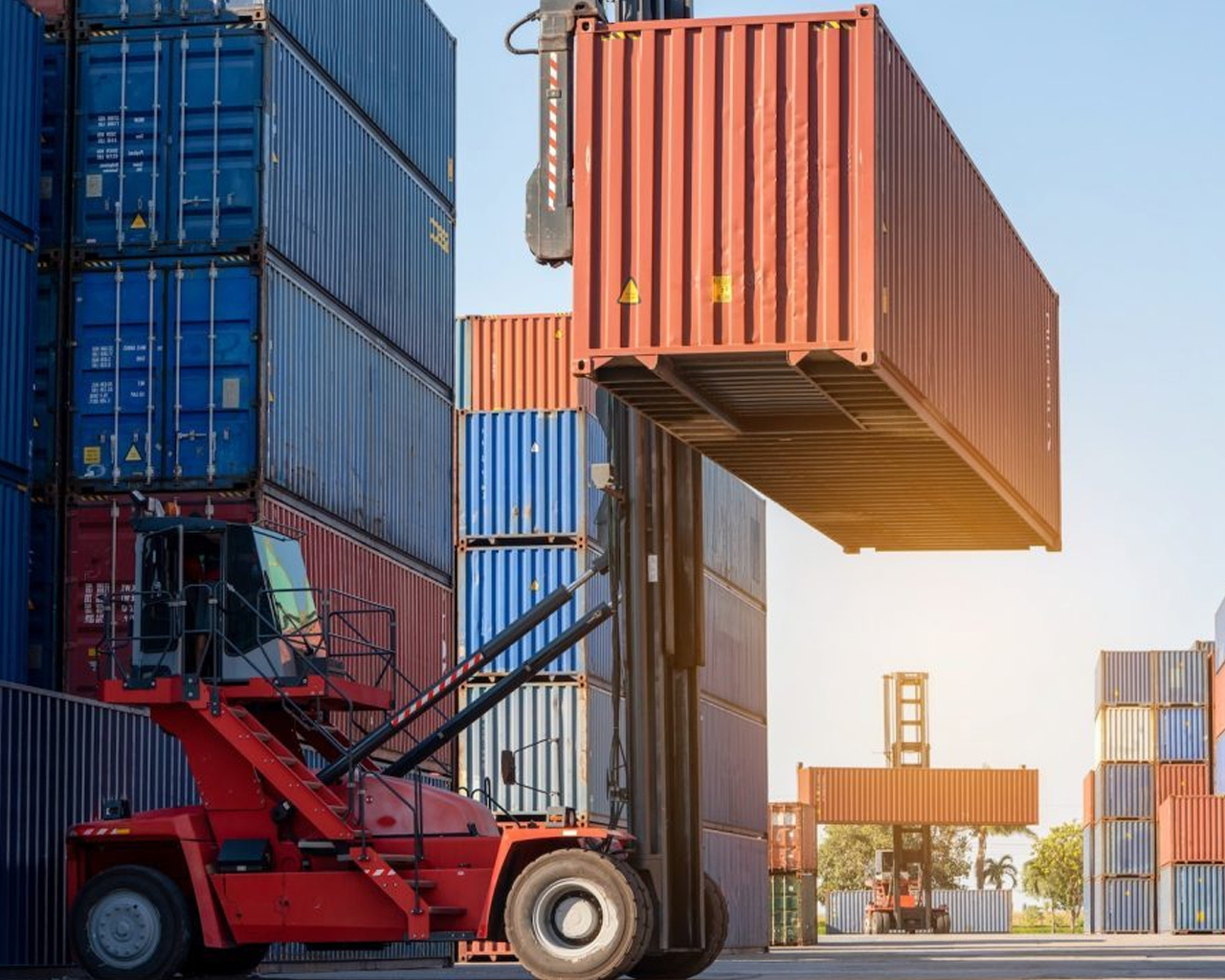
Container management is both a science and an art. At any given terminal, hundreds or thousands of containers may be in various stages of processing simultaneously. Tracking each unit, ensuring it is positioned correctly for loading priority, maintaining accurate records, and coordinating with vessel operators and inland transport providers requires sophisticated systems and experienced professionals.
Poor container management creates a range of costly problems. Misplaced containers lead to urgent searches and delays. Inaccurate documentation triggers customs holds. Poorly sequenced loading extends vessel turnaround times, which has knock-on effects across multiple shipping routes. Effective container management, on the other hand, optimizes the use of terminal space, accelerates throughput, and reduces the margin for error across the entire operation.
For importers and exporters alike, partnering with a logistics provider that has robust container management capabilities means having confidence that your cargo will be handled correctly, tracked accurately, and delivered predictably.
Shipping Efficiency Starts at the Terminal
Many businesses focus their attention on freight rates and transit times when evaluating shipping options. These are important considerations, but they do not tell the complete story. Shipping efficiency is ultimately determined by the performance of every link in the chain, and the terminal is one of the most consequential of those links.
A shipment that is booked at a competitive rate but then sits at a poorly managed terminal for days beyond schedule has not been handled efficiently. Conversely, a logistics provider that maintains strong relationships with port operators, understands terminal workflows, has a track record of smooth cargo processing, and can anticipate and resolve bottlenecks before they become problems delivers genuine shipping efficiency — the kind that businesses can build their operations around.
How Velolog Delivers Expert Terminal Handling in Saudi Arabia
At Velolog, terminal handling services are approached with the same commitment to precision and reliability that defines everything we do. Our team understands the operational rhythms of Saudi Arabia’s major ports, maintains close working relationships with terminal operators, and brings hands-on expertise to every cargo handling assignment.
We manage the documentation, coordinate with customs authorities, oversee container positioning and dispatch, and keep our clients informed at every stage of the process. Whether you are moving a single container or coordinating a complex multi-shipment operation, our goal is the same: to ensure that your cargo is handled efficiently, safely, and in full compliance with all applicable regulations.
As a trusted logistics company serving businesses across Saudi Arabia and the GCC, Velolog understands that terminal handling is not just a cost of doing business — it is an opportunity to gain an edge. When your cargo moves through the terminal without delays, without errors, and without surprise charges, your entire supply chain benefits.
Conclusion
Terminal handling services are the foundation on which international trade is built. In a region as commercially dynamic as Saudi Arabia, where port volumes are growing and business expectations are rising, the quality of port logistics Saudi Arabia directly influences the competitiveness of every company that imports or exports through the Kingdom’s ports. Reliable cargo handling operations, disciplined container management, and a commitment to shipping efficiency are not optional extras — they are essential requirements for businesses that want to grow and succeed in the global marketplace.
Ready to streamline your terminal handling operations in Saudi Arabia? Contact Velolog today and let our experts manage your cargo with precision, speed, and reliability. Get in touch with us and experience logistics done right.