










Saudi Arabia has emerged as one of the most dynamic trade destinations in the Middle East, driven by Vision 2030 and a rapidly growing consumer market. Whether you are a new entrant or an established international business, navigating the Saudi import landscape requires careful planning, regulatory knowledge, and reliable logistics shipping support. Getting it wrong can mean costly delays, fines, or shipment rejections at the border. Getting it right opens the door to one of the region’s most lucrative economies.
Here is what every business should understand before importing goods into the Kingdom.
1. Understand Saudi Import Regulations Before You Ship
The foundation of a smooth import operation is a thorough understanding of Saudi import regulations. Saudi Arabia’s General Authority of Zakat, Tax and Customs (ZATCA) governs all inbound trade, and compliance is non-negotiable.
Before dispatching your goods, every business must be aware of the following regulatory requirements:
- Import Licence: All importers must hold a valid commercial registration (CR) issued by the Ministry of Commerce. Foreign businesses without a Saudi entity typically must work through a licensed local agent or partner.
- Prohibited and Restricted Goods: Saudi Arabia strictly bans the import of alcohol, pork products, narcotics, certain chemicals, and materials deemed contrary to Islamic values. Restricted goods — such as pharmaceuticals, food items, medical devices, and electronics — require additional approvals from relevant government bodies like SFDA (Saudi Food and Drug Authority) or CITC.
- Halal Certification: All food and beverage products must carry valid halal certification from an accredited body recognized by Saudi authorities.
- Product Standards: Goods must comply with the standards set by the Saudi Standards, Metrology and Quality Organization (SASO), including SASO conformity certificates and energy efficiency labels for applicable products.
Partnering early with an experienced cargo logistics company familiar with Saudi regulations can help you avoid surprises at the port.
2. Master the Customs Process in Saudi Arabia
The customs process in Saudi Arabia has been significantly modernized in recent years, with digital systems streamlining clearance. However, it still demands precision and advance preparation.
Here is a step-by-step overview of how the customs process typically works:
- Pre-Arrival Declaration: Importers or their agents must submit an advance cargo declaration through the ZATCA Customs portal (Fasah) before the shipment arrives.
- Customs Entry Filing: A formal customs declaration (bill of entry) must be filed, detailing the nature, quantity, value, and origin of goods.
- Tariff Classification: Goods are classified under the GCC Common Customs Law using the Harmonized System (HS) codes. Correct classification directly determines the applicable customs duty rate.
- Customs Inspection: ZATCA may conduct physical or documentary inspections. High-risk consignments, first-time importers, or goods requiring regulatory approvals are more likely to be selected for inspection.
- Duty Payment and Release: Once duties and applicable taxes (including 15% VAT on most goods) are assessed and paid, goods are released for onward delivery.
Delays at this stage are most commonly caused by incomplete documentation or incorrect HS code declarations. Working with a trusted cargo logistics company that knows the customs process inside out makes a substantial difference.
3. Get Your Freight Documentation Right
Nothing stalls a shipment faster than missing or incorrect paperwork. Saudi Arabia has strict freight documentation requirements, and any discrepancy between documents and actual cargo can trigger holds, inspections, or outright rejection.
The essential freight documentation required for importing into Saudi Arabia includes:
- Commercial Invoice: Must clearly state the seller and buyer details, description of goods, unit price, total value, currency, and country of origin. It must be attested by the Chamber of Commerce and, in some cases, legalized by the Saudi Embassy.
- Packing List: A detailed breakdown of the contents of each package, including weights and dimensions.
- Bill of Lading (for sea freight) or Airway Bill (for air freight): Issued by the carrier and serves as the contract of carriage and receipt of goods.
- Certificate of Origin: Required for most shipments to determine eligibility for preferential duty rates under free trade agreements (e.g., the GCC-Singapore FTA or Arab League agreements). Must be certified by the relevant Chamber of Commerce.
- SASO Certificate of Conformity (CoC): Mandatory for regulated product categories such as electronics, building materials, toys, and vehicles.
- Halal Certificate: Required for all food, beverage, and cosmetic products.
- Import Permit or NOC: Needed for controlled items such as medicines, chemicals, telecommunications equipment, and weapons.
A reliable logistics shipping partner will help you compile and verify these documents well before the shipment departs, reducing the risk of costly errors.
4. Choose the Right Mode of Shipping
Saudi Arabia is well-served by multiple logistics corridors. The right choice of shipping mode depends on your cargo type, urgency, and budget.
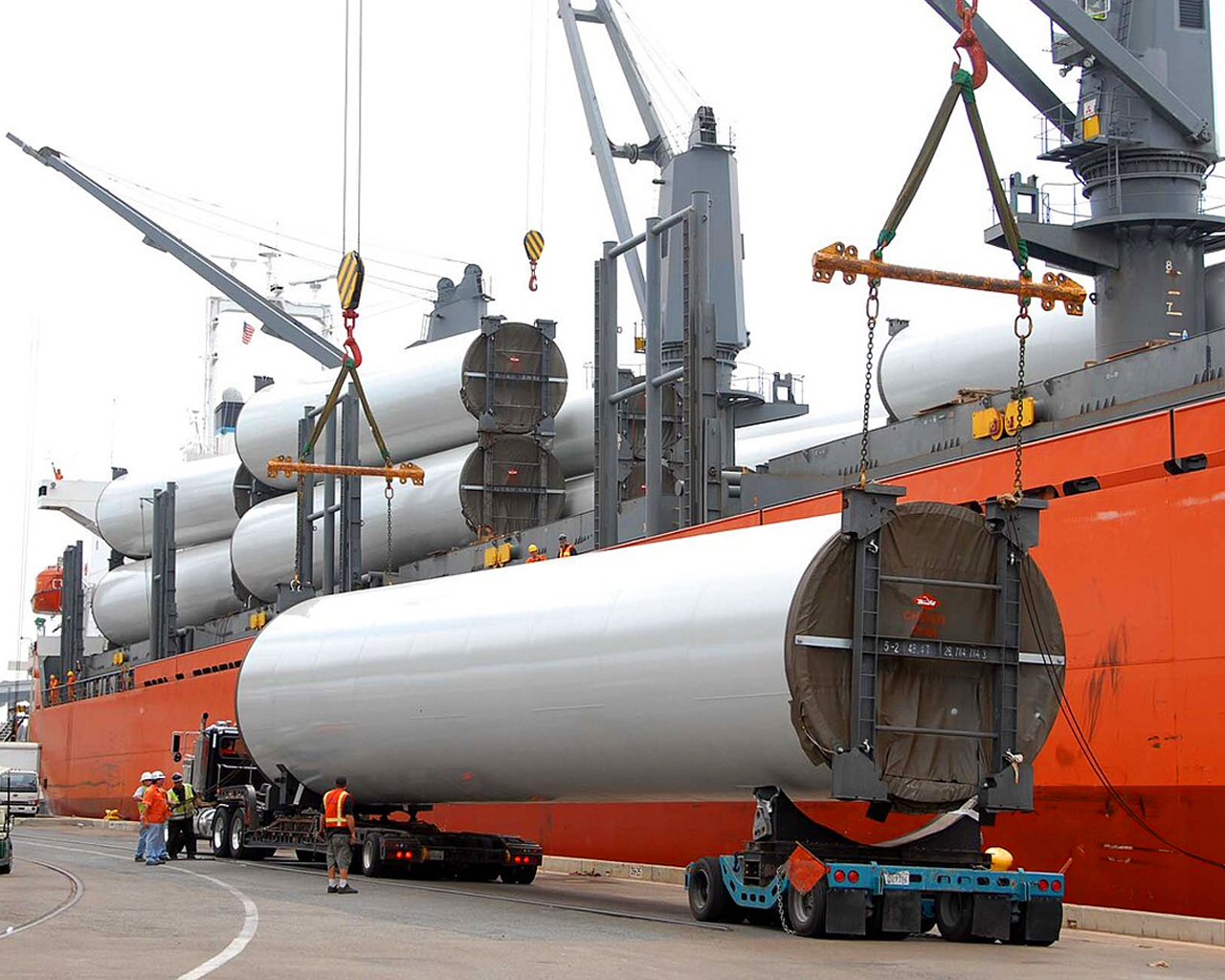
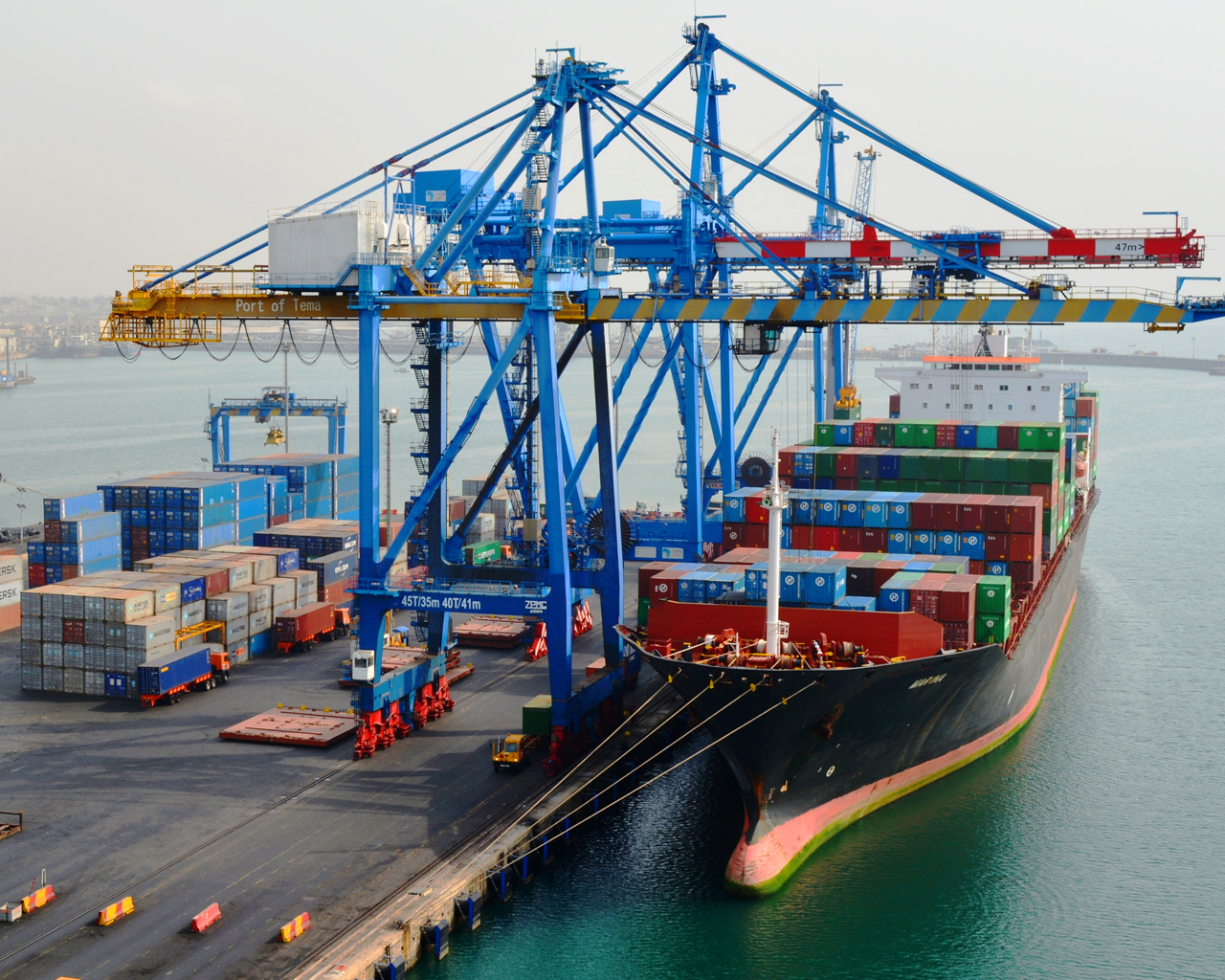
- Sea Freight: Ideal for large-volume or heavy cargo. Saudi Arabia’s main ports — King Abdulaziz Port in Dammam, Jeddah Islamic Port, and King Fahd Industrial Port in Jubail — handle millions of TEUs annually. Sea freight is cost-effective but takes longer, making advance planning essential.
- Air Freight: Best suited for time-sensitive, high-value, or perishable goods. King Khalid International Airport in Riyadh and King Abdulaziz International Airport in Jeddah are the primary air cargo hubs.
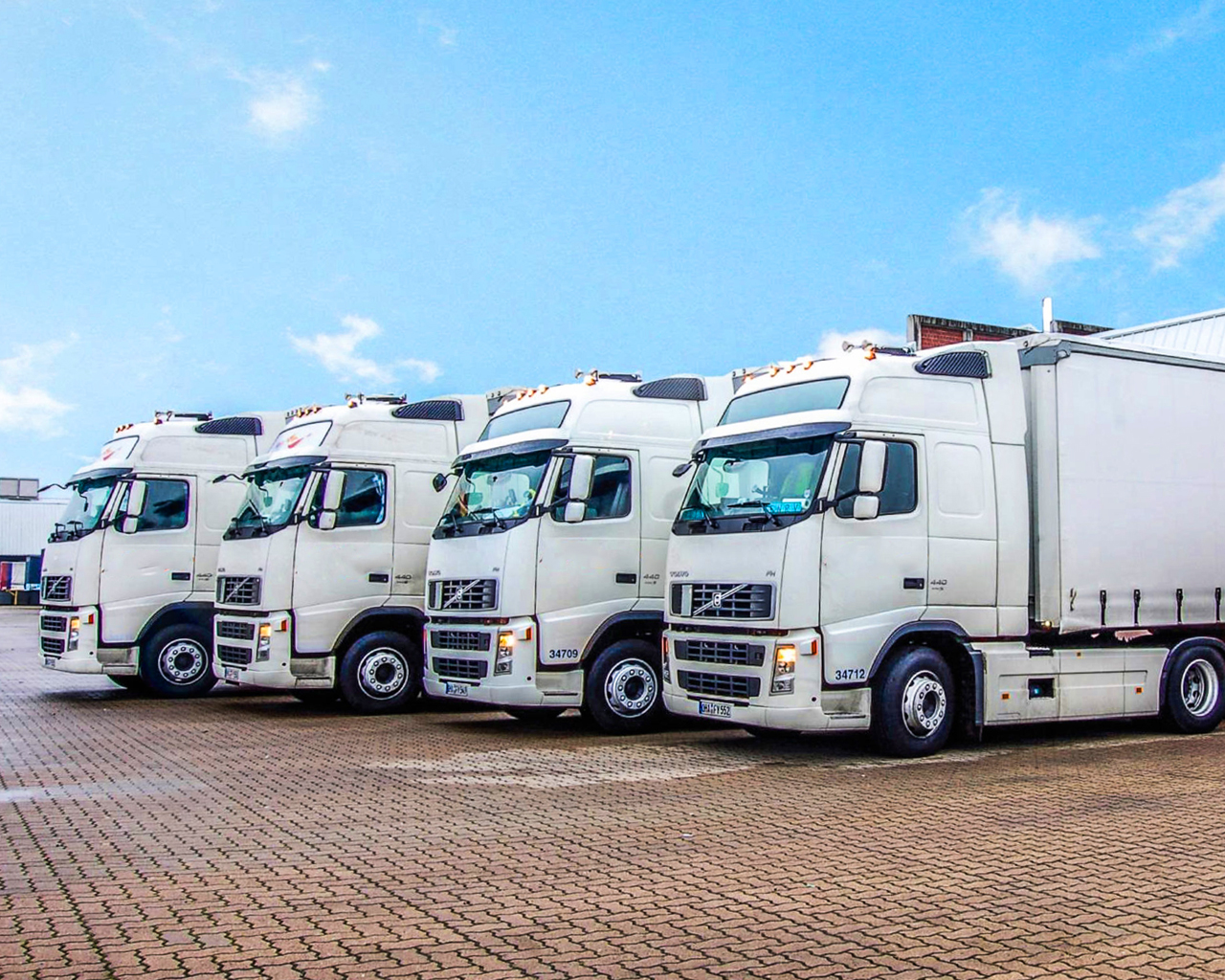
- Road Freight: For businesses importing from neighbouring GCC countries or through land borders, road transportation via the GCC highway network offers flexibility and speed for cross-border shipments.
An experienced cargo logistics company will evaluate your specific requirements and recommend the most efficient shipping route and mode.
5. Plan for VAT and Customs Duties
Saudi Arabia applies customs duties ranging from 0% to 20% depending on the product category, with a standard rate of 5% for most goods. On top of this, VAT at 15% applies to the customs value plus duty. Businesses must register for VAT with ZATCA if their taxable supplies exceed the mandatory registration threshold.
Accurate duty and tax planning before shipment helps you price your goods correctly, manage cash flow, and avoid unexpected landed costs.
6. Work With a Reliable Cargo Logistics Company
The complexities of Saudi import regulations, customs requirements, and freight documentation make it essential to work with a capable logistics partner. A professional cargo logistics company does far more than move goods from point A to point B — it acts as your operational backbone in the Kingdom.
Look for a logistics partner that offers:
- End-to-end logistics shipping solutions including sea, air, and road freight
- Customs clearance expertise and regulatory compliance support
- Real-time cargo tracking and transparent communication
- Warehousing and last-mile distribution within Saudi Arabia
- A proven track record of handling both general and specialised cargo
Final Thoughts
Importing goods into Saudi Arabia presents tremendous opportunities for businesses ready to invest in preparation and compliance. Understanding Saudi import regulations, mastering the customs process, and getting your freight documentation right are not optional extras — they are the building blocks of a successful import operation.
At Velolog, we are a trusted cargo logistics company based in Dammam, dedicated to making your logistics shipping experience into Saudi Arabia seamless, compliant, and efficient. From customs clearance to door-to-door delivery, our team handles the details so you can focus on growing your business.
Ready to import into Saudi Arabia? Contact Velolog today and let us move your goods — across miles, beyond limits.