





Saudi Arabia’s economy is moving fast, and so is its warehousing sector. Driven by Vision 2030 initiatives, a booming e-commerce landscape, and unprecedented infrastructure investment, the warehousing trends in Saudi Arabia are reshaping how businesses store, manage, and move goods across the Kingdom. Whether you are a retailer, manufacturer, importer, or distributor, understanding these shifts is no longer optional — it is essential for staying competitive in 2026 and beyond.
The Rise of Smart Warehousing and Automation
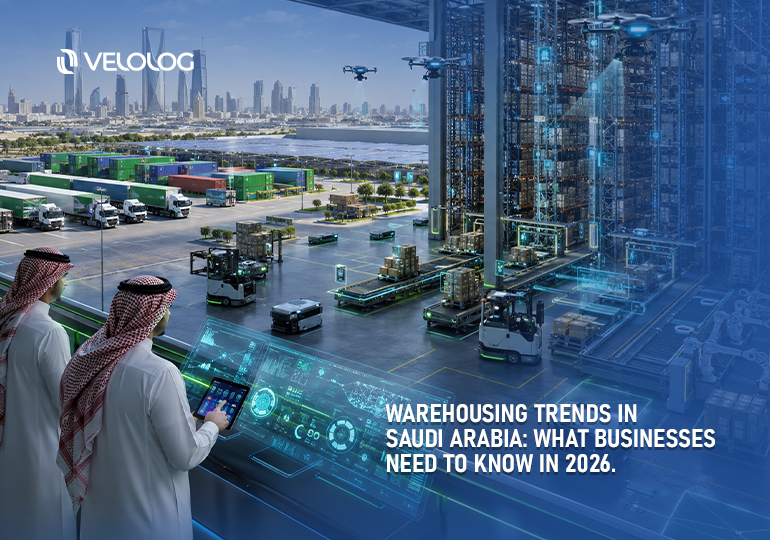
One of the most transformative warehousing trends in Saudi Arabia is the rapid adoption of smart technologies. Businesses are investing heavily in warehouse management systems (WMS), robotic process automation, autonomous guided vehicles (AGVs), and AI-powered inventory tracking. These technologies are reducing human error, accelerating order fulfillment, and cutting operational costs significantly.
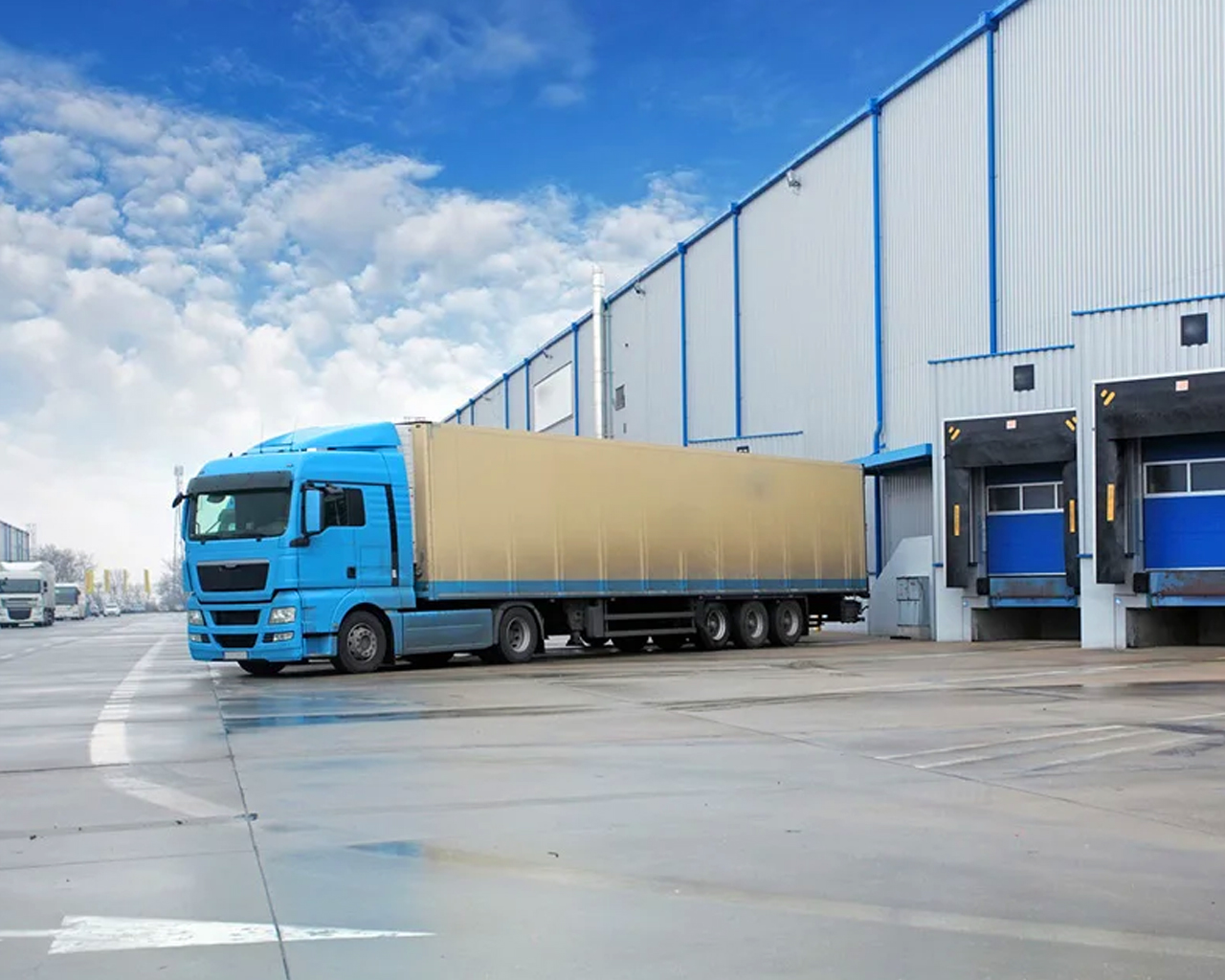
In major logistics hubs like Riyadh, Jeddah, and Dammam, modern fulfillment centres are being built with automation at their core. This shift is not limited to large enterprises — small and mid-sized businesses are increasingly turning to third-party logistics providers who offer technology-enabled Saudi Arabia warehousing and distribution services, allowing them to access these capabilities without the heavy capital investment.
Strategic Location and Mega-Project Demand
Saudi Arabia’s geographic position as a gateway between Europe, Asia, and Africa makes it a natural logistics powerhouse. In 2026, this strategic advantage is being capitalised upon more than ever, with the Kingdom’s giga-projects — NEOM, The Red Sea Project, Diriyah, and others — creating enormous demand for proximity warehousing and last-mile distribution infrastructure.
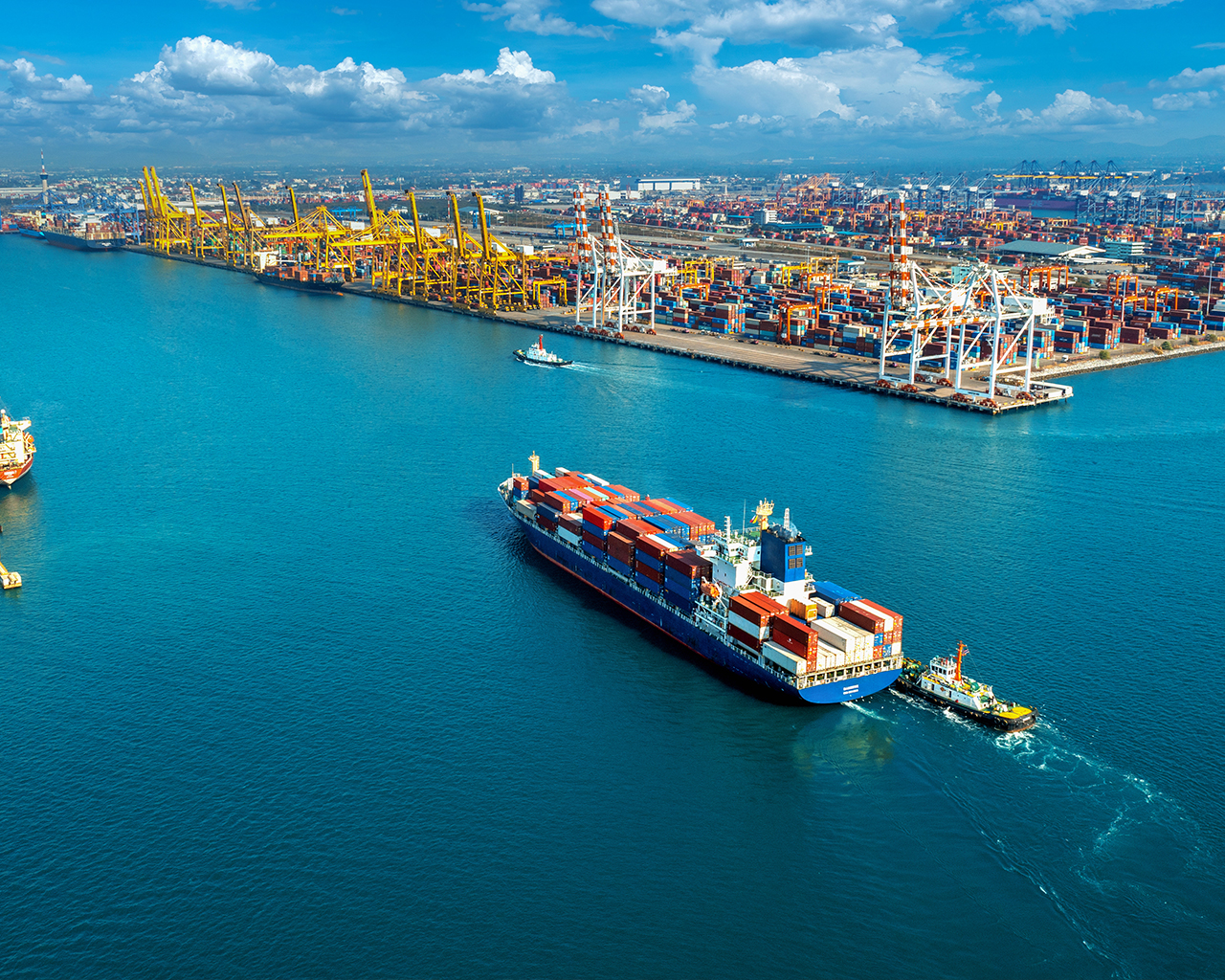
Businesses involved in construction, retail, hospitality, and consumer goods are actively seeking logistics warehousing in Saudi Arabia that is positioned close to these development zones. The demand for bonded warehouses, free zone storage, and purpose-built facilities near King Abdulaziz Port and King Fahd Industrial Port has grown substantially, and providers are racing to meet this requirement.
E-Commerce Growth Is Reshaping Distribution Models
The Saudi e-commerce market has experienced explosive growth over the past few years, and 2026 shows no signs of slowing down. With online retail penetration rising steadily among Saudi consumers, the pressure on Saudi Arabia warehousing and distribution networks has never been higher. Same-day and next-day delivery expectations are pushing logistics providers to establish a wider network of micro-fulfilment centres spread across urban areas.
This evolution is changing the physical footprint of warehousing in the Kingdom. Rather than relying on a single large facility on the outskirts of a city, forward-thinking companies are adopting distributed inventory models — positioning smaller, strategically located stock points that feed into rapid last-mile delivery operations. For businesses still relying on outdated storage models, this trend presents both a challenge and an opportunity to modernise.
Sustainability Is Becoming a Competitive Requirement
Green warehousing is no longer just a corporate responsibility talking point in Saudi Arabia — it is fast becoming a commercial differentiator. Vision 2030’s environmental commitments, combined with increasing pressure from international trade partners, are pushing businesses to adopt sustainable practices within their supply chain and warehousing operations.
In 2026, leading logistics providers across the Kingdom are investing in solar-powered facilities, energy-efficient cooling systems, LED lighting, and waste reduction programmes. Companies that align their supply chain and warehousing trends in Saudi Arabia with sustainability goals are not only reducing their carbon footprint but also positioning themselves more favourably with environmentally conscious clients and government tenders.
Cold Chain Warehousing Is Expanding Rapidly
The growth of Saudi Arabia’s food and pharmaceutical sectors has triggered a significant expansion in temperature-controlled warehousing infrastructure. The Kingdom’s ambitious food security goals and the surge in healthcare investment under Vision 2030 have created strong demand for certified cold storage facilities capable of handling everything from fresh produce to sensitive medical supplies.
Logistics warehousing in Saudi Arabia is responding to this demand with a new generation of cold chain facilities that meet international standards for temperature regulation, humidity control, and traceability. For importers of perishables and pharmaceutical companies distributing across the Kingdom, access to reliable cold chain warehousing is now a critical operational requirement rather than a premium add-on.
The Growing Role of Third-Party Logistics (3PL) Providers
Another significant supply chain and warehousing trend in Saudi Arabia is the shift toward outsourcing. Businesses that once maintained in-house warehousing operations are increasingly recognising the advantages of partnering with experienced 3PL providers who offer flexible space, scalable services, and integrated technology platforms.
This trend is being accelerated by the cost pressures businesses face in a competitive market. Maintaining owned warehouse infrastructure requires significant capital expenditure, skilled manpower, and ongoing technology upgrades. A trusted 3PL partner with established Saudi Arabia warehousing and distribution networks can offer the same — or better — capabilities on a variable cost basis, allowing businesses to scale up or down based on seasonal demand without the burden of fixed overheads.
Regulatory Developments and Customs Integration
Saudi Arabia has made significant strides in streamlining its customs and trade facilitation processes, and this is having a direct impact on how warehousing operates in the Kingdom. The integration of digital customs systems with warehouse management platforms is reducing clearance times, improving inventory accuracy, and enabling faster movement of goods from ports to storage facilities.
Businesses operating in the Kingdom need to stay current with ZATCA (Zakat, Tax and Customs Authority) regulations and ensure that their logistics warehousing partners in Saudi Arabia are fully compliant with bonded warehousing requirements and VAT documentation standards. Non-compliance not only results in costly delays but can also damage supplier and customer relationships.
What This Means for Your Business
The warehousing trends in Saudi Arabia in 2026 point to a sector that is maturing rapidly — becoming more technology-driven, more customer-centric, and more interconnected with national development goals. Businesses that adapt to these trends will find themselves well-positioned to grow in one of the Middle East’s most dynamic economies.
Whether you need a flexible warehousing solution near a major Saudi port, a temperature-controlled facility for sensitive cargo, or a fully integrated Saudi Arabia warehousing and distribution partner who can manage your inventory from arrival to final delivery, the right logistics provider makes all the difference.
At Velolog, we understand the evolving demands of the Saudi logistics landscape. From our base in Dammam, we offer comprehensive warehousing and distribution services designed to help your business keep pace with the Kingdom’s growth. Get in touch with our team today to explore how we can support your supply chain needs.
Get in touch with Velolog today and let’s build a smarter warehousing strategy for your business.