






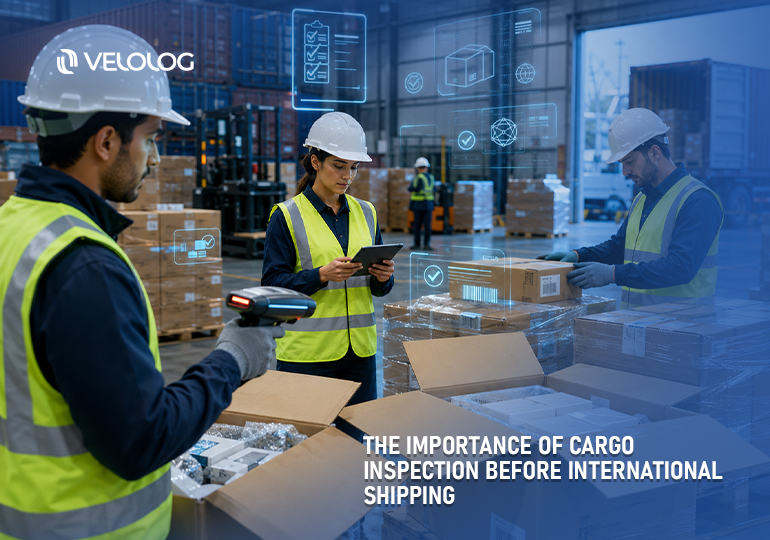
International trade moves on trust. A buyer in Rotterdam or Shanghai has to believe that what leaves a warehouse in Dammam is exactly what arrives at their port, in the condition promised and in full compliance with the law. That trust is not automatic. It is built, shipment after shipment, through careful cargo inspection carried out before goods ever reach the vessel or aircraft. For any logistic company operating across borders, inspection is not a bureaucratic afterthought — it is one of the most important steps in the entire supply chain.
Why Cargo Inspection Matters More Than Ever
Global shipping has grown faster and more complex over the past decade. Goods now cross multiple borders, change hands between several carriers, and pass through numerous customs checkpoints before reaching their final destination. With so many touchpoints, the margin for error has shrunk considerably. A single overlooked defect, a mislabeled package, or an undeclared item can trigger delays, fines, or even the seizure of an entire consignment.
Cargo inspection acts as the checkpoint that catches these issues before they become costly problems. It verifies that the quantity, weight, packaging, and condition of goods match what is stated on the shipping documents. It also confirms that products meet the safety and regulatory standards of both the exporting and importing countries. In short, inspection is the quality gate that protects everyone involved — the shipper, the carrier, the buyer, and the logistic company managing the movement of goods.
Understanding Export Inspection
Export inspection is a specific and formal stage of this process, usually required by government authorities or requested by the buyer before goods leave the country of origin. It typically involves checking that the cargo complies with export regulations, that hazardous or restricted materials are properly declared, and that documentation such as certificates of origin, packing lists, and commercial invoices are accurate and complete.
For businesses shipping out of Saudi Arabia or across the GCC region, export inspection can also involve verifying compliance with destination-country import requirements, which vary widely depending on the product category. Food items, chemicals, machinery, and electronics each carry their own set of standards. Skipping or rushing this step can result in shipments being held at customs, returned to origin, or destroyed, all of which are expensive outcomes that a proper inspection process is designed to prevent.
The Role of a Logistic Company in the Inspection Process
A capable logistic company does far more than arrange transportation. It coordinates the entire chain of custody, and inspection sits at the heart of that responsibility. From the moment cargo is received at a warehouse to the point it is loaded onto a container or aircraft, an experienced logistics team should be checking for damage, verifying packaging integrity, and confirming that goods are secured properly for the mode of transport being used.
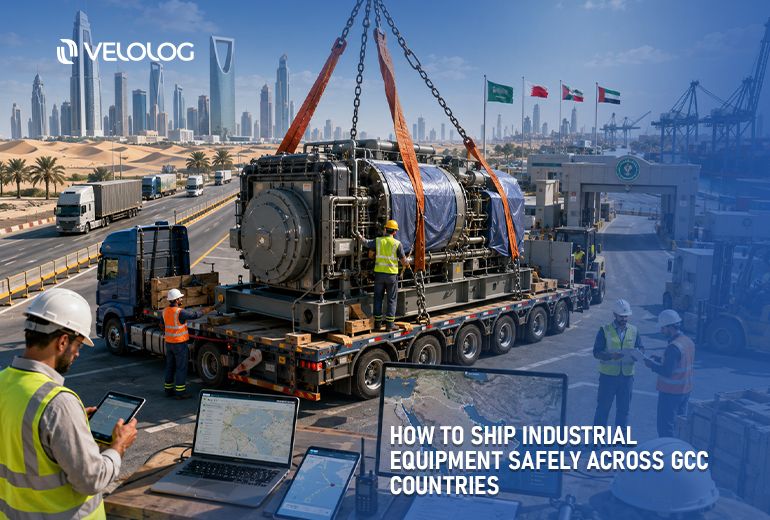
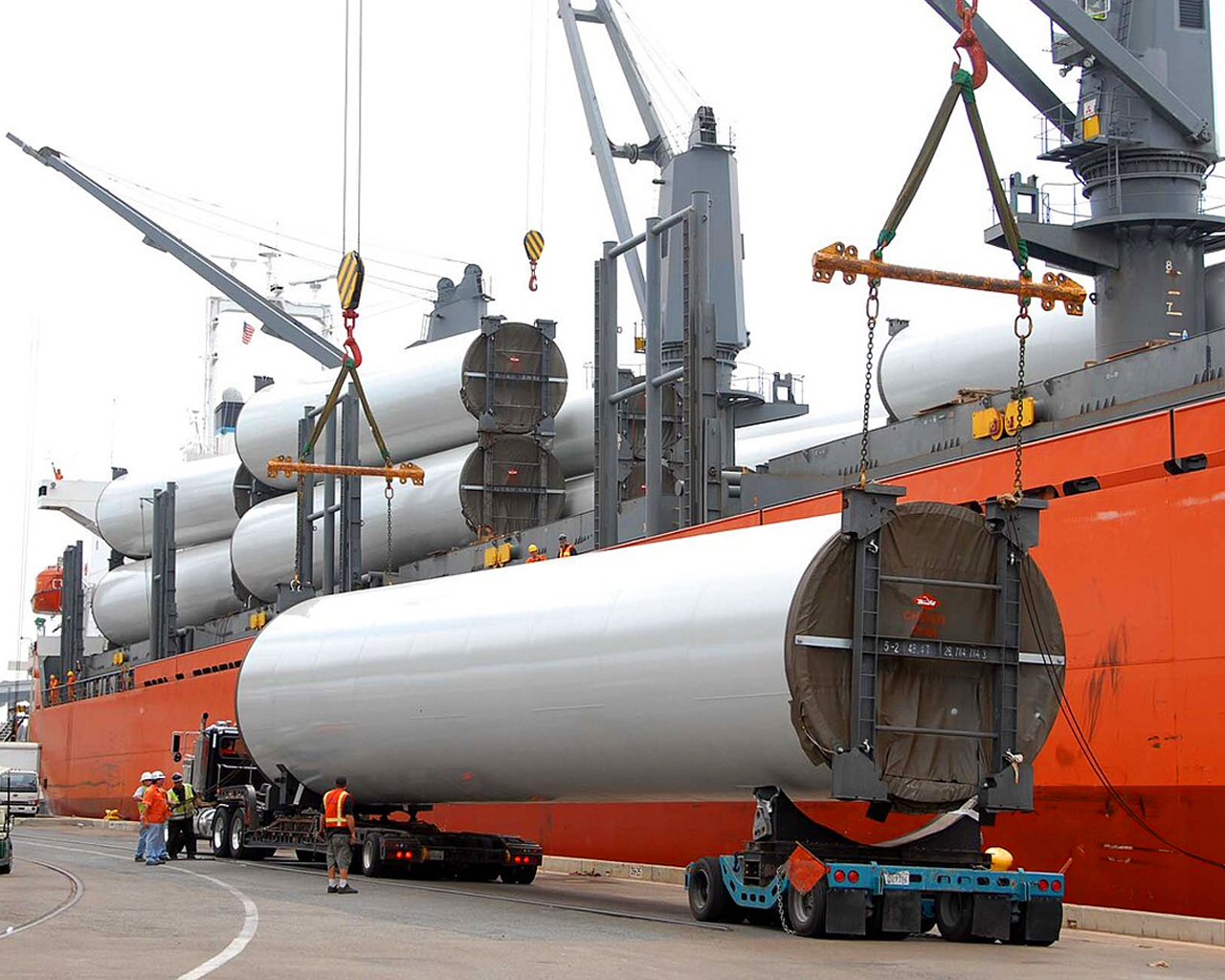
This is particularly important for specialized cargo. Break bulk shipments, project cargo, and heavy machinery all require different handling and packing standards than standard palletized goods. A logistic company familiar with these categories knows what to look for and can flag potential issues long before they turn into claims or disputes. This proactive approach reduces risk for the client and reinforces the reliability of the logistics provider itself.
Protecting Shipment Quality From Origin to Destination
Shipment quality is not something that can be inspected once and forgotten. It has to be maintained across every leg of the journey — from the factory floor, through warehousing, during loading and unloading, and across ocean or air transit. Temperature-sensitive goods, fragile items, and high-value cargo are especially vulnerable to quality degradation if handling standards slip at any stage.
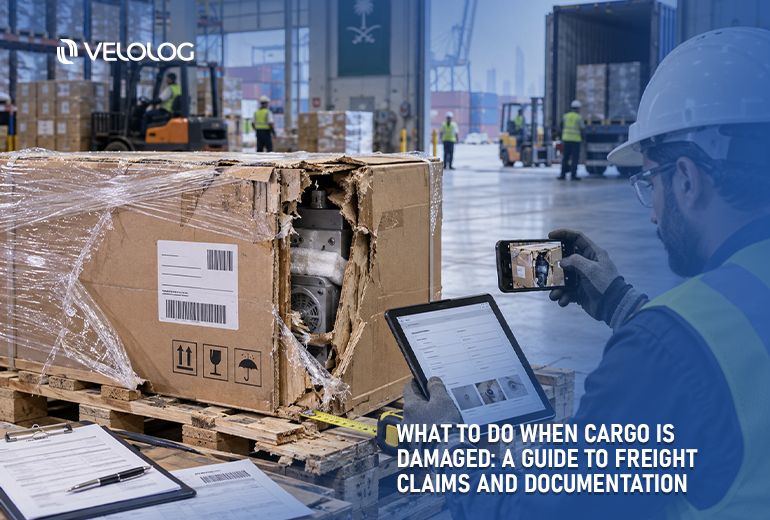
Pre-shipment inspection helps establish a clear baseline. By documenting the condition of goods before departure, with photographs, weight checks, and detailed reports, both the shipper and the logistics provider have a reliable record to refer back to if a dispute arises later. This documentation also supports insurance claims, should damage occur during transit despite best efforts. Maintaining shipment quality is ultimately about protecting the reputation of the exporter as much as it is about protecting the physical goods.
Cargo Safety and Regulatory Compliance
Cargo safety is another critical reason inspection cannot be skipped. Improperly packed or undeclared cargo poses real risks — not only to the goods themselves but to the vessel, aircraft, crew, and other cargo sharing the same space. Dangerous goods regulations exist precisely because a single mistake, such as failing to identify a flammable substance, can endanger an entire shipment or transport vessel.
This is where logistics compliance becomes inseparable from cargo safety. International shipping is governed by a dense web of regulations, including customs codes, dangerous goods classifications, and country-specific import restrictions. A thorough inspection process ensures that cargo is not just packed correctly but also documented and declared in line with these rules. Non-compliance can lead to shipments being detained indefinitely, substantial financial penalties, and long-term damage to a company’s standing with customs authorities.
Working with a logistics partner that understands customs clearance procedures, as well as the specific compliance requirements of different regions such as the GCC, Europe, or Asia, significantly reduces this risk. Compliance is rarely a one-time checklist; it requires ongoing attention as regulations shift and new trade agreements come into effect.
Building Long-Term Trust Through Consistent Inspection
The businesses that succeed in international trade are rarely the ones that simply move the most cargo. They are the ones that consistently deliver what they promise. Every inspected shipment that arrives intact, on time, and fully compliant strengthens the relationship between exporter, logistics provider, and buyer. Over time, this consistency becomes a competitive advantage, opening doors to larger contracts and long-term partnerships.
Cargo inspection, export inspection, shipment quality checks, and logistics compliance all work together as parts of the same discipline. None of them function well in isolation. A logistic company that treats inspection as a core service rather than a formality gives its clients something far more valuable than transportation alone — it gives them confidence that their goods, and their business relationships, are in safe hands.
Final Thoughts
International shipping will always carry a degree of complexity, but much of the risk within it can be managed through disciplined, thorough cargo inspection. From verifying export documentation to maintaining shipment quality and ensuring cargo safety at every stage, inspection is the foundation on which reliable global trade is built. Partnering with a logistic company that prioritizes these checks is one of the most effective ways businesses can protect their goods, their compliance standing, and their reputation in international markets.
Ship With Confidence — Talk to Velolog Today
Every shipment deserves the same level of care, precision and compliance discussed above. At Velolog, our team inspects, packs, and handles your cargo at every stage of its journey from export documentation to final delivery so you never have to worry about quality, safety or compliance issues along the way.
Whether you’re moving air freight, sea freight, project cargo, or heavy machinery, our logistics experts are ready to build a shipping plan that protects your goods and your business.