





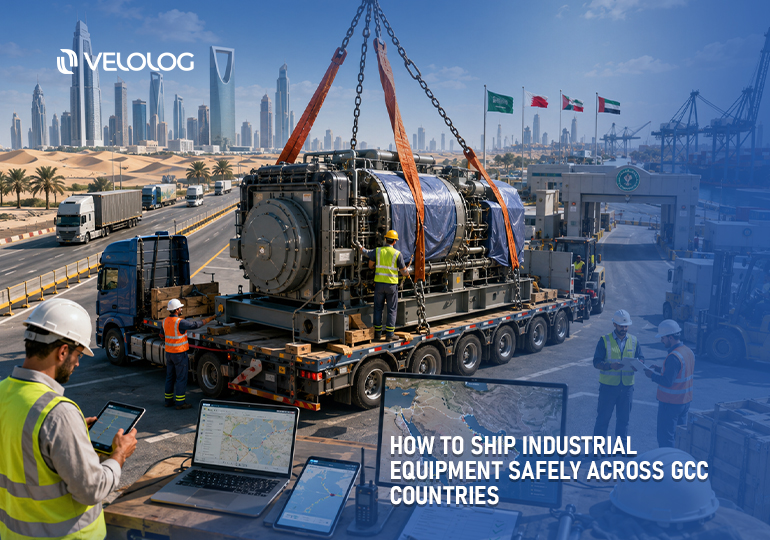
Moving heavy machinery, generators, or plant equipment across the Gulf isn’t like shipping a standard container. One wrong move in planning, packing, or documentation, and a project timeline can slip by weeks. That’s why industrial equipment transport across the region demands a level of precision that goes far beyond ordinary freight handling. Whether you’re relocating a production line from Riyadh to Dubai or moving turbines from a port in Dammam to a site in Doha, safety and compliance need to be built into every stage of the journey.
This guide walks through what it actually takes to move industrial equipment safely and efficiently across GCC borders, and why the right logistics partner makes all the difference.
Why Industrial Equipment Transport Is a Different Game
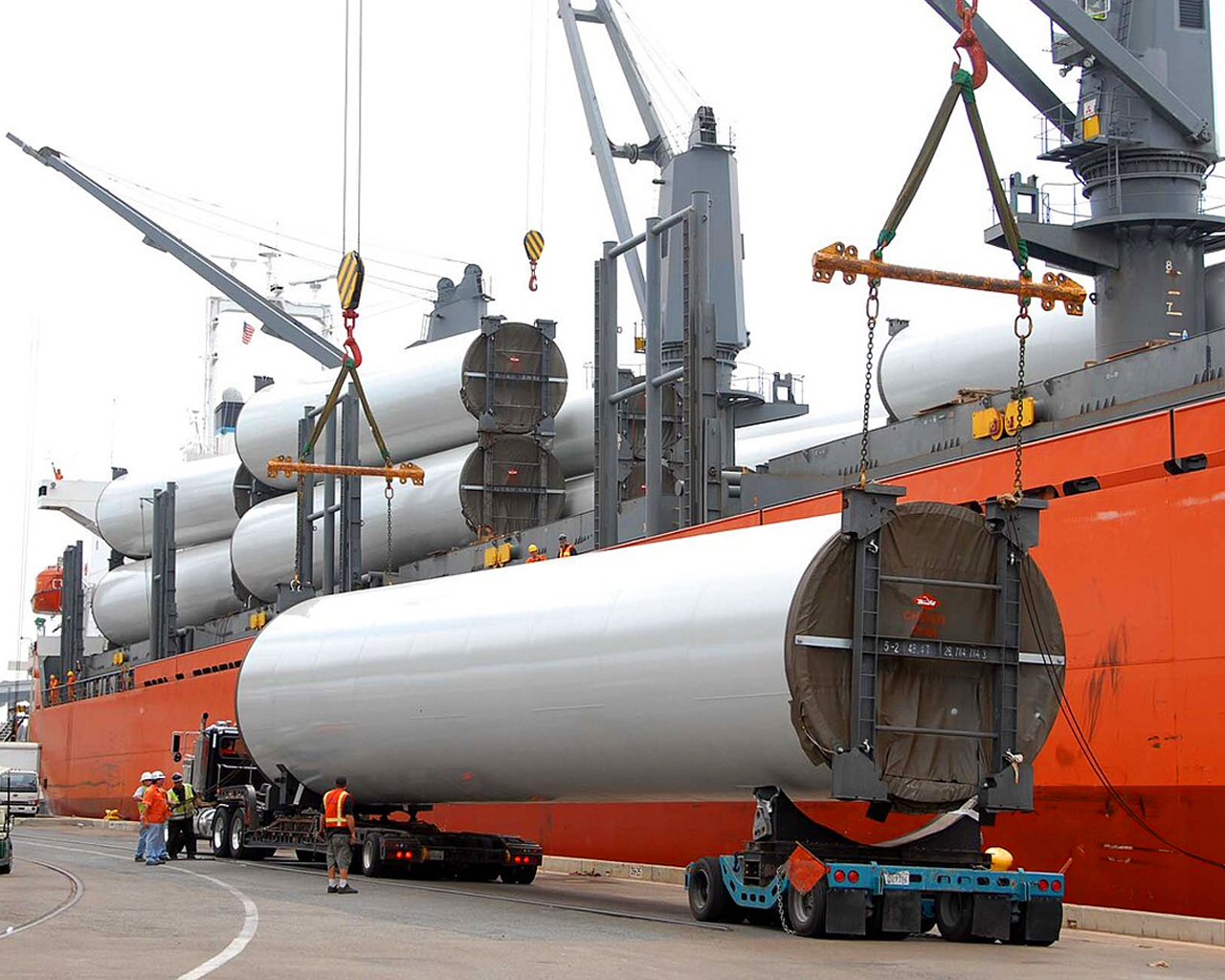
Unlike palletized or containerized cargo, industrial equipment is often oversized, irregularly shaped, and extremely sensitive to vibration, tilt, or moisture. A single crane component, compressor skid, or transformer can weigh several tonnes and require specialized lifting, cribbing, and securing methods. Add to that the fact that GCC countries each have their own transport regulations, road permits, and customs procedures, and it becomes clear why generic freight solutions fall short.
Successful GCC logistics for industrial cargo depends on coordinating multiple moving parts: route surveys, permits, escort vehicles, port handling, and last-mile delivery, all while keeping the equipment intact and on schedule.
Step 1: Start With a Detailed Cargo Assessment
Before any equipment leaves the factory or warehouse, a proper assessment needs to be carried out. This includes measuring exact dimensions, confirming weight distribution, identifying fragile or pressure-sensitive components, and reviewing the manufacturer’s handling guidelines. This step determines whether the shipment qualifies as oversized transport, what kind of trailer or vessel is needed, and which route restrictions may apply.
Skipping this stage is one of the most common causes of delays and damage. A thorough assessment early on saves significant time, cost, and risk later in the process.
Step 2: Choose the Right Mode and Equipment
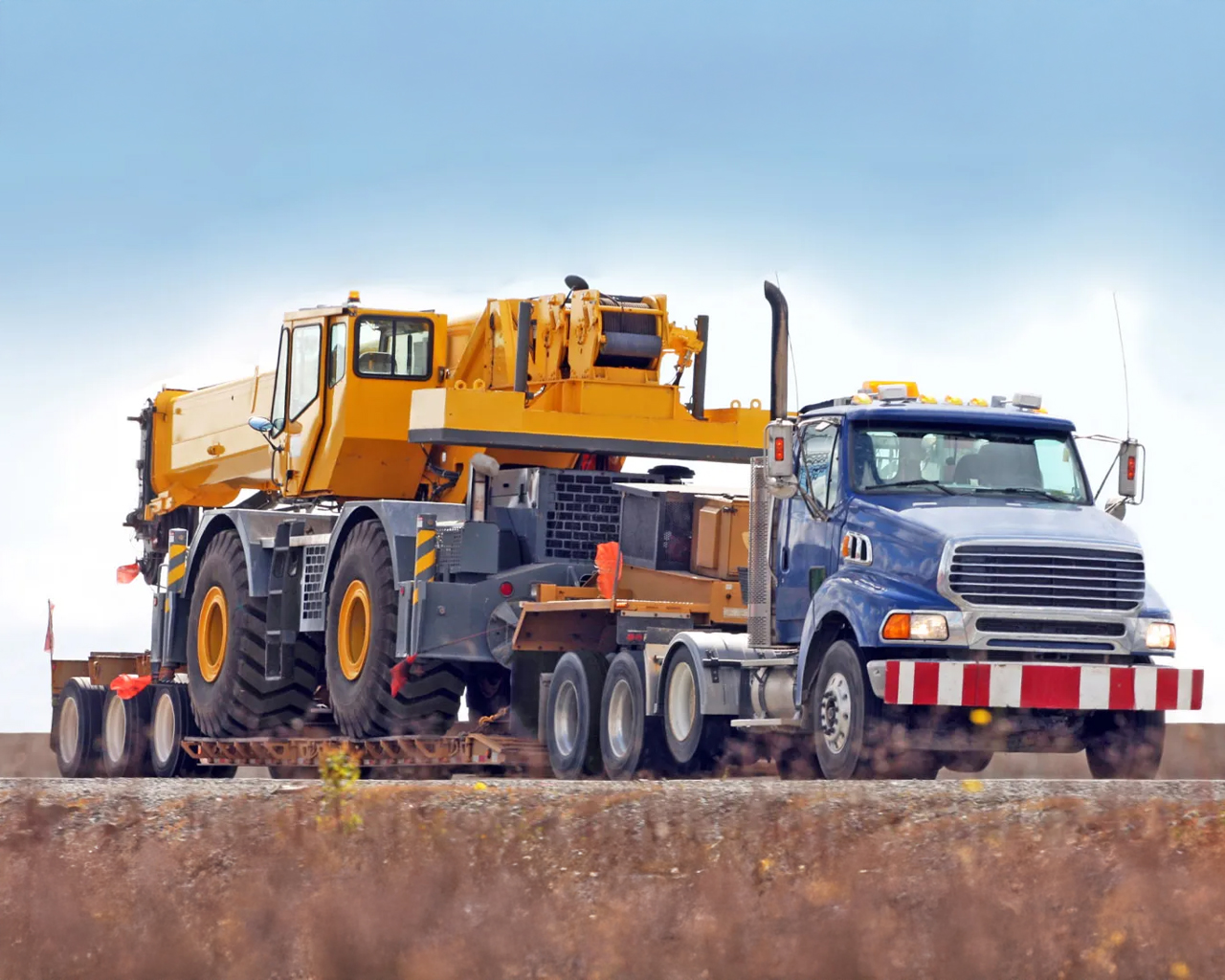
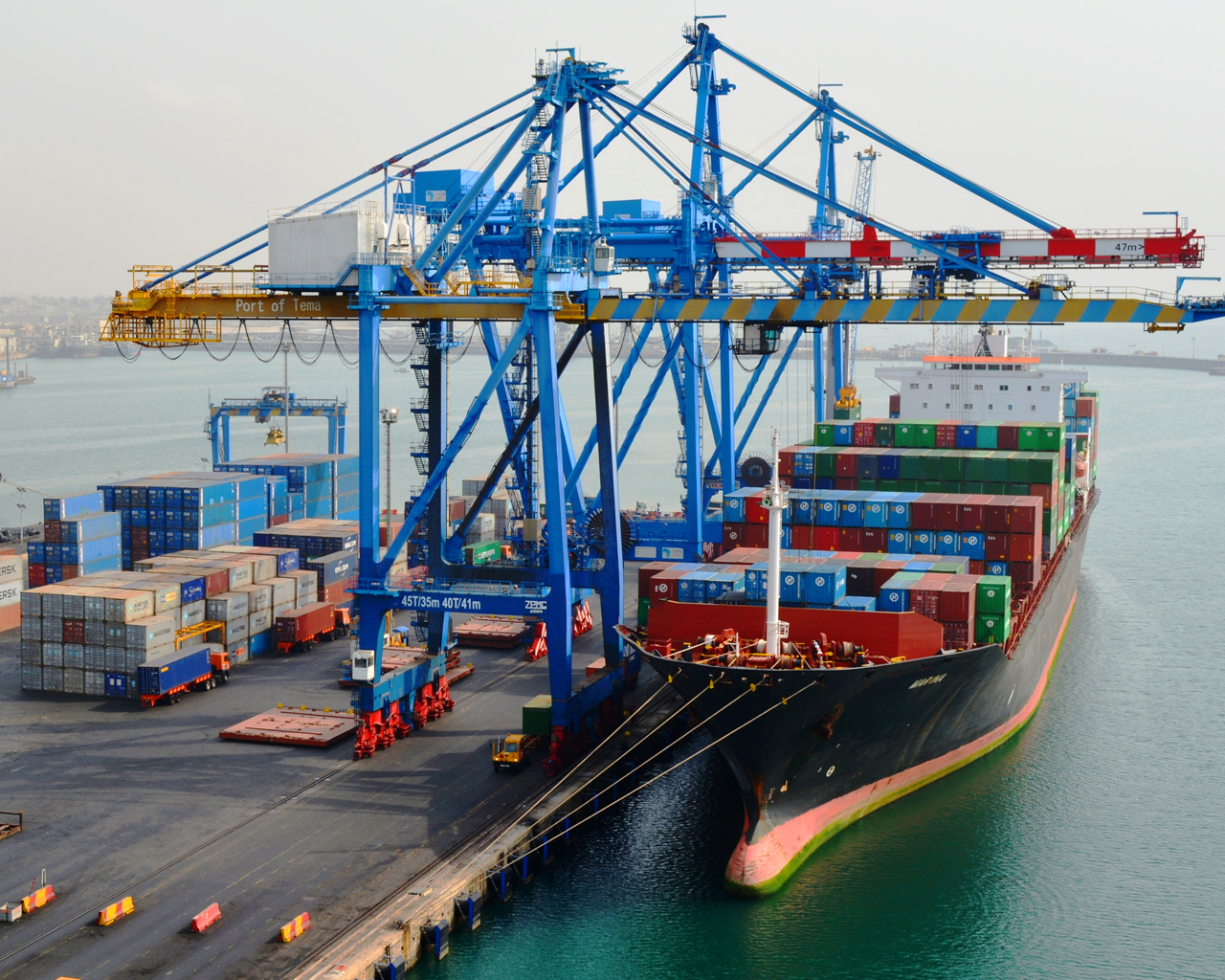
Depending on the size, weight, and destination of the cargo, shipments may move by road, sea, or a combination of both. For heavy cargo shipping within the GCC, low-bed trailers, modular trailers, and flatbeds are commonly used for road transport, while breakbulk vessels handle larger loads moving between ports.
Choosing the correct equipment isn’t just about capacity. It’s about matching the trailer or vessel configuration to the cargo’s center of gravity, load-bearing points, and stability requirements. Poorly matched equipment increases the risk of shifting, tipping, or structural stress during transit.
Step 3: Secure Permits and Regulatory Approvals
Each GCC country has its own rules around oversized or overweight loads, including permitted travel hours, escort vehicle requirements, and route approvals from road authorities. Cross-border shipments also require coordination with customs at every checkpoint, along with accurate documentation covering value, origin, and end-use of the equipment.
Missing or incorrect paperwork is one of the biggest reasons industrial shipments get held up at borders. Partnering with a logistics provider that understands regional customs clearance procedures ensures permits and approvals are secured well in advance, not scrambled together at the last minute.
Step 4: Plan the Route Carefully
Route planning for industrial equipment isn’t as simple as picking the shortest path. Bridges, tunnels, overhead lines, and urban roads all impose height, width, and weight restrictions that standard vehicles never encounter. A proper route survey identifies potential obstacles ahead of time and maps out alternative paths where needed.
This is especially critical for project logistics, where multiple pieces of equipment need to arrive at a construction or industrial site in a coordinated sequence. A delay in one shipment can stall an entire project phase, so route reliability directly affects overall project timelines.
Step 5: Use Proper Packing and Securing Methods
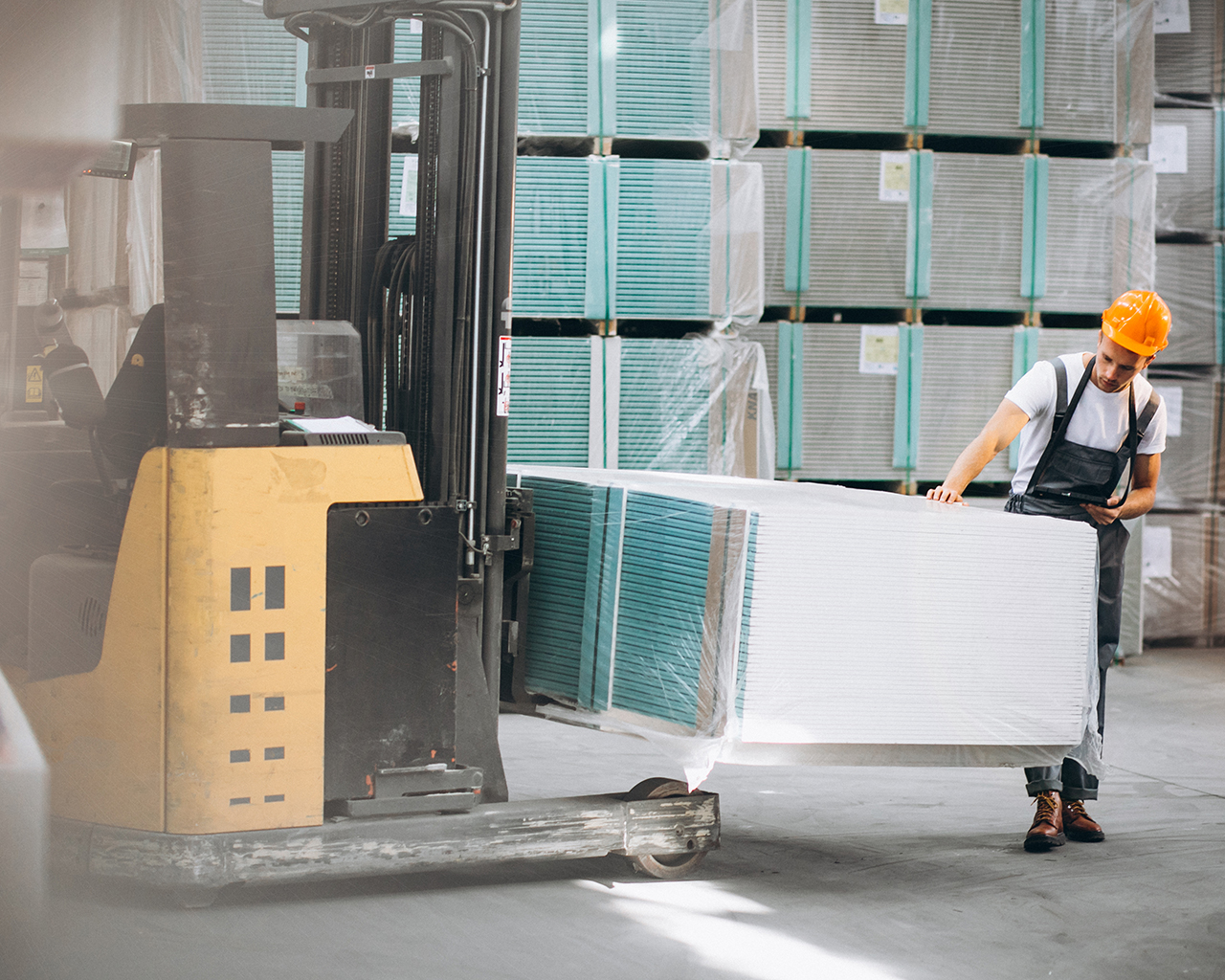
Even with the right vehicle and route, equipment can still be damaged if it isn’t packed and secured correctly. Industrial packing involves custom crating, moisture barriers, corrosion protection, and shock-absorbing materials tailored to each piece of equipment. Once loaded, cargo must be lashed, chained, or braced according to load-securing standards to prevent movement during transit.
For sensitive components like electrical panels or precision machinery, additional measures such as tilt indicators and vibration monitors can provide an extra layer of protection and accountability throughout the journey.
Step 6: Monitor and Communicate Throughout the Journey
Real-time tracking and consistent communication are essential for shipments moving across multiple countries. Knowing exactly where a shipment is, whether it has cleared customs, and when it’s expected to arrive allows project teams to plan around it rather than being caught off guard by delays.
A logistics partner with strong regional coverage and 24/7 support can flag issues early, whether it’s a route closure, a documentation query, or a weather delay, and adjust plans before they become costly problems.
Step 7: Rely on Experienced Project Logistics Partners
Industrial equipment transport across the GCC involves too many variables to manage piecemeal. From initial cargo assessment to final site delivery, having a single, experienced partner coordinate the entire process reduces risk, saves time, and keeps costs predictable. Experienced providers bring established relationships with port authorities, customs offices, and road transport regulators across the region, which translates into fewer surprises and smoother execution.
Final Thoughts
Shipping industrial equipment across GCC countries safely comes down to careful planning, the right equipment, proper documentation, and a logistics partner who understands the region inside and out. Every stage, from assessment to final delivery, plays a role in protecting your cargo and your project timeline.
At Velolog, we specialize in heavy transportation, project cargo, and GCC transportation solutions built around the specific demands of industrial shipments. Our team handles everything from route surveys and permits to secure packing and real-time tracking, so your equipment arrives safely, on time, and ready to perform.
Ready to move your industrial equipment across the GCC? Contact Velolog today to discuss your project logistics needs.