






In today’s fast-moving supply chain environment, choosing the right freight transportation method can significantly impact your operational efficiency, delivery timelines, and overall logistics costs. Whether you’re shipping products across Saudi Arabia, the GCC, or international markets, understanding the difference between Full Truckload (FTL) and Less Than Truckload (LTL) shipping is essential.
Many businesses struggle to determine which option best fits their shipping requirements. The choice often depends on factors such as shipment volume, delivery urgency, budget, and cargo type. In this guide, we’ll compare FTL vs LTL Shipping and help you decide which solution aligns with your business goals.
Understanding FTL Shipping
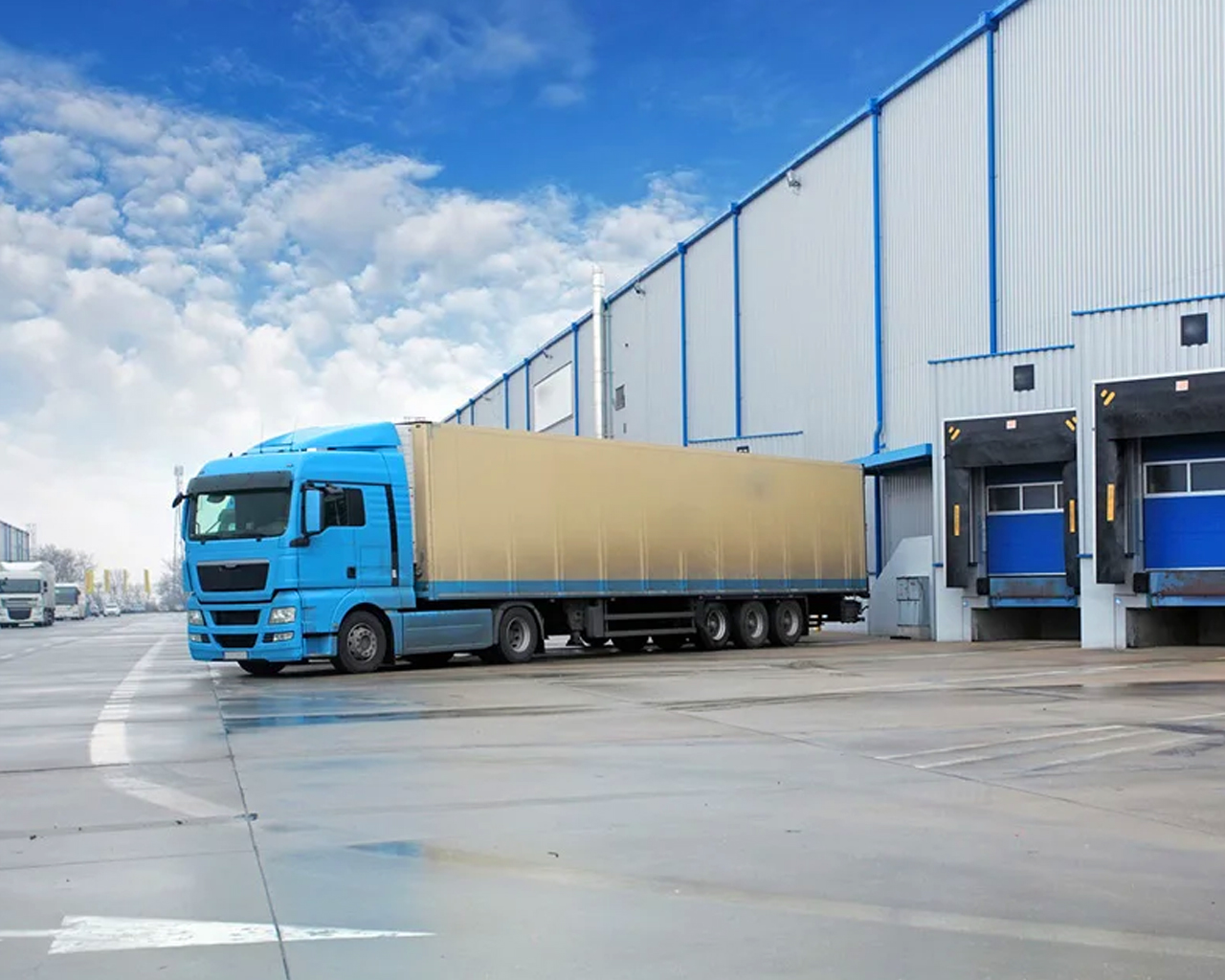
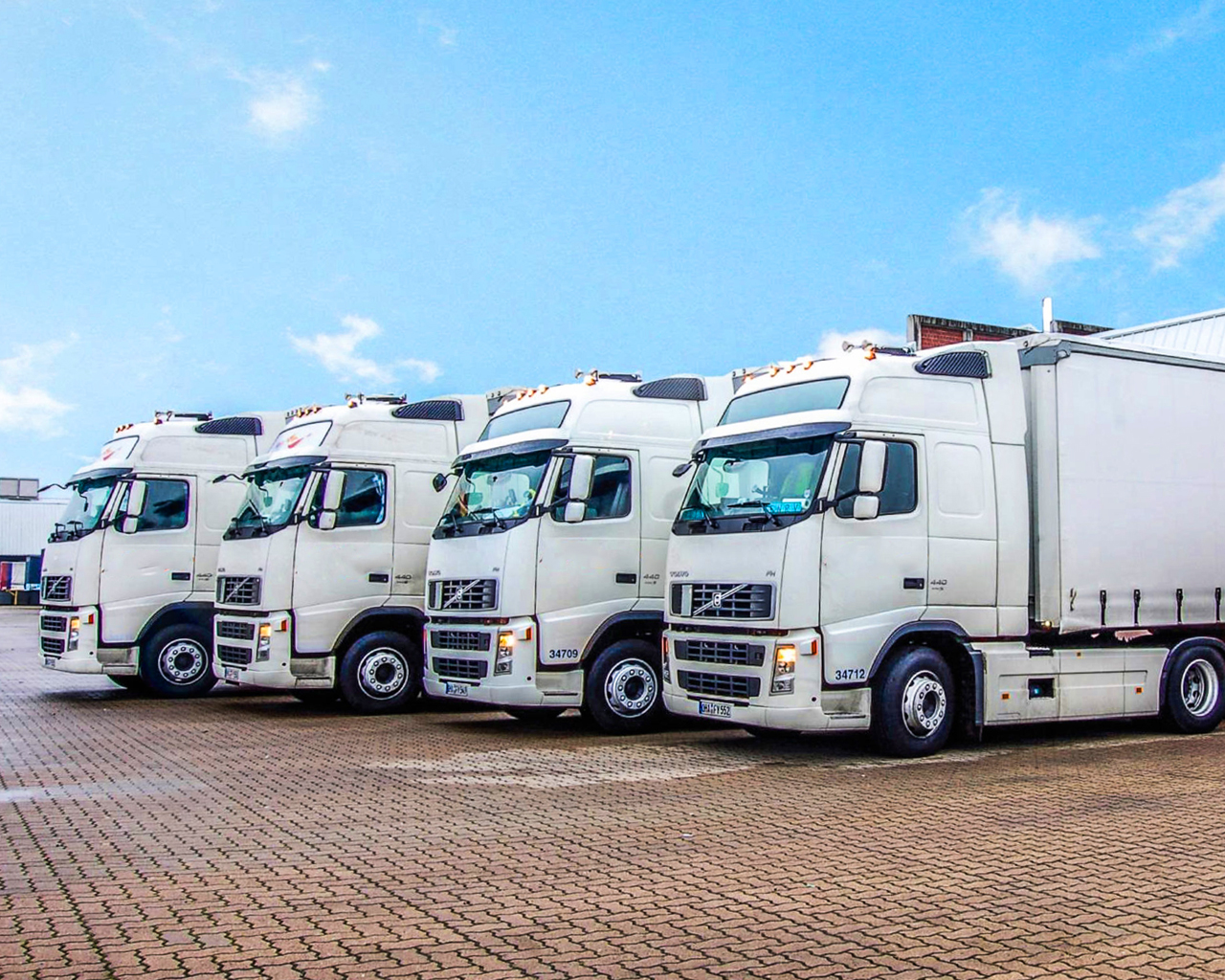
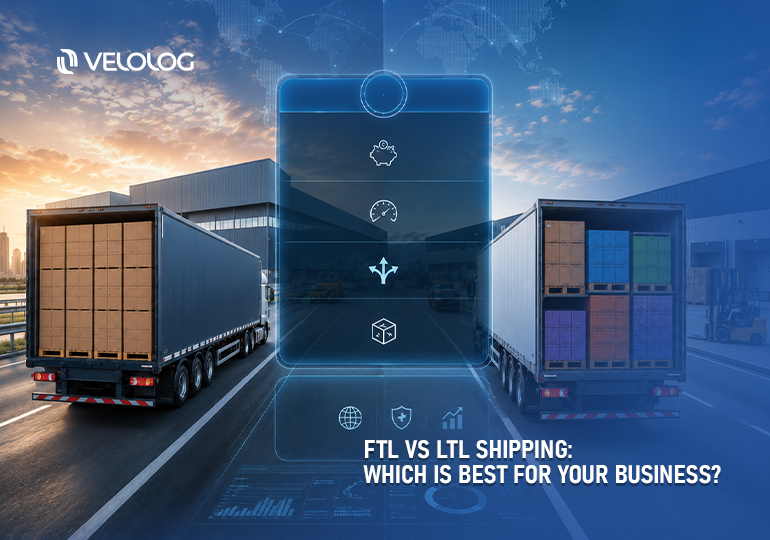
Full Truckload (FTL) shipping refers to a freight transportation method where an entire truck is dedicated to a single shipment. Even if the cargo does not completely fill the truck, the vehicle is reserved exclusively for one customer.
FTL Freight Services are commonly used by businesses that transport large quantities of goods, high-value products, or time-sensitive shipments. Since the truck moves directly from the pickup location to the destination without multiple stops, transit times are generally faster and more predictable.
FTL shipping is particularly beneficial for manufacturers, wholesalers, retailers, and businesses with consistent high-volume freight requirements.
Understanding LTL Shipping
Less Than Truckload (LTL) shipping is designed for businesses that do not require an entire truck for their shipment. Instead, multiple shipments from different customers share the same vehicle, allowing transportation costs to be divided among several parties.
LTL Shipping Solutions are ideal for small to medium-sized shipments that do not justify the cost of reserving a full truck. This approach helps businesses optimize shipping budgets while still ensuring reliable freight movement.
LTL shipping is often used by e-commerce companies, small manufacturers, distributors, and businesses with lower shipping volumes.
Key Differences Between FTL and LTL Shipping
Understanding the core differences between these two shipping methods can help businesses make informed logistics decisions.
Shipment Size
FTL shipping is best suited for large shipments that can fill a significant portion of a truck. Businesses moving palletized freight in bulk often benefit from dedicated truck capacity.
LTL shipping, on the other hand, is designed for smaller shipments that occupy only a fraction of a truck’s available space. Companies can pay only for the space they use, making it a cost-effective option for smaller loads.
Transit Time
One of the biggest advantages of FTL Freight Services is speed. Since the truck carries only one customer’s shipment, it travels directly to the destination without stopping at multiple terminals.
LTL shipments typically involve consolidation and deconsolidation processes, where freight is combined with other shipments and transferred through distribution hubs. This can result in slightly longer transit times.
Cost Efficiency
For businesses shipping large volumes, FTL shipping often provides better value per unit transported. Although the upfront cost may be higher, the overall cost efficiency improves when the truck’s capacity is fully utilized.
LTL Shipping Solutions are generally more affordable for smaller shipments because transportation costs are shared among multiple customers. This makes LTL an attractive choice for businesses looking to reduce logistics expenses.
Cargo Handling
FTL shipments usually experience minimal handling since the freight remains on the same truck throughout the journey. Reduced handling lowers the risk of damage and improves shipment security.
LTL shipments may be loaded, unloaded, and transferred several times during transit. While professional logistics providers follow strict handling procedures, additional touchpoints can slightly increase the risk of damage.
Shipment Security
Businesses transporting sensitive, fragile, or high-value goods often prefer FTL shipping. Dedicated transportation provides greater control over cargo security and reduces exposure to external risks.
LTL shipping remains secure when managed by experienced logistics providers, but shared transportation naturally involves more interaction with other freight.
When Should Your Business Choose FTL Shipping?
FTL shipping is often the preferred option when:
Your shipment occupies a large portion of a truck’s capacity. Delivery deadlines are critical and require faster transit times. You are transporting high-value, fragile, or temperature-sensitive goods. Product security is a top priority. Your business ships freight regularly in large volumes.
Companies operating in manufacturing, retail distribution, automotive supply chains, and industrial sectors frequently rely on FTL Freight Services to ensure efficient and timely deliveries.
When Should Your Business Choose LTL Shipping?
LTL shipping may be the better choice when:
Your shipment volume is relatively small. Cost savings are more important than delivery speed. You do not require exclusive truck access. Your business ships occasionally or in varying quantities. You want to optimize logistics spending without sacrificing reliability.
Many small and medium-sized enterprises benefit from LTL Shipping Solutions because they provide flexibility and affordability while maintaining dependable service levels.
Factors to Consider Before Choosing
Delivery Urgency
If speed is essential, FTL shipping generally offers faster transit times and fewer delays. Businesses handling time-sensitive orders should carefully evaluate delivery requirements before selecting a shipping method.
Budget Constraints
Organizations aiming to minimize transportation costs often find LTL shipping more economical for smaller freight volumes. However, for larger shipments, FTL may ultimately deliver better value.
Product Type
Fragile, high-value, or specialized cargo often benefits from the reduced handling associated with FTL transportation. Standard commercial goods with less stringent handling requirements may be well-suited for LTL shipping.
Shipping Frequency
Businesses with regular, large-scale shipping operations typically gain greater efficiency from dedicated FTL services. Companies with fluctuating or lower shipment volumes may find LTL shipping more practical.
The Role of Reliable Freight Transportation Partners
Whether you choose FTL or LTL shipping, partnering with an experienced logistics provider is essential for ensuring smooth operations. Professional logistics companies help businesses optimize routes, manage customs requirements, improve shipment visibility, and maintain reliable delivery schedules.
Modern Freight Transportation for Businesses requires more than simply moving goods from one location to another. It involves strategic planning, technology integration, and supply chain expertise that support long-term business growth.
By working with a trusted logistics partner, businesses can evaluate their freight requirements and select the most efficient shipping solution for every shipment.
Conclusion
The debate around FTL vs LTL Shipping ultimately comes down to your business needs. FTL shipping offers speed, security, and dedicated capacity for large or time-sensitive shipments, while LTL shipping provides a cost-effective solution for smaller freight volumes.
Understanding your shipment size, delivery expectations, cargo type, and budget will help you determine which transportation method delivers the best value. In many cases, businesses use a combination of both approaches to optimize their logistics operations and improve supply chain performance.
Looking for reliable freight solutions in Saudi Arabia and beyond? Contact Velolog Logistics today to discuss your shipping requirements and discover customized FTL and LTL transportation solutions designed to support your business growth.