











Saudi Arabia has become one of the busiest trade hubs in the Middle East, connecting exporters to markets across Asia, Europe, Africa and the Americas. Whether cargo is moving through Jeddah Islamic Port, King Abdulaziz Port in Dammam or by air freight from Riyadh, one factor consistently determines whether a shipment arrives intact, on time and free of customs delays: packaging. Getting export packing Saudi Arabia standards right is not a formality it is the foundation of a successful international shipment.
This blog breaks down what proper export packaging involves, why it matters and how working with an experienced logistics partner can protect your cargo and your bottom line.
Why Export Packaging Standards Matter
International shipping exposes cargo to conditions that domestic transport rarely does. Goods may pass through multiple handling points, spend weeks at sea, cross temperature zones and endure vibration, humidity and stacking pressure inside containers. Without the right packaging, even high-value goods can arrive damaged, contaminated or rejected by customs authorities.
Poor packaging doesn’t just risk physical damage. It can lead to failed customs inspections, rejected shipments, insurance claim disputes and reputational damage with overseas buyers. On the other hand, cargo that is packed to recognized international shipping packaging standards moves through ports faster, faces fewer inspection holds and builds trust with importers who know exactly what to expect when the container is opened.
Understanding Cargo Packaging Standards
Cargo packaging standards vary depending on the product type, mode of transport and destination country’s regulations, but a few principles apply universally:
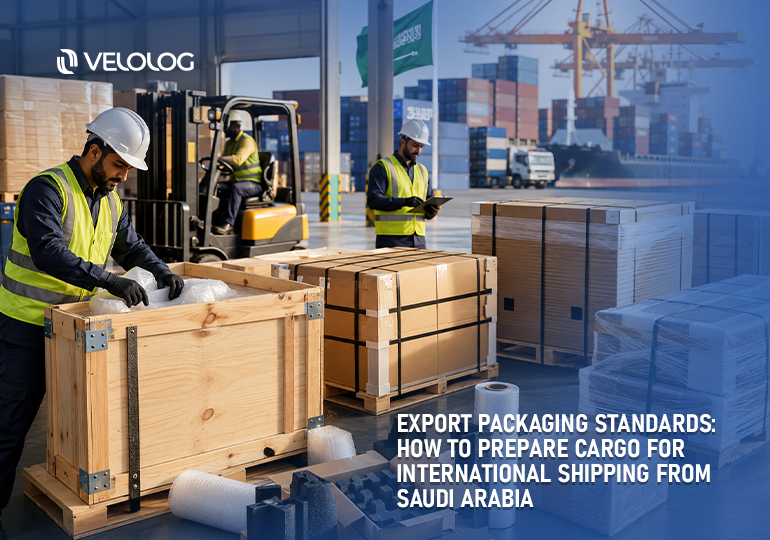
Material selection matters. Wooden pallets and crates used for export must comply with ISPM 15, the international standard requiring heat treatment or fumigation of wood packaging to prevent the spread of pests. Shipments without ISPM 15 compliance marks are frequently seized or destroyed at the port of entry.
Weight distribution and load stability are critical for containerized freight. Cargo must be evenly distributed, blocked and braced inside the container to prevent shifting during transit. Improperly loaded containers can tip during handling or arrive with crushed goods at the bottom.
Moisture and climate protection is essential for shipments passing through Saudi Arabia’s hot climate and long sea voyages through humid regions. Desiccants, vapor-barrier wrapping, and climate-appropriate crating help prevent corrosion, mold and condensation damage inside sealed containers.
Labeling and documentation must be clear, durable, and compliant with the destination country’s import requirements, including handling symbols, country of origin marks and hazard labels for regulated goods.
Product-specific packaging differs significantly between categories. Machinery and industrial equipment typically require heavy-duty crating and corrosion protection. Food and pharmaceutical products need temperature-controlled or breathable packaging. Textiles and consumer goods often rely on shrink-wrapping and carton reinforcement to withstand stacking.
Common Packaging Mistakes Exporters Make
Many exporters, particularly those shipping internationally for the first time, underestimate what export-grade packaging actually requires. Some of the most frequent mistakes include using non-treated wood for crates, over-relying on standard domestic packaging that isn’t built for multi-week sea transit, failing to secure cargo against container movement and skipping proper labeling that customs authorities require for clearance.
These mistakes are avoidable, but they require knowledge of both international shipping regulations and the practical realities of freight handling — which is exactly why many businesses turn to professional export packaging services rather than managing it in-house.
The Role of Professional Export Packaging Services
Working with a logistics provider that offers dedicated export packaging services takes the guesswork out of the process. A professional team understands the specific requirements of ocean freight versus air freight, knows which packaging materials meet ISPM 15 and other international standards, and can tailor solutions to the nature of the cargo — whether that’s fragile electronics, heavy machinery, perishable goods or bulk industrial materials.
Professional packaging services typically include crate and pallet construction, shrink-wrapping and strapping, moisture-barrier protection, proper container loading and load securing and compliance labeling. This level of preparation reduces the risk of damage claims, speeds up customs clearance and gives exporters confidence that their goods will arrive in the same condition they left in.
Why Freight Packaging in Dammam Is Strategically Important
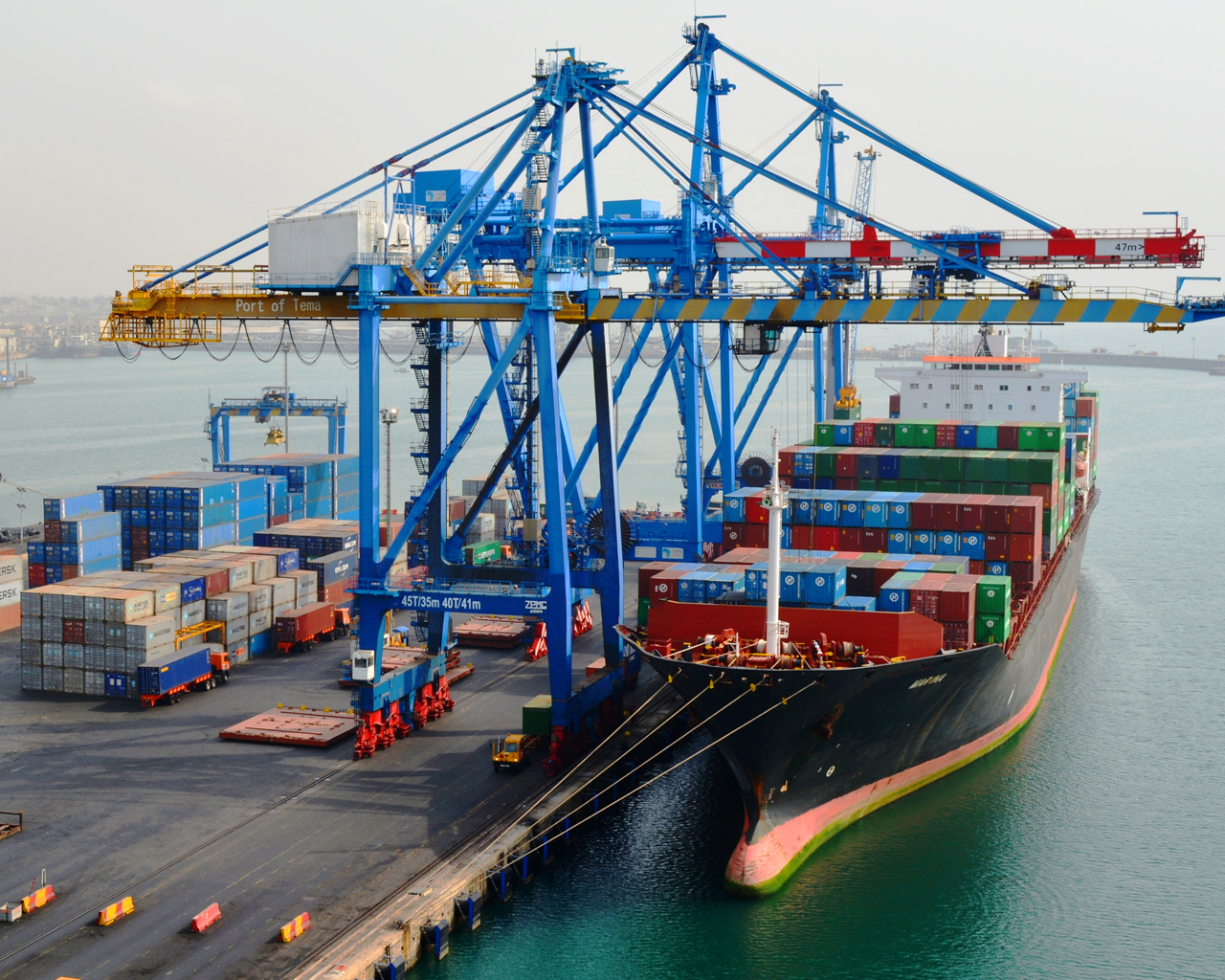
Dammam sits at the heart of Saudi Arabia’s Eastern Province, home to King Abdulaziz Port — one of the largest and busiest ports in the Gulf region. Its proximity to major industrial zones, including petrochemical, manufacturing, and construction sectors, makes it a critical hub for both containerized and project cargo exports.
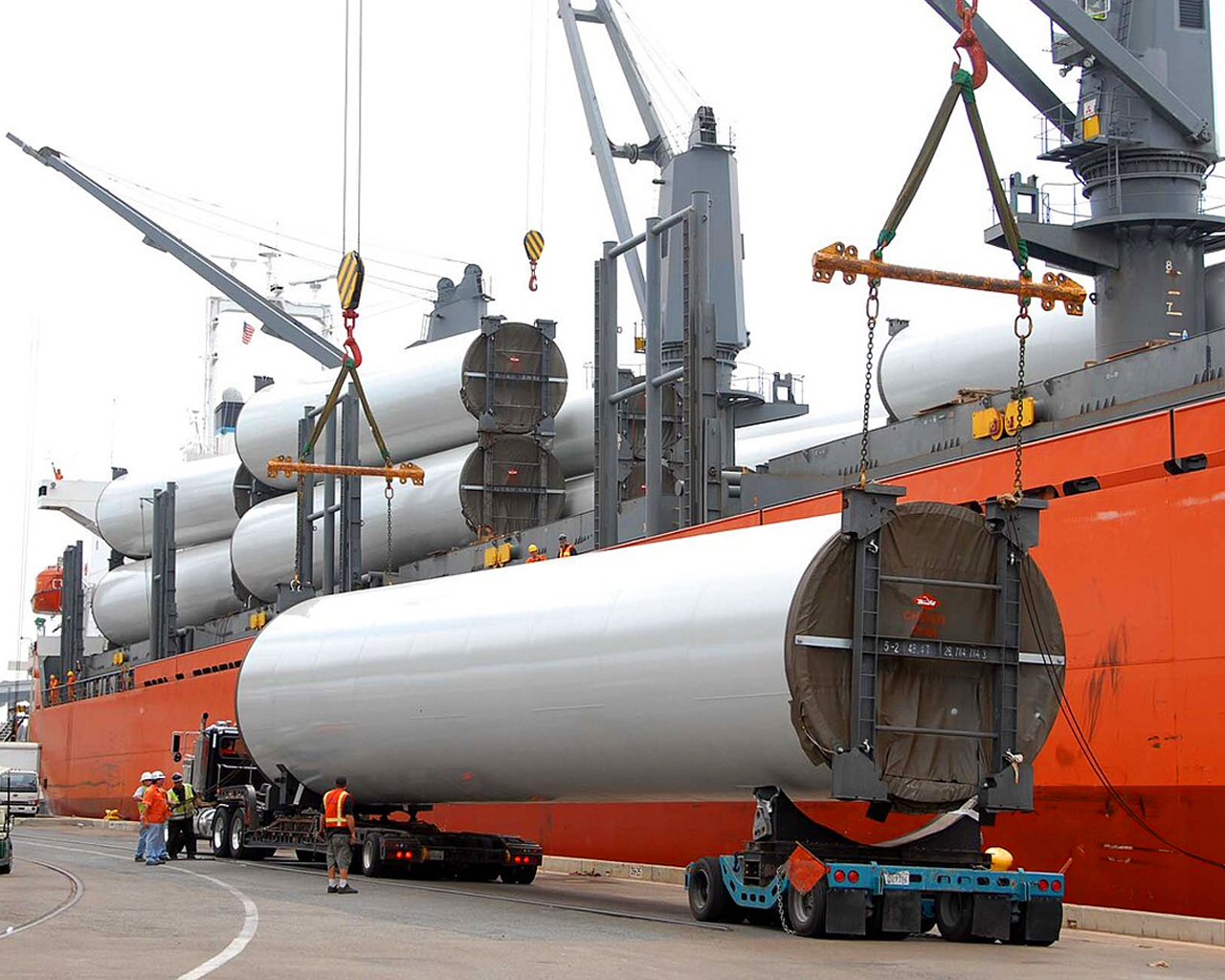
Freight packaging Dammam operations often involve heavier, larger, and more complex cargo than typical retail exports — think industrial equipment, pipeline components and construction materials. This kind of cargo demands specialized crating, reinforced palletizing and careful load planning to withstand the demands of long-distance sea freight. Exporters operating out of Dammam benefit significantly from partnering with a logistics provider that has hands-on experience with the port’s operational requirements and the specific packaging needs of heavy industrial shipments.
Steps to Prepare Your Cargo for International Shipping
For businesses preparing their own export shipments, a few practical steps can make a significant difference:
Start by identifying the destination country’s specific import and packaging regulations well before the shipment date, since requirements differ by country and product category. Choose packaging materials rated for the mode of transport and expected transit time and ensure any wood packaging carries ISPM 15 certification. Secure cargo properly within cartons, crates or pallets to prevent internal movement, and reinforce container loading to distribute weight evenly. Finally, double-check that all labeling, documentation and hazard markings meet both Saudi export requirements and the destination country’s customs standards.
Even with careful planning, the technical details of compliant export packaging can be difficult to manage without industry experience — which is why many exporters choose to work with a trusted logistics partner from the start.
Partner With Experts for Reliable Export Packaging
Preparing cargo for international shipping is about more than boxing up goods it’s about protecting your shipment, your customers and your business reputation. From ISPM 15-compliant crating to container load planning and freight packaging in Dammam, getting the details right the first time saves time, money and stress.
At Velo Logistics, we specialize in export packing Saudi Arabia businesses can rely on, offering complete export packaging services tailored to your cargo type, destination and mode of transport. Whether you’re shipping industrial equipment, consumer goods or project cargo, our team ensures every shipment meets international shipping packaging standards from the first mile to the final port of entry.
Get in touch with our team today to discuss your export packaging and freight needs and let us help your cargo reach its destination safely, compliantly and on schedule.