






When a shipment leaves a factory or warehouse, most people assume the journey is simple: load it, ship it, unload it, done. In reality, one of the most critical — and least understood — stages of any shipment happens the moment your cargo reaches the port. This stage is called terminal handling, and it can make the difference between a smooth, on-time delivery and a shipment stuck in delays, damage claims, or unexpected costs.
For businesses importing or exporting through Saudi Arabia’s busy ports, understanding terminal handling services isn’t just useful background knowledge — it directly affects how efficiently your goods move, how safe they are in transit, and how much you ultimately pay. In this blog, we break down exactly what happens to your cargo at the port, why it matters, and how the right partner can protect your shipment every step of the way.
What Is Terminal Handling?
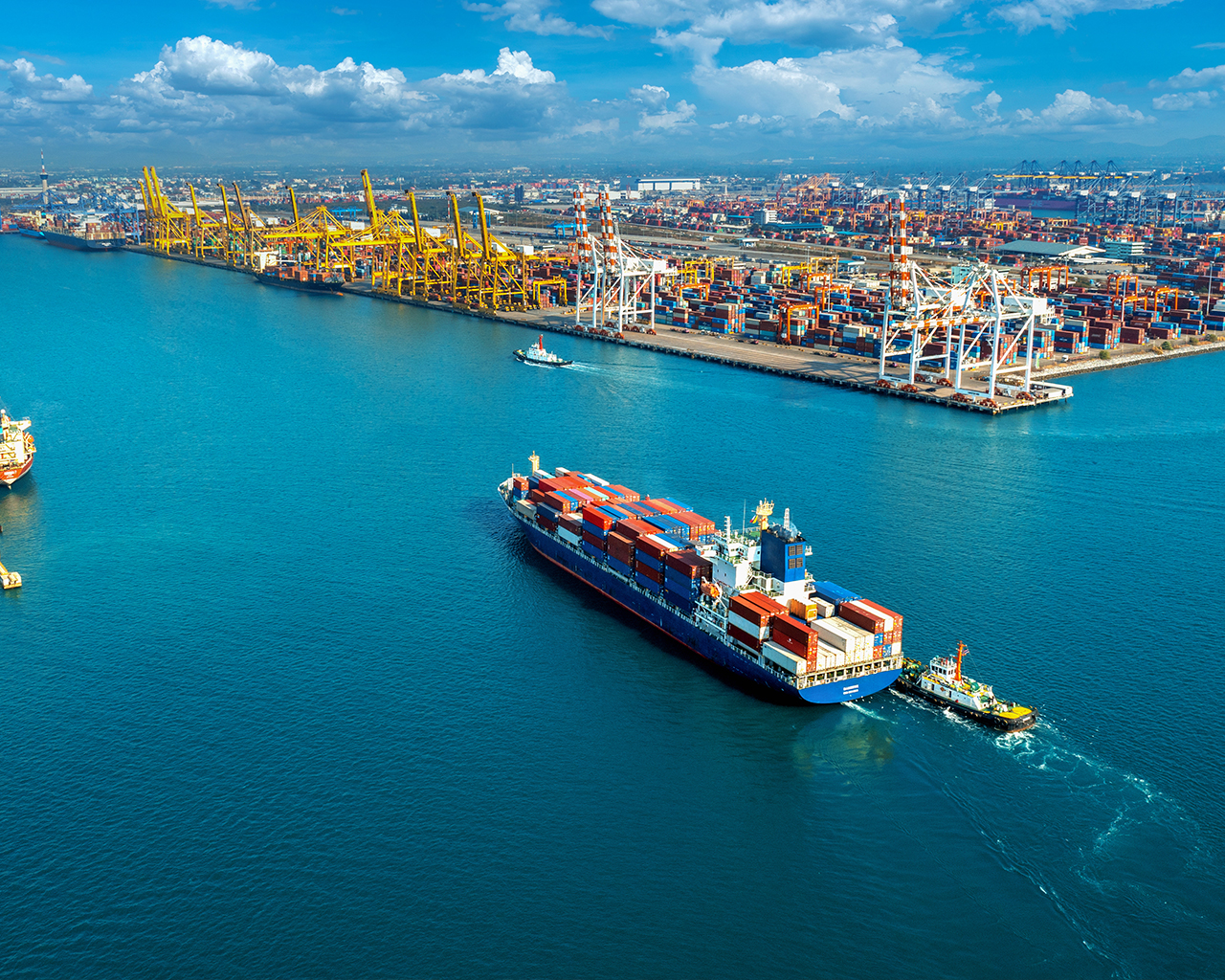
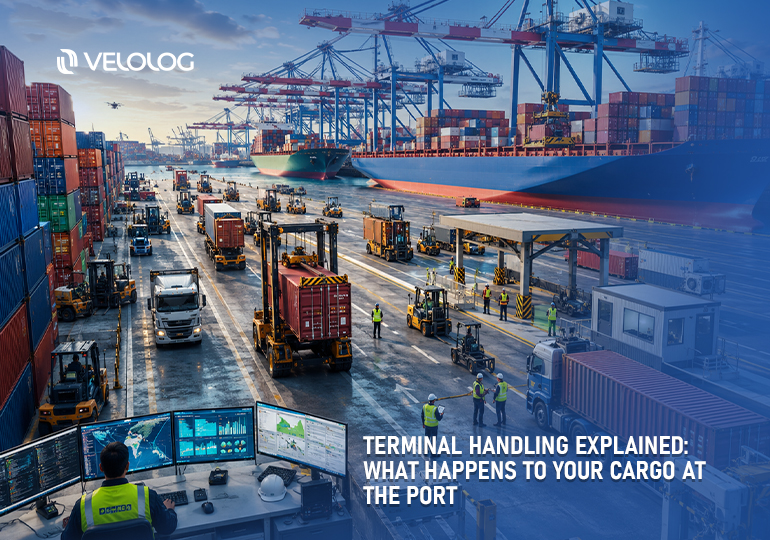
Terminal handling refers to everything that happens to a container or cargo unit from the moment it arrives at a port terminal until it is either loaded onto a vessel or released to the consignee after discharge. It’s the operational bridge between sea transport and inland transport, and it involves a coordinated sequence of physical, administrative, and technical processes.
This includes receiving cargo at the terminal gate, storing it in the yard, moving it between storage and vessel berths, loading and unloading operations, and finally releasing it for onward transportation. None of this happens automatically — it requires trained personnel, heavy equipment, documentation accuracy, and tight coordination between shipping lines, port authorities, and logistics providers.
Step-by-Step: The Journey of Cargo Through the Terminal
1. Gate-In and Documentation Check
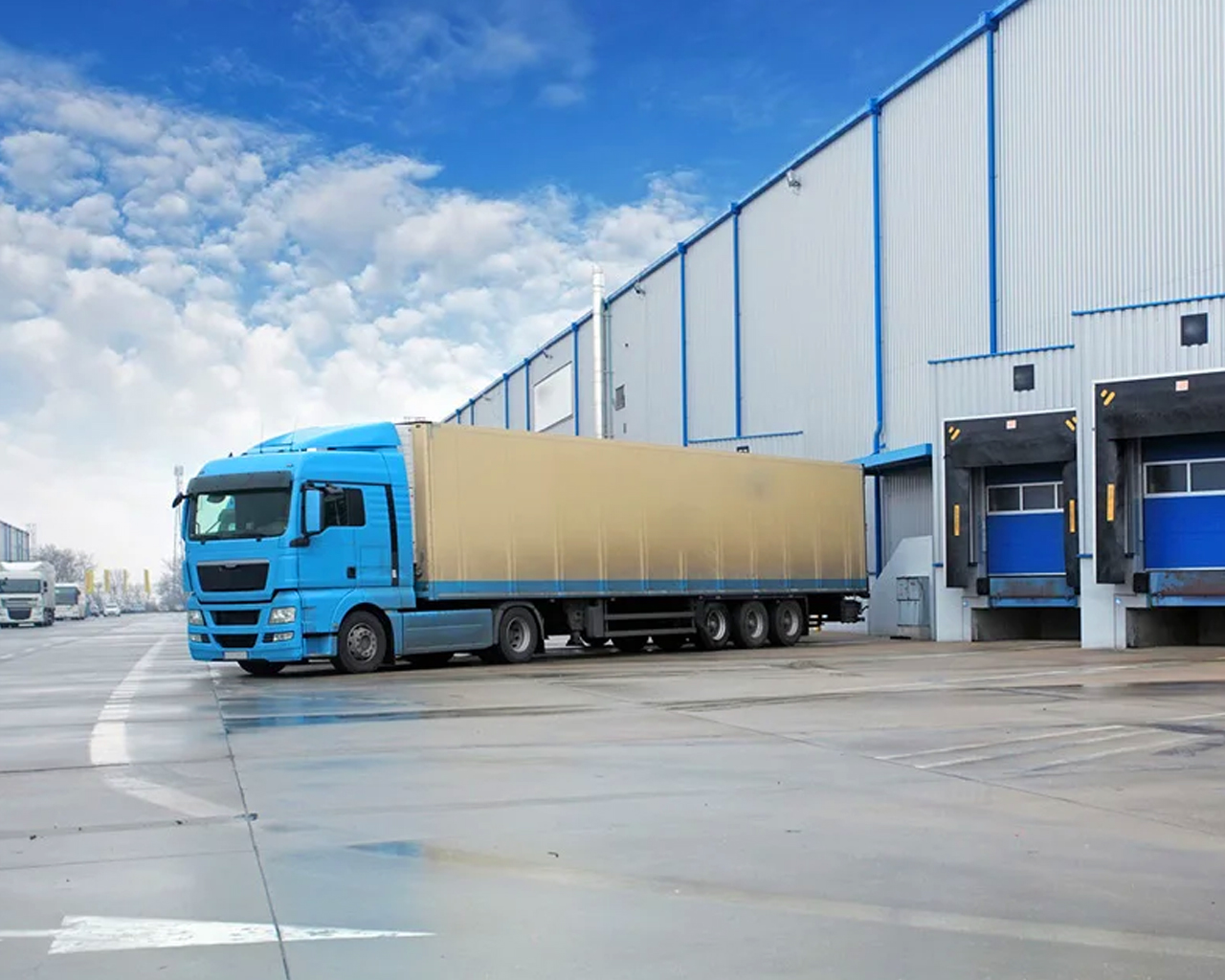
Every container entering a terminal must pass through a gate-in process. Here, terminal staff verify the container number, seal integrity, weight declaration, and supporting shipping documents against the booking details. Any mismatch at this stage can delay the entire shipment, which is why accurate documentation before arrival is so important.
2. Yard Storage and Positioning
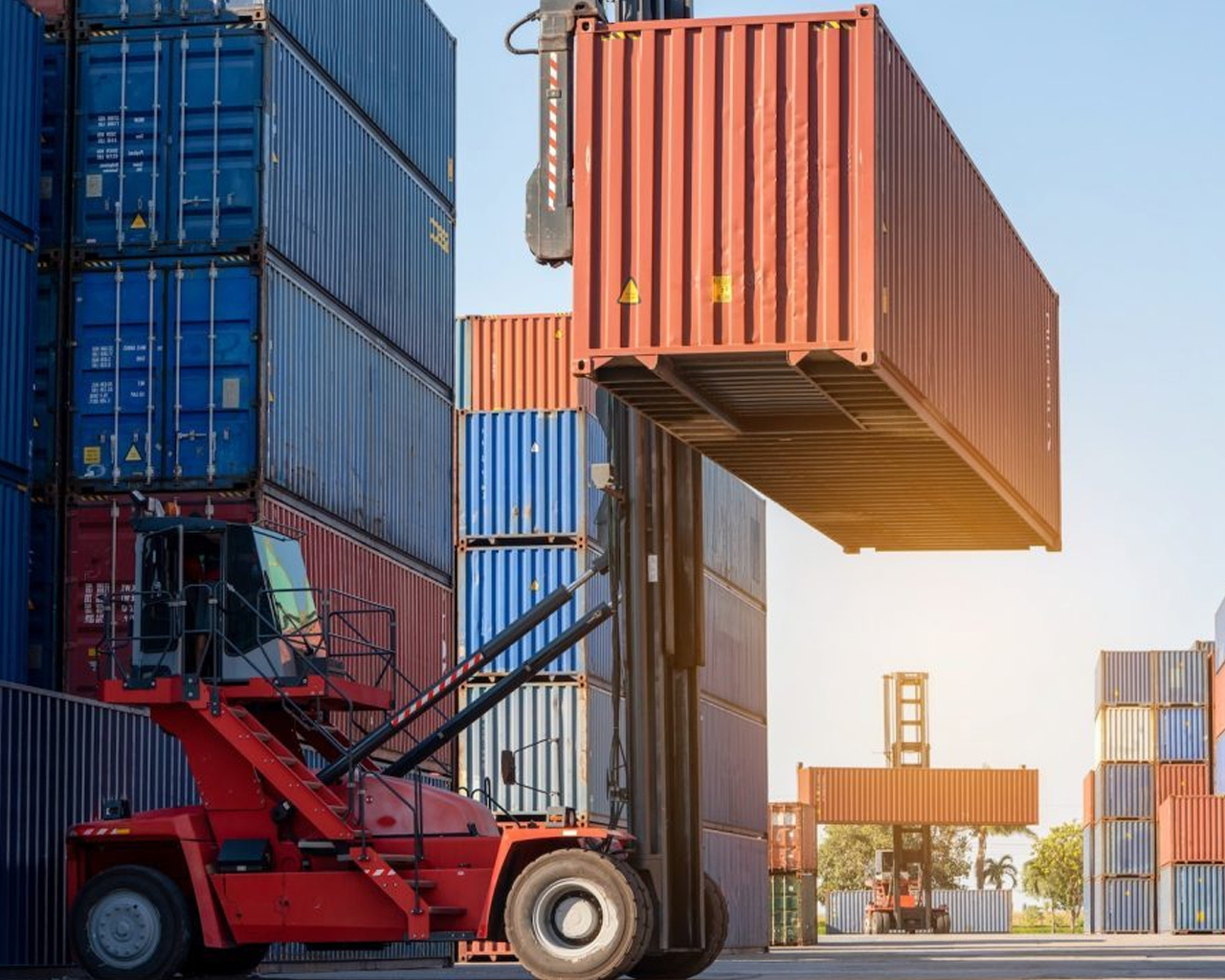
Once cleared through the gate, containers are moved into the storage yard using specialized equipment such as reach stackers, rubber-tyred gantry cranes, or straddle carriers. Containers are strategically stacked and positioned based on their vessel, destination, and priority, so they can be retrieved quickly when loading begins. Poor yard planning can lead to unnecessary handling, delays, and even damage — which is why experienced terminal operators plan storage with precision.
3. Container Terminal Operations and Vessel Loading
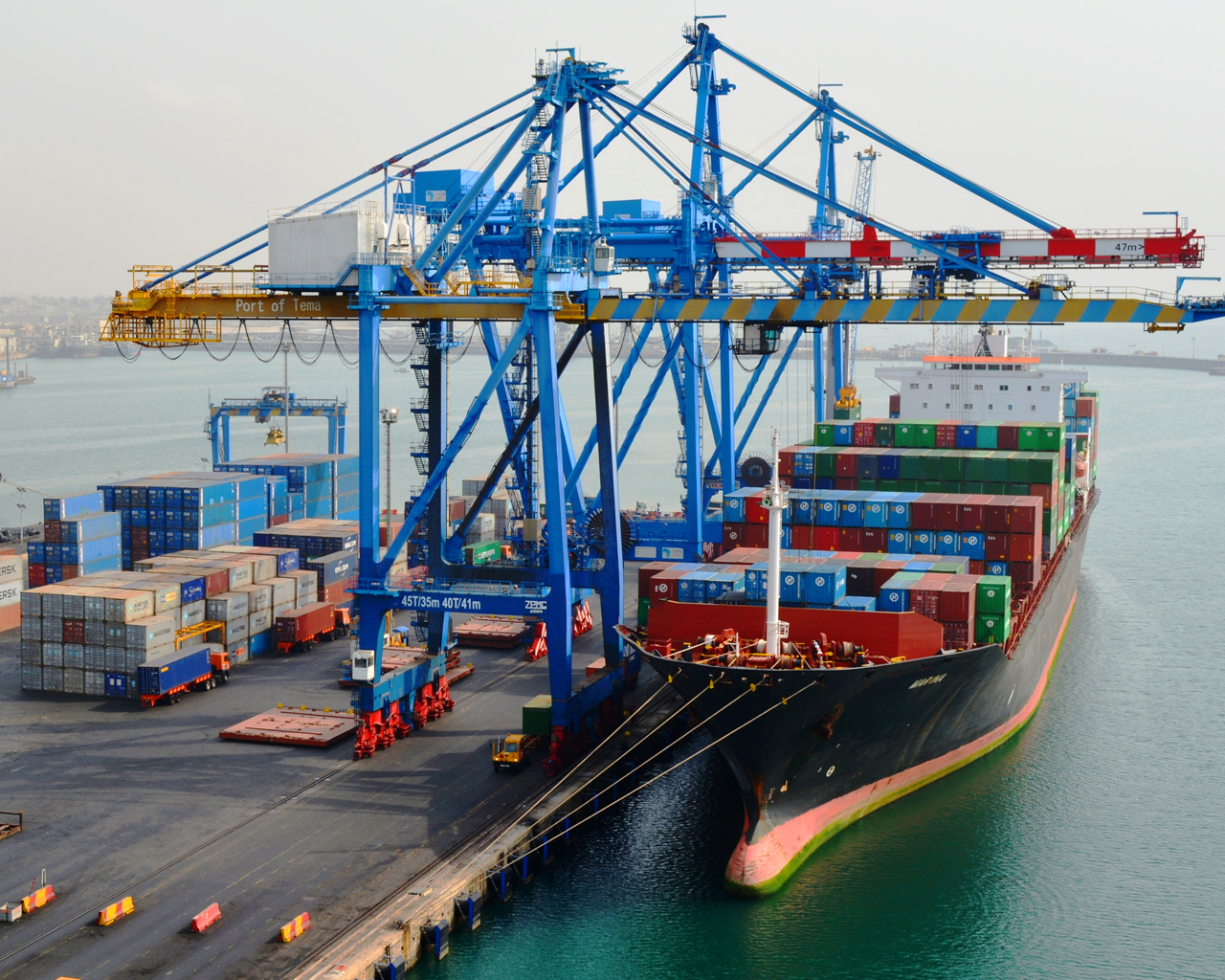
This is where container terminal operations become most visible. As the vessel berths, ship-to-shore cranes begin loading based on a carefully planned stowage plan, which considers weight distribution, port rotation, and cargo type to keep the vessel stable and safe throughout its voyage. Every container is scanned, tracked, and loaded in sequence — errors here can cause costly restows or delays for other shippers.
4. Cargo Loading and Unloading at Discharge
When a vessel arrives at its destination port, the reverse process begins. Cargo loading and unloading during discharge requires the same precision as export loading, but with added urgency, since demurrage charges begin accumulating quickly if containers aren’t cleared and moved out of the terminal within the free time allowed. Efficient unloading depends on coordinated crane operations, yard availability, and fast processing of customs and terminal documentation.
5. Gate-Out and Onward Movement
Once cargo is unloaded and cleared, it moves through gate-out procedures before being transported to a warehouse, distribution center, or final destination by road. This final step connects terminal operations to the broader supply chain, which is why terminal handling services are rarely effective in isolation — they need to be integrated with transportation, customs clearance, and warehousing.
Why Terminal Handling Matters for Your Business
Many shippers focus on freight rates and transit times but overlook how terminal handling affects total cost and reliability. Delays, mishandled documentation, or poor yard management can lead to:
- Demurrage and detention charges from extended container dwell time
- Cargo damage due to improper handling or stacking
- Missed vessel connections, causing further delays
- Additional administrative costs from documentation errors
On the other hand, well-managed terminal handling reduces dwell time, protects cargo condition, and keeps your supply chain predictable — which is especially critical for businesses operating on tight delivery schedules.
Port Cargo Handling in Saudi Arabia: A Growing, Complex Landscape
Saudi Arabia’s ports, including major hubs along the Eastern and Western coasts, handle an enormous and growing volume of containerized, bulk, and project cargo each year. As the Kingdom continues expanding its trade infrastructure under Vision 2030, port cargo handling in Saudi Arabia has become faster and more sophisticated, but also more competitive in terms of berth availability, yard space, and terminal scheduling.
This means shippers need a logistics partner who understands local terminal procedures, has strong working relationships with terminal operators, and can navigate documentation requirements without unnecessary delays. Generic handling processes simply don’t work in a market where timing, coordination, and local expertise directly affect cost and reliability.
The Role of Port Logistics Services in a Smooth Handling Process
Terminal handling doesn’t operate in isolation — it’s one piece of a much larger chain. Comprehensive port logistics services connect terminal operations with customs clearance, inland transportation, and warehousing, ensuring cargo doesn’t sit idle or get lost in the handoff between different stages.
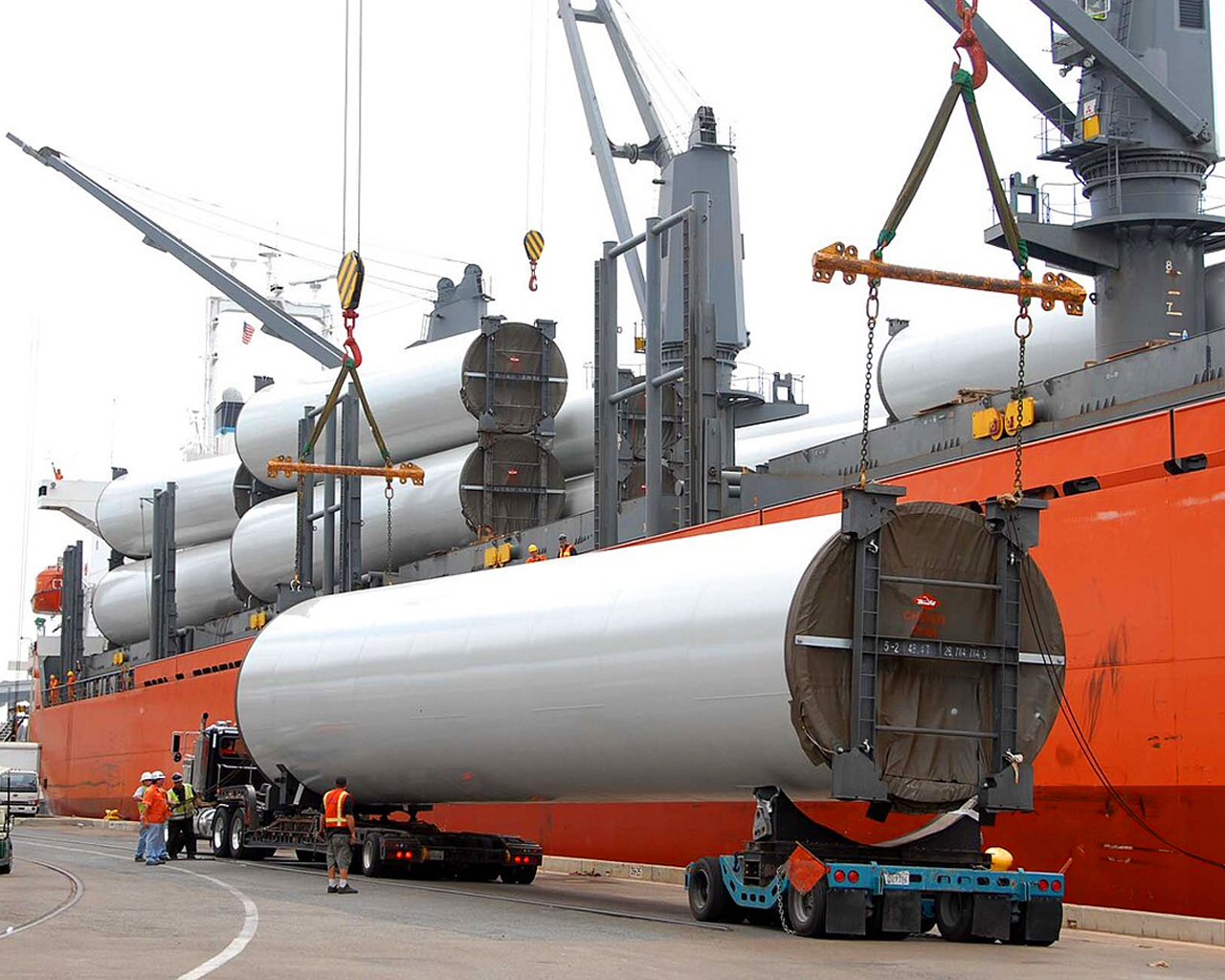
A logistics provider who manages this entire chain — rather than just one segment — can proactively track container status, plan yard-to-gate timing, and coordinate transportation in advance, significantly reducing the risk of delays or unexpected charges. This integrated approach is especially valuable for businesses moving project cargo, break bulk shipments, or high-volume containerized goods, where even small inefficiencies at the terminal can ripple through the entire supply chain.
What to Look for in a Terminal Handling Partner
If you’re evaluating logistics providers for terminal handling services, consider the following:
- Direct experience with Saudi Arabian ports and terminal procedures
- Strong coordination with shipping lines and terminal operators
- Real-time tracking and proactive communication on container status
- The ability to manage documentation accurately and quickly
- Integrated support across customs clearance, transportation, and warehousing
Choosing a partner who understands these details isn’t just about convenience — it’s about protecting your cargo, your budget, and your delivery timelines.
Final Thoughts
Terminal handling may happen behind the scenes, but its impact on your supply chain is anything but small. From gate-in inspections to vessel loading, discharge, and gate-out, every step requires precision, coordination, and local expertise — especially in a fast-moving market like Saudi Arabia.
At Velolog, we manage terminal handling as part of a complete, end-to-end logistics solution, ensuring your cargo is handled with care, tracked closely, and moved efficiently through every stage of the port process. Whether you’re shipping containerized goods, project cargo, or break bulk freight, our team works closely with terminal operators across Saudi Arabia to keep your supply chain moving without unnecessary delays or costs.
Get in Touch with Velolog
Have cargo moving through a Saudi Arabian port soon? Let our logistics experts handle the complexity so you don’t have to.
Get in touch with our team and experience terminal handling and port logistics services built on care, precision, and accountability.