









Saudi Arabia stands as one of the most dynamic trade hubs in the Middle East, with billions of dollars’ worth of goods flowing through its ports and airports every year. Whether you are a seasoned importer or a business entering the Kingdom’s market for the first time, understanding the customs clearance Saudi Arabia process is absolutely essential. A single missed document or misunderstood regulation can lead to costly delays, fines, or even the seizure of cargo. This guide breaks the entire journey down into clear, manageable steps so you can move your goods confidently and compliantly.
Why Customs Clearance in Saudi Arabia Matters
The Kingdom of Saudi Arabia is actively expanding its non-oil economy under Vision 2030, which means trade volumes are growing and customs regulations are evolving rapidly. The Saudi Zakat, Tax and Customs Authority (ZATCA) governs all import and export activity, and its digital-first approach has transformed how clearance is handled. Businesses that understand the system gain a competitive edge — faster release times, lower demurrage costs, and fewer compliance headaches.
Getting customs clearance Saudi Arabia right is not just about paperwork. It involves understanding duty rates, restricted goods categories, and the role of licensed customs brokers. Let’s walk through the process from start to finish.
Step 1: Confirm Your Importer Registration
Before any shipment can clear customs in the Kingdom, the importing entity must be registered with ZATCA and hold a valid Commercial Registration (CR) number issued by the Ministry of Commerce. Foreign companies that do not have a Saudi entity are generally required to work through a licensed local agent or establish a Saudi subsidiary.
As part of the Saudi import clearance process, importers also need a ZATCA Customs Number (distinct from the CR), which is obtained by registering on the Nakheel portal — the Kingdom’s official customs management system. Ensuring this registration is active and up to date before your shipment departs the origin country will prevent unnecessary holds at the port of entry.
Step 2: Classify Your Goods with the Correct HS Code
Every product entering Saudi Arabia must be assigned a Harmonized System (HS) code — an internationally standardized numerical classification for traded goods. The HS code determines the applicable import duty rate, any applicable value-added tax (VAT), and whether the product falls under a restricted or prohibited category.
Saudi Arabia applies a standard VAT rate of 15% on most imported goods, in addition to customs duties that range from 0% to 25% depending on the product category. Some goods — such as agricultural products and certain manufactured items — attract higher duties to protect domestic industries. Mis-classifying goods is one of the most common and costly errors in the Saudi import clearance process, so it is worth consulting a customs professional if there is any ambiguity about the correct HS code.
Step 3: Prepare Your Import Documentation (KSA)
Thorough and accurate import documentation KSA is the backbone of smooth customs clearance. ZATCA requires a specific set of documents for every commercial shipment. Incomplete or incorrect paperwork is the single biggest cause of clearance delays. Here is what you will need:
• Commercial Invoice — Must clearly state the seller’s and buyer’s details, a full description of the goods, country of origin, quantity, unit price, and total value. It must be signed and stamped by the exporter.
• Packing List — A detailed list showing the number of packages, individual weights, dimensions, and contents. This must align precisely with the commercial invoice.
• Bill of Lading or Airway Bill — The transport document issued by the carrier. For sea freight, a Bill of Lading (B/L) is required; for air freight, an Airway Bill (AWB).
• Certificate of Origin — Required for most imported goods, typically issued by the Chamber of Commerce in the country of origin and authenticated by the Saudi Embassy or Consulate. GCC-origin goods enjoy preferential tariff treatment.
• SABER Product Certificate — Mandatory for regulated products (electronics, toys, food products, chemicals, safety equipment), obtained through the SABER platform managed by SASO before shipment departs.
• Import Permit (where applicable) — Pharmaceuticals, medical devices, food items, and agricultural products require additional permits from relevant government ministries such as the SFDA and MoA.
Having all of your import documentation KSA ready and verified before the vessel or aircraft departs will dramatically reduce port dwell time.
Step 4: Choose a Licensed Customs Broker
Navigating the customs clearance Saudi Arabia process independently is possible but complex. The vast majority of importers — from large multinationals to small and medium enterprises — work with a licensed Saudi customs broker (also known as a customs clearing agent). A licensed broker is officially authorized by ZATCA to file customs declarations on behalf of importers, interact directly with the Nakheel portal, and manage coordination between port authorities, shipping lines, and government inspectors.
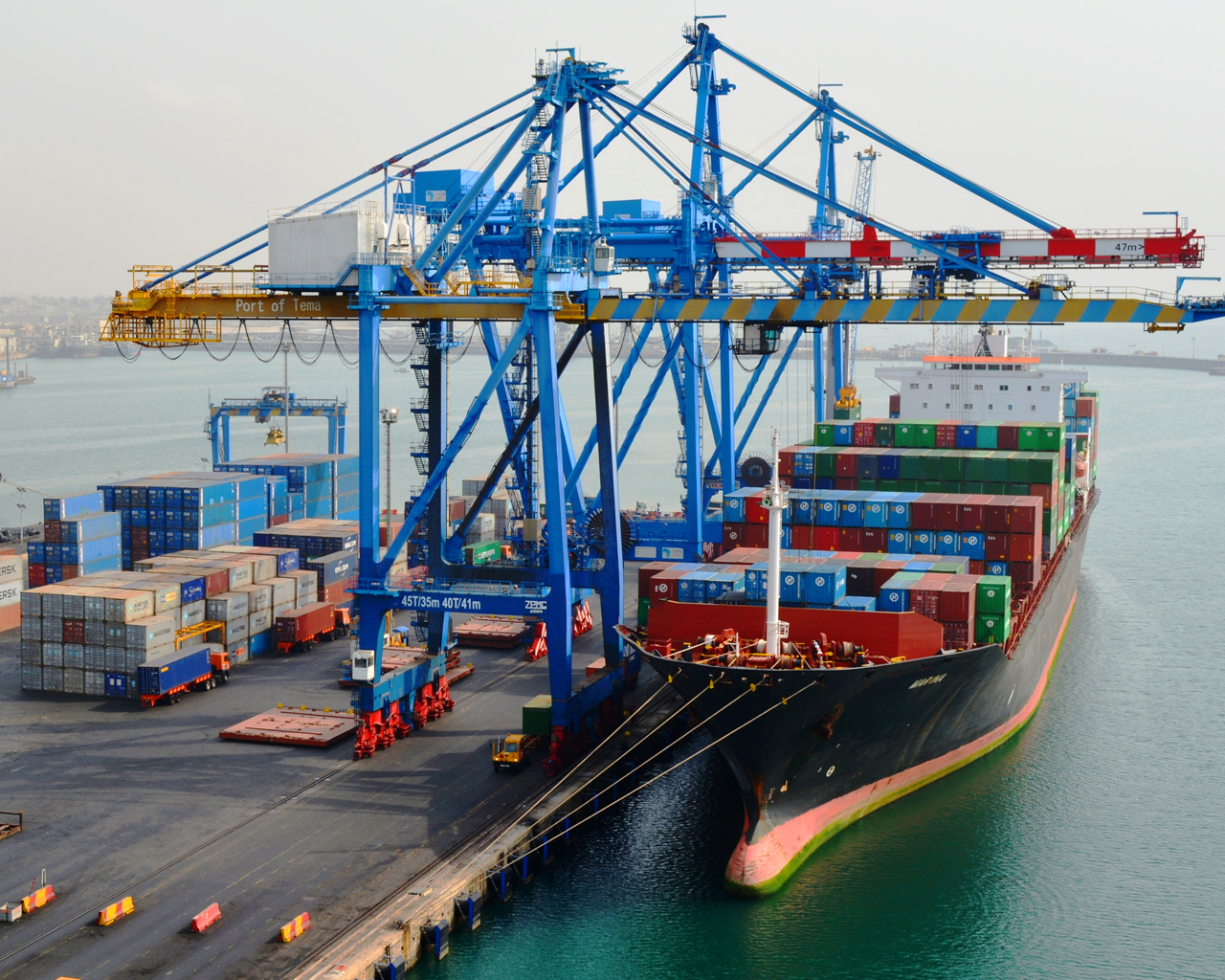
At Velolog, our dedicated customs clearance team brings deep knowledge of Saudi trade regulations, port operations at King Abdulaziz Port (Dammam), Jeddah Islamic Port, and King Khalid International Airport, and the full range of regulated product categories. We handle every step of the Saudi import clearance process on your behalf, so you can focus on your core business.
Step 5: File the Customs Declaration
Once all documentation is in order, the customs broker submits a Goods Declaration (known as a Bayan) through the Nakheel platform. This digital declaration captures all shipment details — consignee information, HS codes, declared values, quantities, country of origin, and supporting documents. ZATCA’s automated risk management system then evaluates the declaration and assigns it one of three inspection channels:
• Green Channel (Documentary Release): No physical inspection required. The system approves the declaration based on documentation alone, and goods are released quickly.
• Yellow Channel (Documentary Inspection): A customs officer reviews the submitted documents in detail before approving release.
• Red Channel (Physical Inspection): A customs officer physically examines the goods against the declared documentation. This can take additional time and may involve laboratory testing for regulated products.
Being assigned to the Green Channel is the goal of every efficient importer, and it is largely achieved by maintaining consistent, accurate import documentation KSA filings over time.
Step 6: Pay Customs Duties and VAT
Upon approval of the declaration (or after inspection), the customs duty and VAT assessment is issued. Payment is made electronically through the Nakheel portal. Saudi Arabia calculates customs duty on the CIF (Cost + Insurance + Freight) value of the goods, with VAT then applied on top of the customs duty-inclusive value. It is important to have your duty payment ready in advance, as delays can result in demurrage charges from the port or airline. Your customs broker will typically provide a duty estimate before the shipment arrives, allowing you to prepare funds ahead of time.
Step 7: Cargo Release and Final Delivery
Once payment is confirmed, ZATCA issues a release order and the cargo is physically released by the port or airport authority. From here, your logistics provider arranges the last-mile movement of goods to your warehouse or final destination. If your shipment is bound for multiple destinations within Saudi Arabia or across the GCC, bonded transport arrangements (under Customs Transit procedures) can be used to move goods under seal without paying duties at every checkpoint — particularly useful for importers operating distribution networks across Riyadh, Jeddah, and Dammam.
Common Pitfalls to Avoid
Understanding the customs clearance Saudi Arabia process also means knowing where things typically go wrong:
• Undervaluing goods is one of the most serious offences under Saudi customs law and can lead to penalties, seizure, and blacklisting. Always declare the accurate transaction value.
• Missing or expired SABER certificates for regulated products will result in automatic holds at the border. Obtain conformity certificates well before the shipment departs.
• Incorrect country of origin declarations can trigger anti-dumping duties or loss of preferential tariff treatment under trade agreements. Always double-check your Certificate of Origin.
• Incomplete import documentation KSA — even a minor discrepancy between the invoice and the packing list — can trigger a yellow or red channel inspection and add days to your clearance timeline.
How Velolog Simplifies Your Saudi Import Clearance Process
At Velolog, we understand that efficient customs clearance is not just a logistical function — it is a competitive advantage. Our team of licensed customs professionals manages every aspect of the Saudi import clearance process, from pre-shipment document review and HS code classification to SABER certification support, duty calculation, declaration filing, and cargo release.
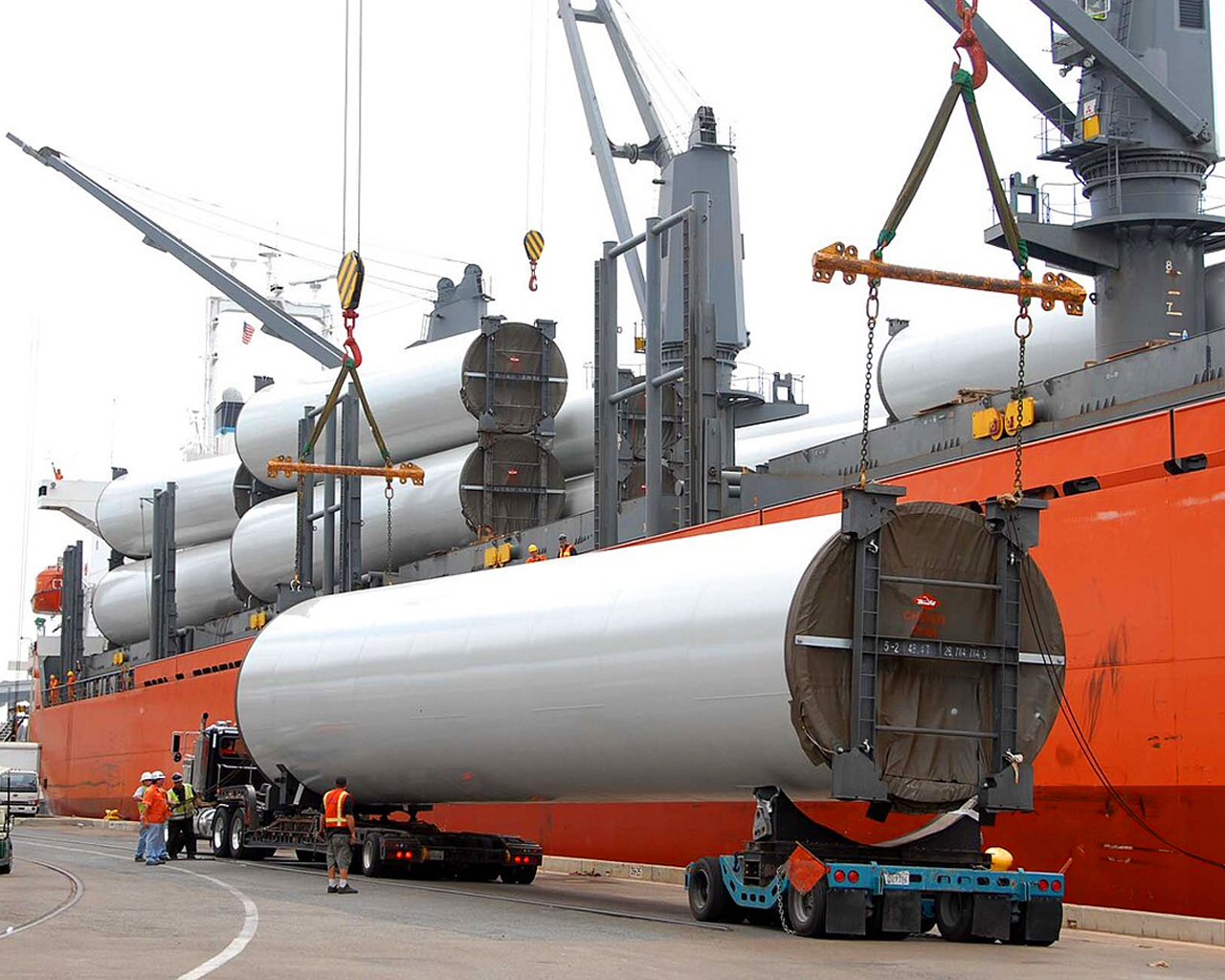
With offices in Dammam and deep operational ties across all major Saudi ports and airports, we deliver fast, transparent, and fully compliant customs clearance services tailored to your industry. Whether you are importing industrial equipment, consumer goods, food products, or project cargo, Velolog is your trusted partner for seamless customs clearance Saudi Arabia.
Contact our team today to learn how we can streamline your next shipment into the Kingdom.