






When it comes to shipping large, heavy, or awkwardly sized goods, standard containers are often not the answer. That is where break bulk cargo becomes the most practical and cost-effective solution available. For businesses operating in the Kingdom of Saudi Arabia — where massive infrastructure projects, industrial expansion, and cross-border trade are accelerating at a remarkable pace — understanding break bulk cargo is not merely useful, it is essential. At Velolog, we provide specialized break bulk shipping services tailored to the complex demands of the Saudi market, helping clients move cargo that simply cannot be containerized.
Understanding Break Bulk Cargo
Break bulk cargo refers to goods that are shipped individually or in units rather than being packed inside standard shipping containers. These items are loaded directly onto a vessel’s deck or into its cargo hold, piece by piece, and secured individually for transit. The term itself originates from the phrase ‘breaking bulk,’ which historically meant the process of unloading a ship’s cargo at port — breaking it apart from the ship’s hold into smaller, manageable loads.
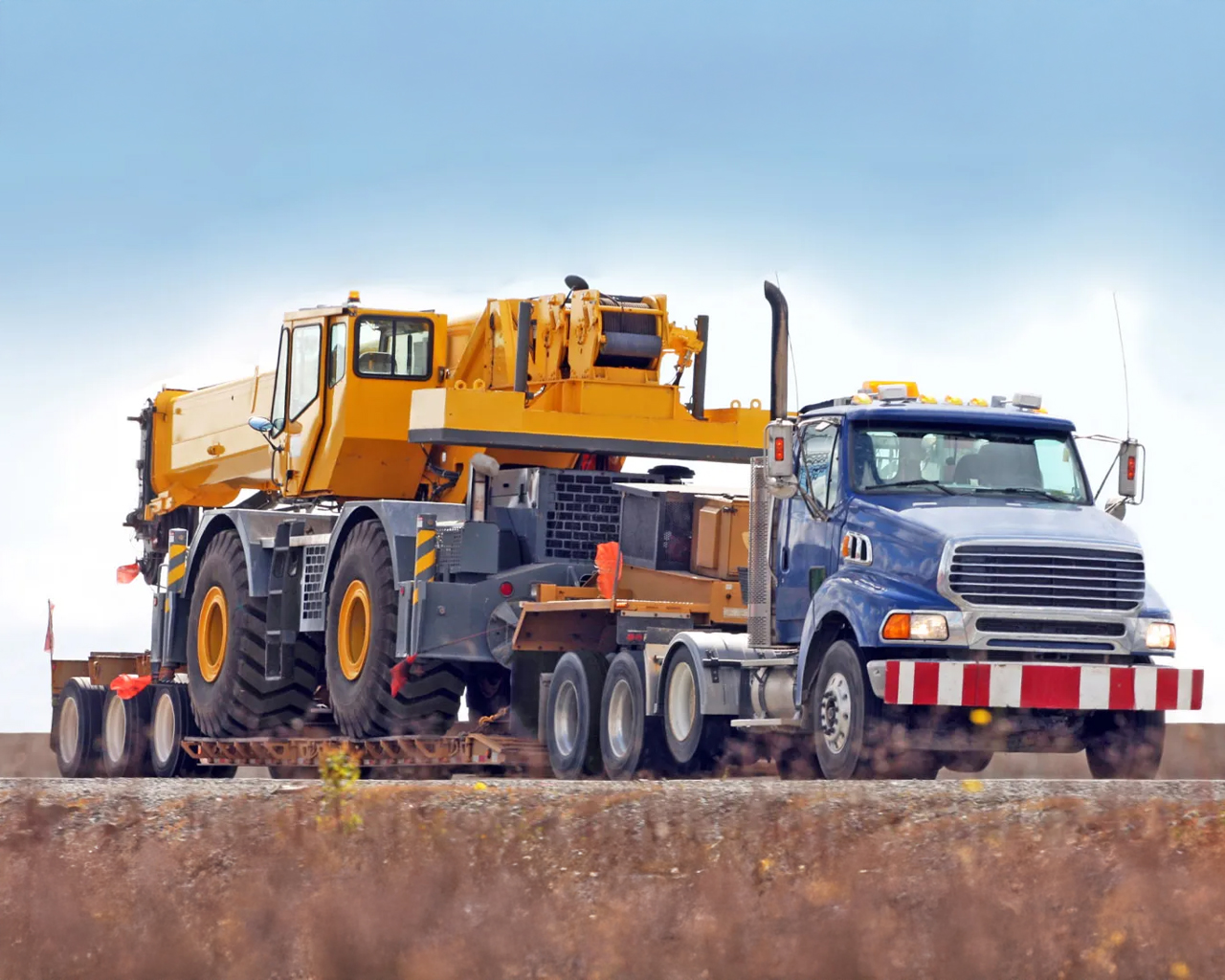
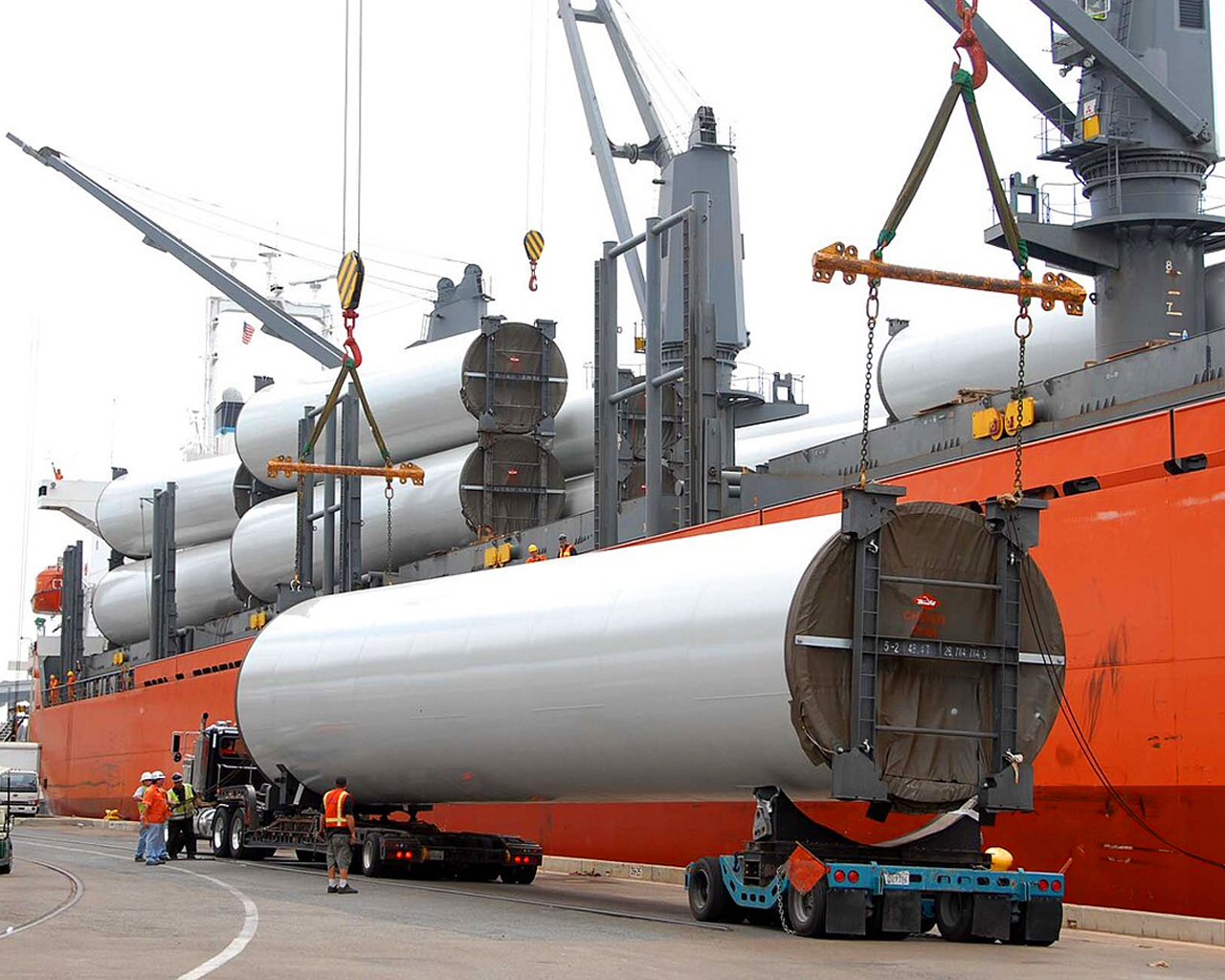
Common examples of break bulk cargo include steel pipes and structural beams, large industrial machinery and generators, wind turbine components, construction equipment such as cranes and excavators, timber logs, military vehicles, oversized manufacturing modules, and pre-assembled units that exceed standard container dimensions. Essentially, if a shipment cannot reasonably fit inside a 20-foot or 40-foot shipping container, or if forcing it to do so would damage the cargo or drive up costs significantly, then break bulk shipping is almost certainly the right choice.
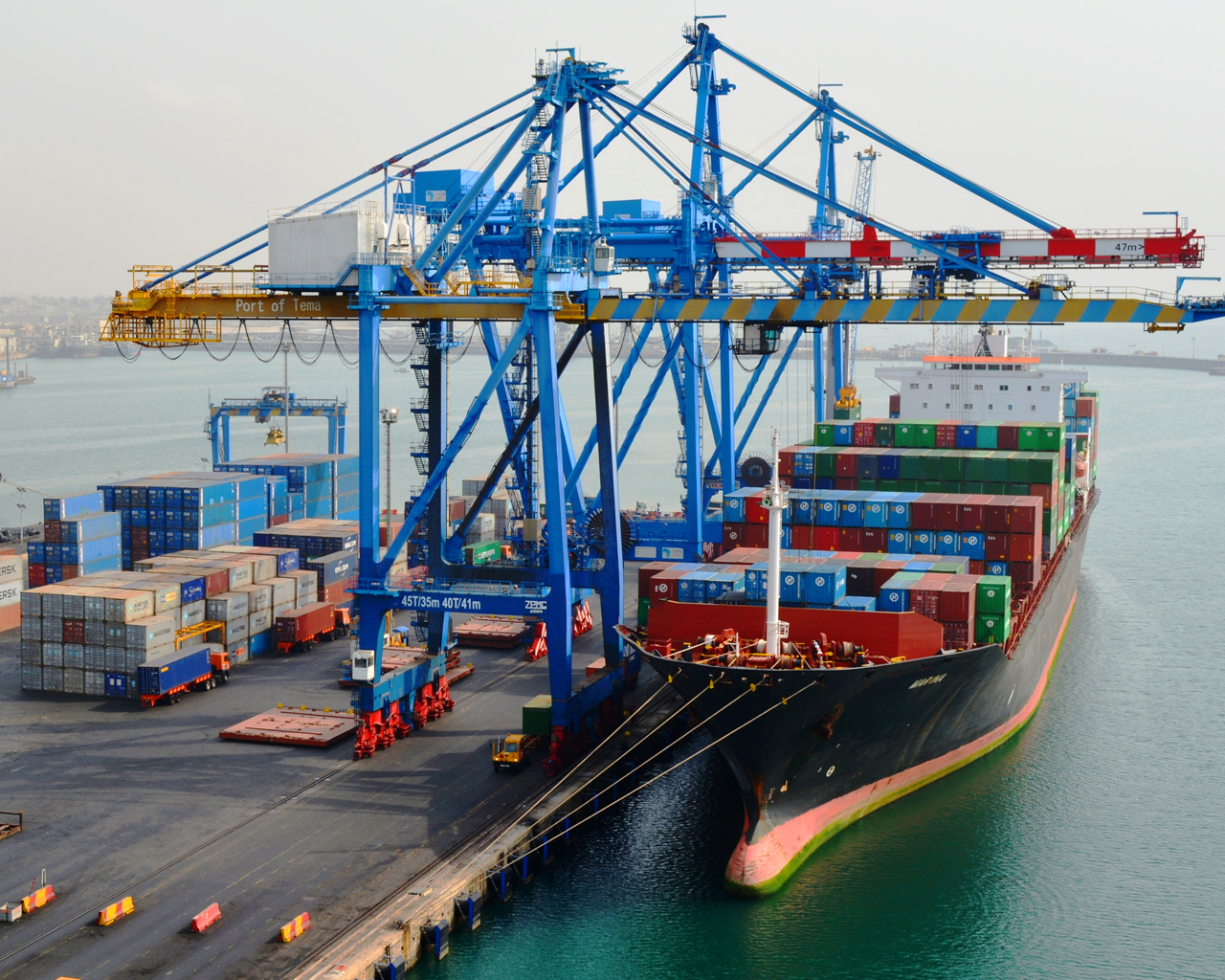
It is important not to confuse break bulk cargo with bulk cargo. Bulk cargo — such as grain, coal, or liquid oil — is loaded in large, loose quantities without any individual packaging. Break bulk, on the other hand, involves discrete items that are individually packaged, crated, palletized, or wrapped, and handled as separate units during the loading and unloading process.
How Break Bulk Shipping Works
The break bulk shipping process is more involved than standard containerized freight, and it demands a logistics partner with deep operational expertise. The journey typically begins with a detailed cargo assessment, where the dimensions, weight, structural characteristics, and fragility of each item are carefully evaluated. Based on this assessment, the logistics team determines the most appropriate vessel type, loading method, and securing technique.
Break bulk vessels are specially designed ships with large open holds, heavy-lift cranes, and reinforced deck space to accommodate non-standard cargo. Once the cargo arrives at port, it is carefully loaded using cranes or forklifts, then lashed, chained, or otherwise secured to prevent movement during the voyage. Upon arrival at the destination port, the reverse process takes place, with each unit carefully offloaded and prepared for onward transportation.
The process also involves rigorous documentation and customs compliance at every stage. In Saudi Arabia, this means adherence to Saudi Customs Authority regulations, Saber product conformity requirements where applicable, and any sector-specific import standards. A logistics provider experienced in break bulk shipping services within the Kingdom will manage all of this on behalf of the client, ensuring that cargo clears ports like Dammam, Jeddah, or Jubail without unnecessary delays.
Why Break Bulk Cargo Is Critical to Saudi Arabia’s Growth
Saudi Arabia is in the midst of one of the most ambitious national development programs in the world. Vision 2030 is driving massive investment across sectors including energy, construction, tourism, technology, and manufacturing. Projects such as NEOM, Red Sea Global, the expansion of the Saudi Aramco network, and the development of new industrial zones require the importation of enormous quantities of heavy machinery, pre-fabricated structures, and oversized industrial components — the kind of cargo that containerized shipping simply cannot accommodate.
This is why break bulk cargo Saudi Arabia demand has grown significantly in recent years. Ports such as King Abdulaziz Port in Dammam and the Islamic Port in Jeddah have invested in expanded break bulk handling facilities to meet this growing need. Companies involved in construction, oil and gas, renewable energy, and heavy manufacturing are increasingly relying on experienced break bulk shipping services to get their critical equipment into the Kingdom safely and on schedule.
Furthermore, Saudi Arabia’s strategic location as a regional trade hub between Europe, Asia, and Africa means that it also serves as a transit point for break bulk cargo moving to neighboring GCC countries. Logistics companies with strong regional networks — like Velolog — are uniquely positioned to manage these complex multi-leg movements.
When Should You Choose Break Bulk Shipping Over Containerization?
The decision between break bulk and containerized freight is not always straightforward, and it depends on several factors specific to your cargo and project requirements. Here is when break bulk shipping is clearly the better option.
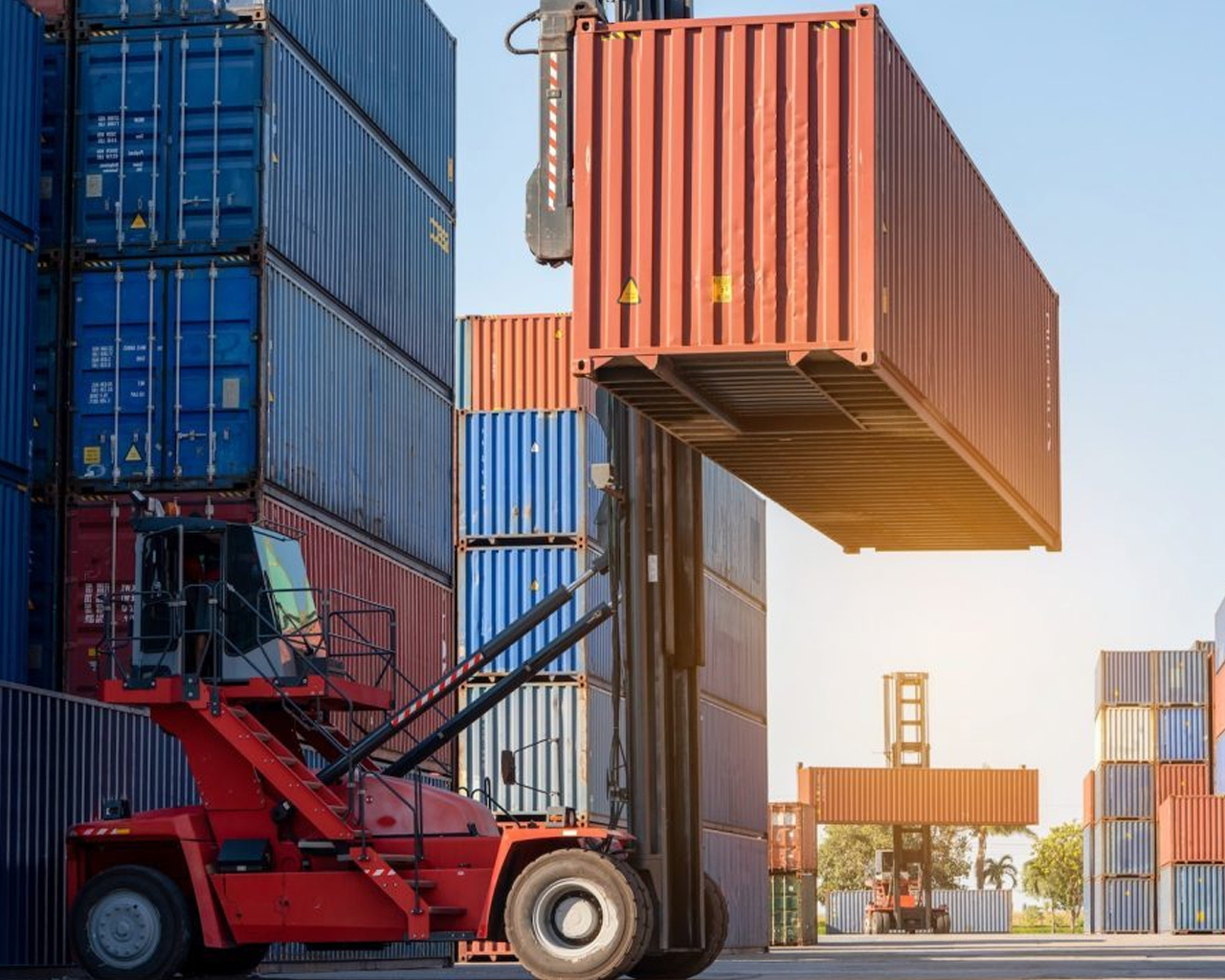
The first and most obvious scenario is when your cargo is simply too large or too heavy for a standard container. Containers have fixed maximum weight limits and internal dimensions. A large industrial transformer, a section of an oil rig, or a disassembled tower crane will not fit within these constraints. Attempting to force oversized cargo into containers damages the goods, the container, or both — and creates serious safety risks during transit.
Secondly, break bulk is preferred when your cargo is oddly shaped or structurally sensitive. Items that are long and narrow, like steel pipes or railway tracks, or items that are extremely tall or wide, like turbine blades or large vessels, require the open deck space and flexible securing options that break bulk vessels provide. The same applies to cargo that cannot tolerate the vibration and stacking pressure inside a container.
Thirdly, break bulk shipping can be more economical for very heavy single items. While the per-unit handling cost is higher than container freight, shipping a single enormous piece of equipment as break bulk avoids the expense of renting multiple flat-rack or open-top containers and the complex internal securing that would require.
Finally, when time-sensitive project cargo needs to move quickly and containers are unavailable or unsuitably configured, break bulk services offer a flexible alternative. For major infrastructure projects in Saudi Arabia where project timelines are tight and equipment must arrive in a specific sequence, break bulk logistics planning becomes an essential part of overall project management.
The Importance of Non-Containerized Freight Expertise in KSA
Handling non-containerized freight KSA requires a level of expertise that goes well beyond booking a ship and loading cargo. It demands an experienced team of surveyors, port agents, documentation specialists, and ground transportation coordinators who understand both the physical complexities of the cargo and the regulatory environment of the Saudi market.
At Velolog, our break bulk team works closely with clients from the very beginning of a project. We conduct thorough pre-shipment surveys to assess cargo dimensions, weight distribution, and center of gravity. We select the most suitable vessel from our network of break bulk carriers and coordinate every detail of the port handling process. Our deep familiarity with Saudi port operations — particularly at Dammam and Jubail, which are critical gateways for industrial cargo — ensures that our clients’ shipments move efficiently from origin to final destination.
We also provide complete customs clearance support for break bulk shipments, managing all import documentation, coordinating with Saudi Customs Authority officials, and ensuring that clients meet all compliance requirements before cargo arrives at port. This end-to-end approach minimizes the risk of costly delays and keeps project schedules on track.
Challenges in Break Bulk Shipping and How Velolog Addresses Them
Break bulk shipping is inherently more complex than containerized freight, and understanding the common challenges helps clients plan more effectively. One of the biggest challenges is port congestion and limited berth availability for break bulk vessels. Unlike container ships, which berth at standardized terminal facilities, break bulk vessels require specialized berths with heavy-lift crane capacity. At busy ports, this can lead to delays if berths are not secured well in advance.
Velolog addresses this by maintaining strong relationships with port authorities and shipping agents across Saudi Arabia’s major ports. We plan berth bookings early, coordinate vessel scheduling, and maintain clear communication with all stakeholders to avoid last-minute disruptions.
Another challenge is cargo securing and damage prevention. Break bulk cargo that is not properly lashed and secured during the voyage can shift, fall, or sustain serious damage — sometimes with catastrophic consequences. Our team applies international securing standards for every shipment, using appropriate lashing materials, dunnage, and protective wrapping based on the specific characteristics of each cargo item.
Documentation complexity is also a significant challenge in break bulk shipping. Each piece of cargo requires individual documentation, including detailed packing lists, survey reports, certificates of origin, and customs declarations. For large project shipments involving dozens of individual cargo pieces, this documentation burden can be overwhelming for companies without dedicated logistics expertise. Velolog’s experienced documentation team handles this comprehensively, ensuring nothing falls through the cracks.
Break Bulk vs. Project Cargo: Understanding the Distinction
It is worth clarifying the relationship between break bulk cargo and project cargo, as these terms are sometimes used interchangeably but have distinct meanings. Project cargo refers to large-scale, complex shipments associated with a specific infrastructure or industrial project. These shipments typically involve multiple types of cargo — including break bulk items, heavy lift components, and sometimes containerized goods — all moving in a coordinated sequence to support a defined project timeline.
Break bulk is often the primary shipping mode within a larger project cargo operation. When Velolog manages a complete project cargo assignment for a client in Saudi Arabia, break bulk shipping services form a central component alongside road transportation, customs clearance, warehousing, and terminal handling — all of which are services we provide in-house.
Choosing the Right Break Bulk Logistics Partner in Saudi Arabia
Given the complexity and risk associated with break bulk shipping, selecting the right logistics partner is one of the most important decisions a project manager or supply chain director can make. The right partner brings more than just ships and trucks — they bring experience, local knowledge, established port relationships, and a proven ability to manage the unexpected.
When evaluating break bulk shipping services in Saudi Arabia, look for a provider with direct experience handling your specific cargo type — whether that is heavy machinery, steel structures, energy equipment, or other non-standard goods. Verify that they have an established presence at the key Saudi ports your cargo will enter through, and that they offer full end-to-end service from origin to final delivery point, including customs clearance and inland transportation.
Velolog ticks all of these boxes. Based in Dammam — the heart of Saudi Arabia’s industrial and logistics corridor — we have built our reputation on delivering complex, high-stakes cargo on time and to standard. Our team of logistics specialists, customs clearance experts, and transportation coordinators works as a single integrated unit, giving clients a seamless experience from the first inquiry to the final delivery.
Conclusion: Break Bulk Cargo Is a Strategic Logistics Tool
Break bulk cargo is not simply a fallback when containers are unavailable. It is a specialized, strategic logistics solution for cargo that demands individual handling, flexible vessel configurations, and expert coordination at every step. For businesses operating in Saudi Arabia’s rapidly expanding industrial and infrastructure landscape, understanding when and how to use break bulk shipping is a genuine competitive advantage.
Whether you are importing heavy machinery for a new manufacturing facility, delivering pre-fabricated structures for a Vision 2030 development project, or moving oversized equipment across the GCC, Velolog’s break bulk shipping services offer the expertise, infrastructure, and reliability you need. We handle non-containerized freight KSA clients depend on every day — and we do it with the precision and accountability that defines everything we do.
Contact Velolog today to discuss your break bulk cargo requirements and find out how we can support your next shipment or project.