






Saudi Arabia is undergoing one of the most ambitious economic transformations in the modern world. Driven by Saudi Vision 2030 — a bold national blueprint launched to diversify the economy away from oil dependency — the Kingdom is investing heavily in industries, infrastructure, tourism, technology, and trade. At the very heart of this transformation lies an often-underestimated force: the logistics industry in Saudi Arabia.
Without a robust, modern, and agile logistics sector, the Vision 2030 agenda cannot succeed. From the construction of giga-projects like NEOM and the Red Sea Project to the rapid expansion of e-commerce and manufacturing, every sector under the Vision 2030 umbrella depends on efficient supply chain development, reliable freight movement, and world-class warehousing. Logistics companies are not simply service providers — they are strategic enablers of national growth.
In this article, we explore how the logistics industry in Saudi Arabia is directly contributing to Vision 2030 goals, the infrastructure and investment behind this growth, and why now is the most significant moment in the Kingdom’s logistics history.
Vision 2030 and the Logistics Industry: A Strategic Alignment
Saudi Vision 2030 identifies logistics and transportation as one of the Kingdom’s 12 key sectors earmarked for development. The National Transport and Logistics Strategy (NTLS), launched under Vision 2030, sets an ambitious target: to position Saudi Arabia as a global logistics hub connecting three continents — Asia, Africa, and Europe.
The strategy aims to increase the logistics sector’s contribution to GDP from around 6% to over 10% by 2030. This means tripling the size of an industry that already employs hundreds of thousands of people and handles billions of riyals in freight annually. Achieving this requires not just government investment, but the active participation of private logistics companies that can modernize operations, integrate technology, and scale capacity in line with national demand.
Saudi Vision 2030 logistics targets include reducing logistics costs as a percentage of GDP, improving the Kingdom’s ranking on the World Bank Logistics Performance Index, and establishing Saudi Arabia as a preferred regional hub for trade and freight. Each of these goals depends directly on the efficiency and capability of logistics operators working on the ground.
Infrastructure Growth KSA: The Foundation Logistics Companies Build On
One of the most visible contributions of Vision 2030 to the logistics landscape is the unprecedented infrastructure investment happening across the Kingdom. The Saudi government has committed hundreds of billions of riyals to building ports, airports, rail networks, roads, and dry ports — and logistics companies are both beneficiaries and critical partners in this expansion.
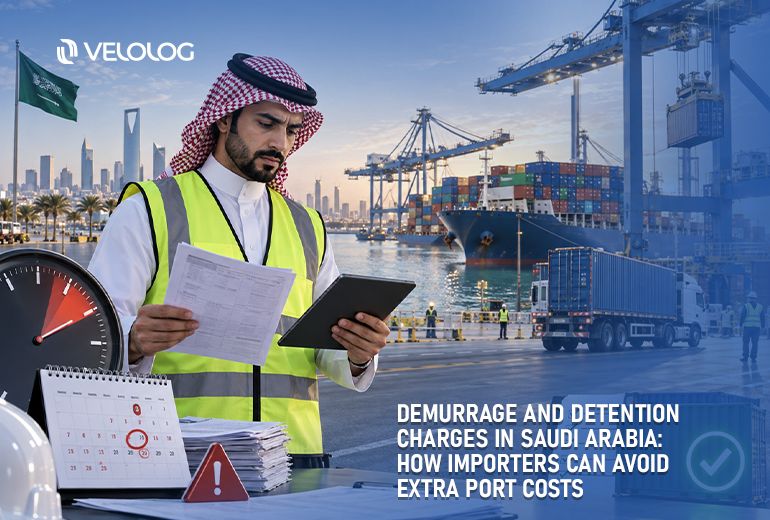
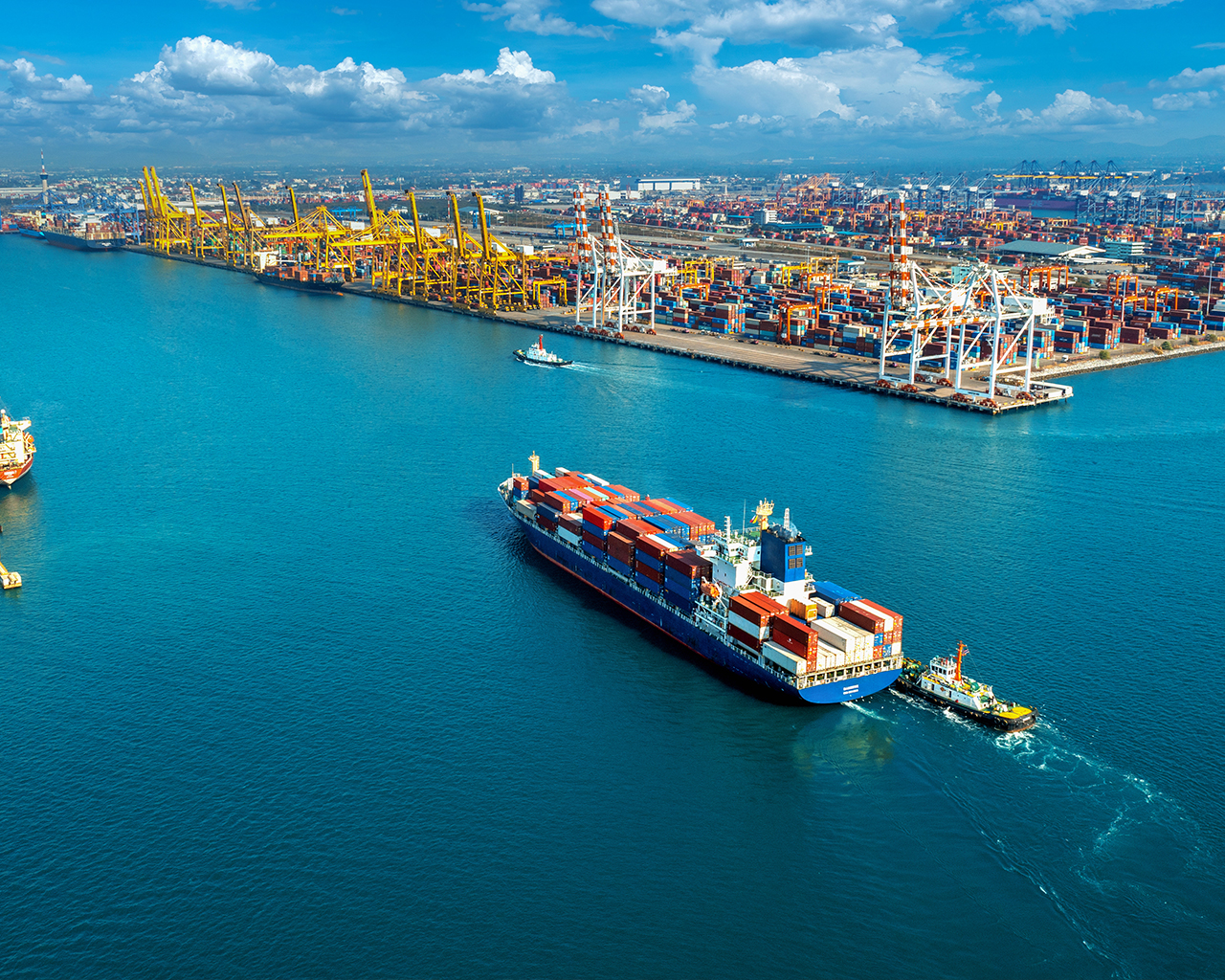
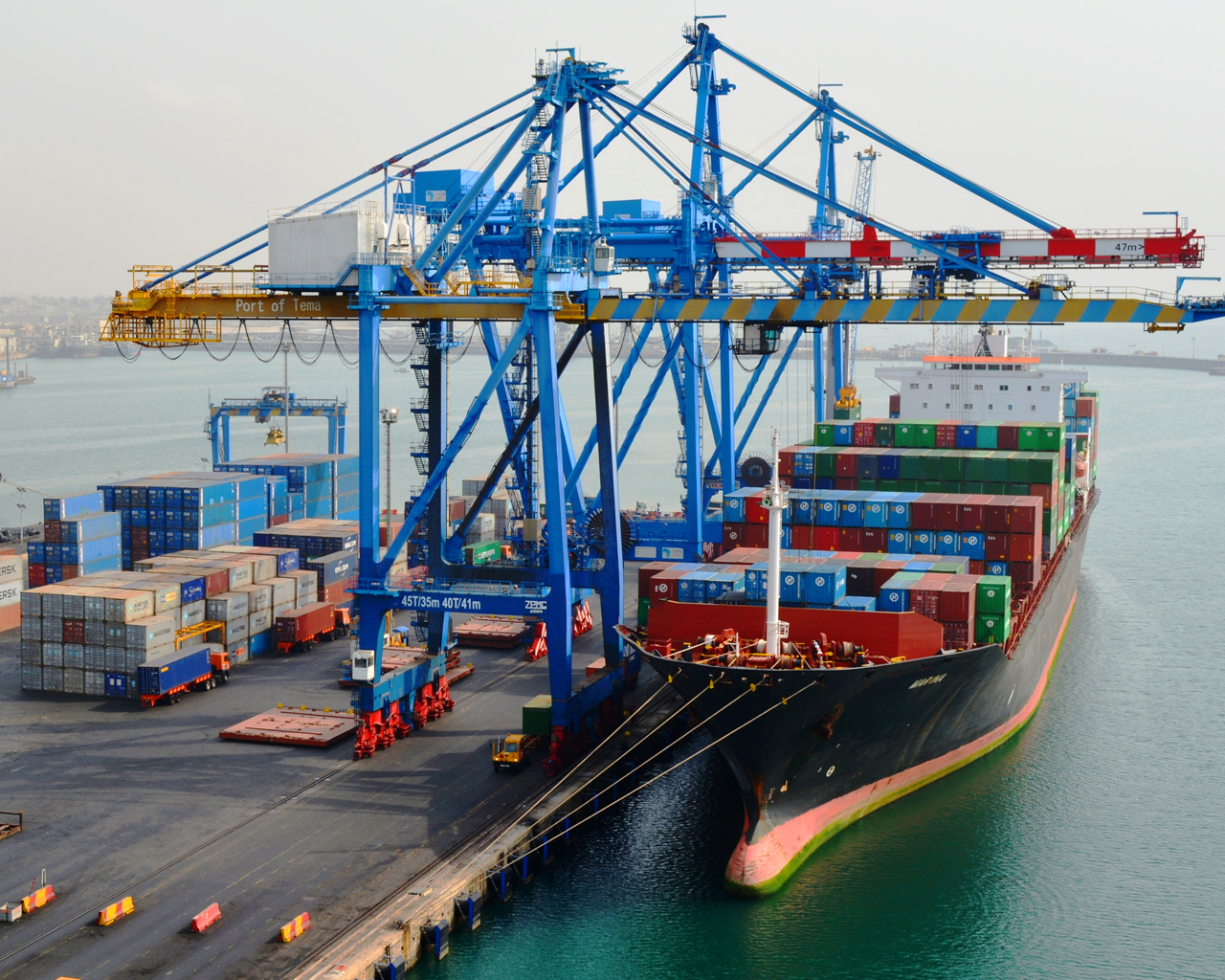
The King Abdullah Port in King Abdullah Economic City (KAEC) is now among the largest in the Red Sea. The Jeddah Islamic Port has undergone major capacity upgrades. Dammam’s King Abdulaziz Port — one of the busiest commercial ports in the Arabian Gulf — continues to expand its container and bulk cargo capabilities. These ports create the gateways through which goods flow in and out of the Kingdom, and logistics companies are the ones that bridge the gap between port terminals and the final destination.
On land, the Saudi Land Bridge — connecting the ports of Jeddah and Dammam by rail — is transforming domestic freight movement. The Saudi Railways (SAR) network expansion is enabling faster, more cost-efficient movement of goods across the vast geography of KSA, cutting transit times significantly and opening up new logistics corridors that benefit businesses and consumers alike.
Logistics companies that operate across air freight, sea freight, road transportation, and rail are now able to offer genuinely multimodal solutions — seamlessly integrating these new infrastructure assets to deliver goods faster, safer, and more cost-effectively than ever before. Infrastructure growth KSA is not just about roads and ports; it is about creating a connected, intelligent logistics ecosystem that supports Vision 2030 at every level.
Supply Chain Development: Powering the New Saudi Economy
The diversification goals of Vision 2030 are creating entirely new industries and scaling existing ones — and each of these requires sophisticated supply chain development to function. The Kingdom is actively growing its manufacturing base, pharmaceutical production, food processing, automotive assembly, renewable energy infrastructure, and technology sectors. Every one of these industries depends on reliable, efficient supply chains.
Logistics companies play a direct role in this supply chain development by providing the physical and digital infrastructure that keeps production lines moving, warehouses stocked, and customers satisfied. Modern logistics in Saudi Arabia is no longer just about moving boxes — it is about integrating with enterprise resource planning (ERP) systems, offering real-time tracking, managing complex customs clearance processes, and providing warehousing and distribution solutions that align with just-in-time manufacturing demands.
The growth of e-commerce in Saudi Arabia is another powerful driver of supply chain development. With one of the highest internet penetration rates in the Arab world and a young, digitally savvy population, Saudi consumers are ordering more goods online than ever before. This surge in B2C logistics demand is pushing companies to innovate their last-mile delivery networks, invest in warehousing near urban centers, and adopt technology-driven fulfillment solutions.
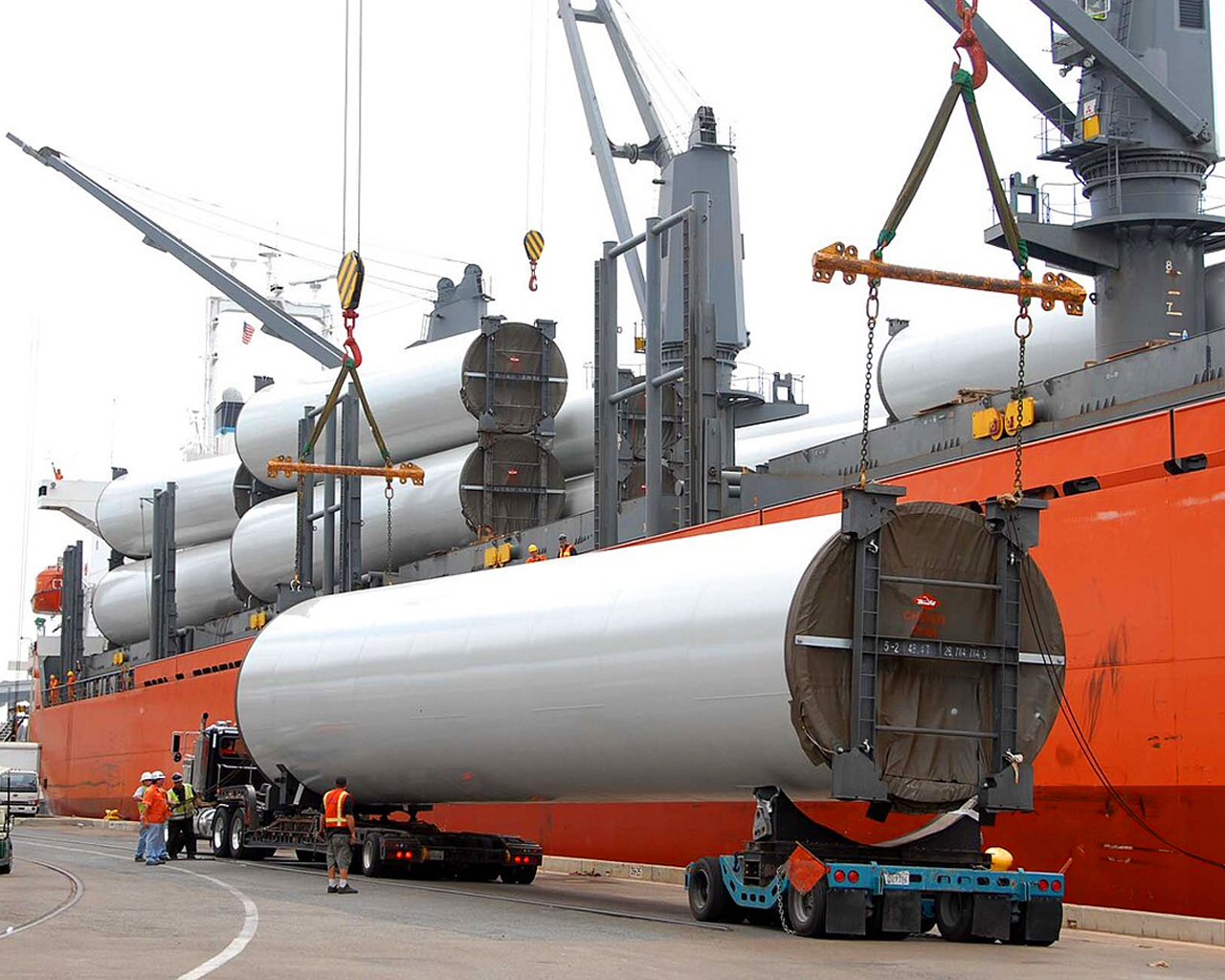
At the same time, giga-projects such as NEOM, Diriyah Gate, and the Red Sea Project require industrial-scale logistics operations. Construction materials, heavy equipment, specialized cargo, and project goods must be moved efficiently across challenging terrain and tight timelines. Logistics companies equipped with project cargo expertise, heavy transportation capabilities, and break-bulk handling are essential partners in delivering these landmark developments on schedule.
Logistics Investment Saudi Arabia: Attracting Global Capital and Expertise
Vision 2030 has dramatically improved the investment climate for logistics in the Kingdom. The Saudi government has introduced a range of reforms — from streamlining business registration and customs procedures to offering special economic zones and logistics parks with competitive incentives for operators. These reforms are attracting significant logistics investment in Saudi Arabia from both international corporations and domestic players.
Global logistics giants are establishing regional headquarters in Riyadh and other major cities, while Saudi companies are upgrading their fleets, technology platforms, and talent pools to compete at an international level. The government’s Saudi Customs authority has digitized many clearance processes, reducing dwell times at ports and borders — a development that directly benefits importers, exporters, and logistics service providers.
Free zones such as the King Salman Energy Park (SPARK) in the Eastern Province are creating dedicated logistics and industrial ecosystems where companies can operate with greater efficiency and reduced regulatory burden. These zones are magnets for logistics investment in Saudi Arabia because they offer integrated infrastructure, streamlined regulations, and direct access to major industrial customers.
For logistics companies operating in Dammam and the broader Eastern Province, the concentration of petrochemical, energy, and manufacturing activity creates a constant and growing demand for freight and supply chain services. The Eastern Province is emerging as a logistics hub in its own right, with Dammam serving as the gateway for goods moving across the Arabian Gulf and into the wider GCC region.
Economic Diversification Logistics: Beyond Oil, Toward a Connected Kingdom
The central goal of Vision 2030 is economic diversification — building a Saudi economy that thrives independently of oil revenue. This diversification relies heavily on logistics as an enabler. Every new factory, every new tourism destination, every new export product needs a supply chain. Economic diversification logistics is therefore not a niche service — it is a national imperative.
The tourism sector, one of Vision 2030’s crown jewels, requires entirely new logistics capabilities. Hotels, resorts, entertainment venues, and cultural attractions need reliable supply chains for food and beverage, furniture, consumer goods, and construction materials. As Saudi Arabia opens its doors to international visitors on an unprecedented scale, the logistics companies that support the hospitality sector become key contributors to the Kingdom’s diversification agenda.
The health and pharmaceutical sector is another priority under Vision 2030. Saudi Arabia is investing in domestic pharmaceutical manufacturing to reduce dependency on imports, and this requires temperature-controlled logistics, specialized warehousing, and precise customs clearance capabilities. Logistics companies that can manage cold chain operations and sensitive cargo are in high demand.
Sports, entertainment, and events — sectors that barely existed in the Kingdom a decade ago — now require complex event logistics, including project cargo movement, temporary warehousing, and specialized transportation. Saudi Arabia’s growing international profile as a host of major global events is creating new and exciting opportunities for logistics providers to demonstrate their capabilities on a world stage.
The Role of Technology in Vision 2030 Logistics
No discussion of Saudi Vision 2030 logistics is complete without addressing the role of technology. The Kingdom is investing in smart port technologies, digital customs platforms, warehouse management systems, AI-driven route optimization, and IoT-enabled cargo tracking. Logistics companies that embrace digital transformation are not only more competitive — they are better aligned with Vision 2030’s emphasis on a knowledge-based, technology-driven economy.
Blockchain-based supply chain transparency, automated customs documentation, and cloud-based freight management platforms are becoming standard tools for leading logistics operators in KSA. These technologies reduce errors, cut costs, improve visibility, and enable logistics companies to serve their clients with the speed and precision that Vision 2030 demands.
GCC transportation corridors are also becoming more integrated through technology. Logistics companies offering cross-border road transport between Saudi Arabia, the UAE, Kuwait, Bahrain, Qatar, and Oman are benefiting from digital trade facilitation initiatives that simplify customs procedures and reduce border crossing times. This regional connectivity is a key pillar of Saudi Arabia’s ambition to become the logistics hub of the Middle East.
Velolog: A Logistics Partner Built for Vision 2030
At Velolog, we understand that logistics is not just a support function — it is a strategic driver of Saudi Arabia’s national vision. Based in Dammam and operating across the Kingdom and the GCC, we provide a comprehensive range of logistics services designed to meet the complex, evolving needs of businesses operating in Vision 2030’s new Saudi economy.
Our services span air freight, sea freight, road transportation, customs clearance, project cargo, heavy transportation, break-bulk handling, warehousing and distribution, GCC transportation, door-to-door delivery, and industrial packing and moving. Whether you are moving construction equipment for a giga-project, managing import clearance at Dammam port, or building a regional distribution network, Velolog has the expertise, infrastructure, and commitment to deliver.
We believe that every shipment carries a story — a promise to a customer, an opportunity for a business, a contribution to national growth. Our team treats your cargo as its own, with care, precision, and accountability at every step of the journey. Our 24/7 support ensures that every challenge is managed and every need prioritized, because in logistics, reliability is everything.
Conclusion: Logistics Is the Engine of Vision 2030
Saudi Vision 2030 is reshaping the Kingdom’s economic landscape in ways that will be felt for generations. The logistics industry in Saudi Arabia is not a passive observer of this transformation — it is an active participant, enabling every sector, supporting every project, and connecting every corner of the economy.
From infrastructure growth KSA to supply chain development, from attracting logistics investment in Saudi Arabia to enabling economic diversification across every industry, logistics companies are the invisible backbone that makes Vision 2030 possible. As the Kingdom continues its remarkable journey toward a diversified, dynamic, and globally connected economy, the demand for expert, reliable, and forward-thinking logistics partners has never been greater.
For businesses looking to navigate this exciting landscape with confidence, Velolog is ready to be your trusted logistics partner — across miles, beyond limits.