

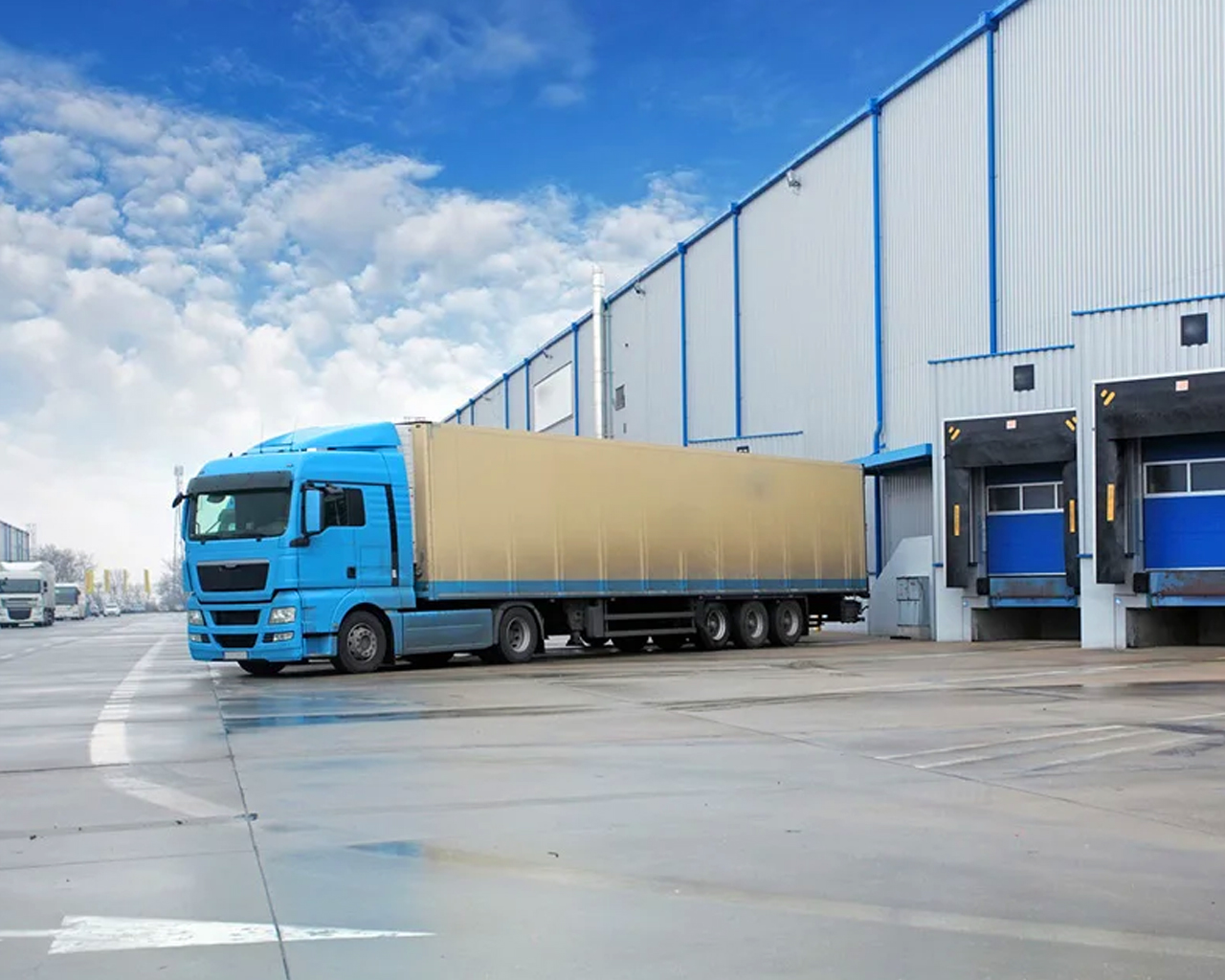






Picture this: your shipment just cleared customs at Jeddah port. Now it needs to reach a customer in Dubai, or a warehouse in Muscat. How does it get there? More often than you’d think — by truck on the region’s expanding highway network.
Road transportation is the backbone of GCC logistics, connecting ports to cities, warehouses to customers, and countries across the Arabian Peninsula. If you’re doing business here, understanding why reliable road transport matters is essential for your success.
The Geography Factor
The GCC isn’t like Europe with its dense rail networks or the US with extensive domestic shipping. Road transport is how most goods move within and between the six member states.
Key distances that make road freight ideal:
- Riyadh to Dubai — ~850 km
- Dammam to Muscat — ~1,000 km
- Kuwait City to Doha — ~600 km
These distances are too far to be impractical by truck, yet too short to justify air or sea for domestic movements. The region’s modern highway infrastructure — multi-lane highways, well-maintained surfaces, and improving border facilities — makes road transport increasingly efficient.
Cross-Border Trade Realities
Moving goods between GCC member states involves more than just driving across a border. Each crossing has its own:
- Documentation requirements
- Processing procedures
- Potential delays
Even with the GCC customs union and trade agreements, paperwork matters. Experienced providers know what each border requires, how to prepare shipments properly, and how to handle issues when they arise — turning what could be a nightmare into a routine, predictable process.
Speed and Flexibility Advantages
Road transport offers flexibility that other modes simply can’t match:
- Door-to-door delivery — no additional port or airport handling
- Route adaptability — alternate routes when needed, extra stops when required
- Speed — a truck leaving Riyadh can reach Dubai in under 12 hours
- Cost efficiency — fast enough for urgent needs at a fraction of air freight cost
The Reliability Question
Reliable road transport means:
- Properly maintained trucks with low breakdown rates
- Well-trained drivers familiar with routes and regional regulations
- Real-time GPS tracking for full shipment visibility
- Systematic maintenance, driver management, and route planning
Unreliable transport creates cascading problems — delayed deliveries, missed customer orders, damaged reputation, and lost future sales. Quality providers prevent these issues rather than just reacting to them.
Climate Challenges and Solutions
The GCC climate is harsh. Summer temperatures regularly exceed 45°C, which:
- Stresses truck engines and accelerates tire wear
- Can damage temperature-sensitive cargo
- Requires sand and dust filtration for mechanical components
Quality providers address this through:
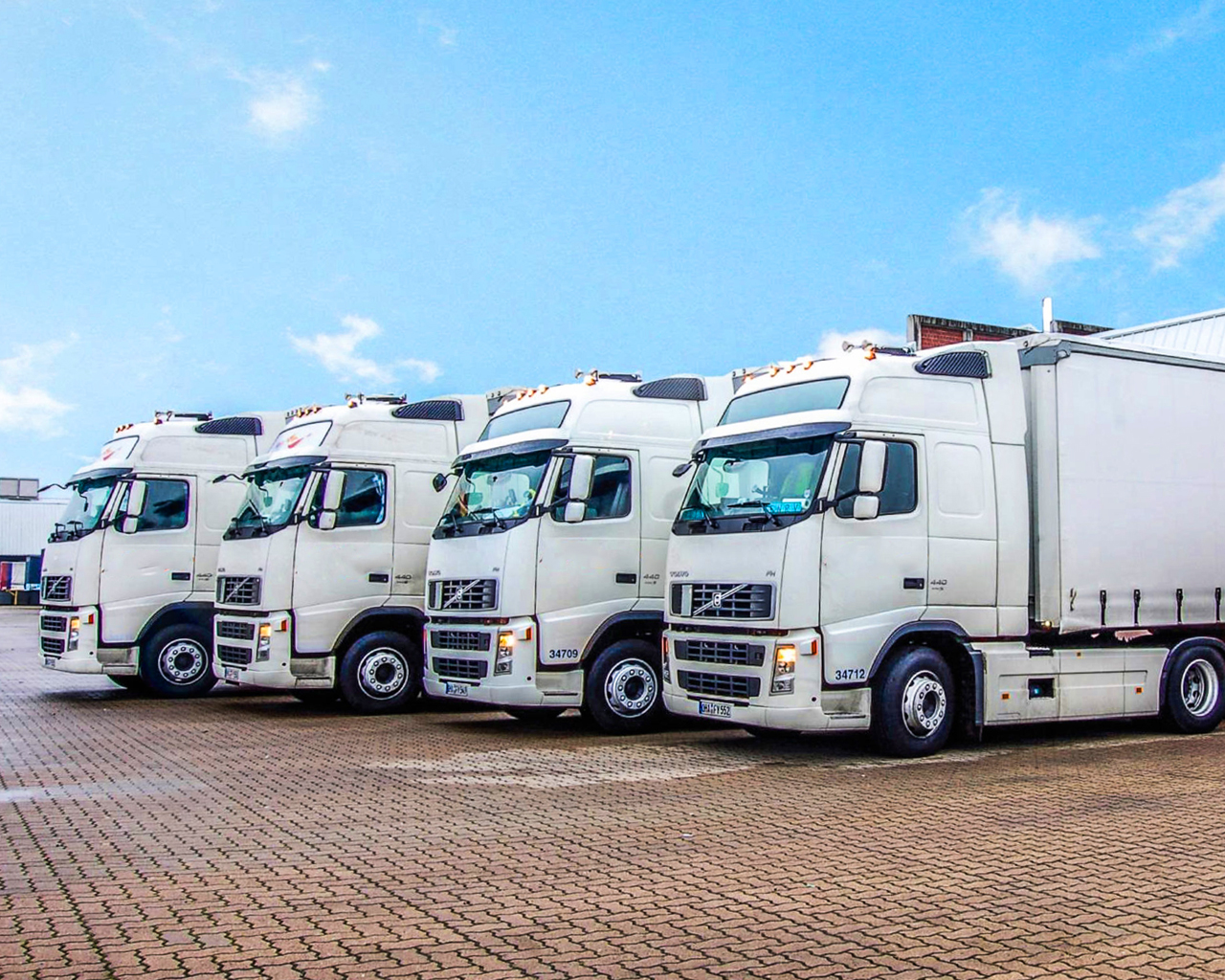
- Larger fleets of well-maintained trucks
- Climate-controlled and refrigerated trailers for sensitive cargo
- More frequent maintenance schedules than in milder climates
Products like electronics, pharmaceuticals, cosmetics, and some food items require refrigerated transport — it’s mandatory, not optional.
Technology Transformation
Modern GCC road logistics looks vastly different from a decade ago:
- GPS tracking — real-time location updates, not just general areas
- Temperature sensors — continuous monitoring with alerts for refrigerated cargo
- Route optimization software — fastest, most fuel-efficient paths accounting for traffic and border hours
- Digital documentation — customs forms, bills of lading, and delivery receipts managed electronically, reducing errors and speeding up processing
Driver Quality and Training
A truck is only as reliable as the person driving it. Professional providers invest in:
- Rigorous driver recruitment and background screening
- Training in cargo handling, customs procedures, and emergency response
- Driver retention — experienced drivers know which border crossings move fastest, have relationships with customs officials, and can navigate obscure delivery locations
Security Considerations
Multiple security layers protect cargo in transit:
- GPS tracking for continuous location monitoring
- Sealed containers and tamper-evident seals to detect unauthorized access
- Chain of custody documentation for customs and insurance purposes
- Driver vetting and background checks to prevent internal security risks
- Additional measures (armed escorts, secure parking) for high-value shipments
Integration With Other Transportation Modes
Road transport rarely operates in isolation. It connects with other modes to create complete supply chains:
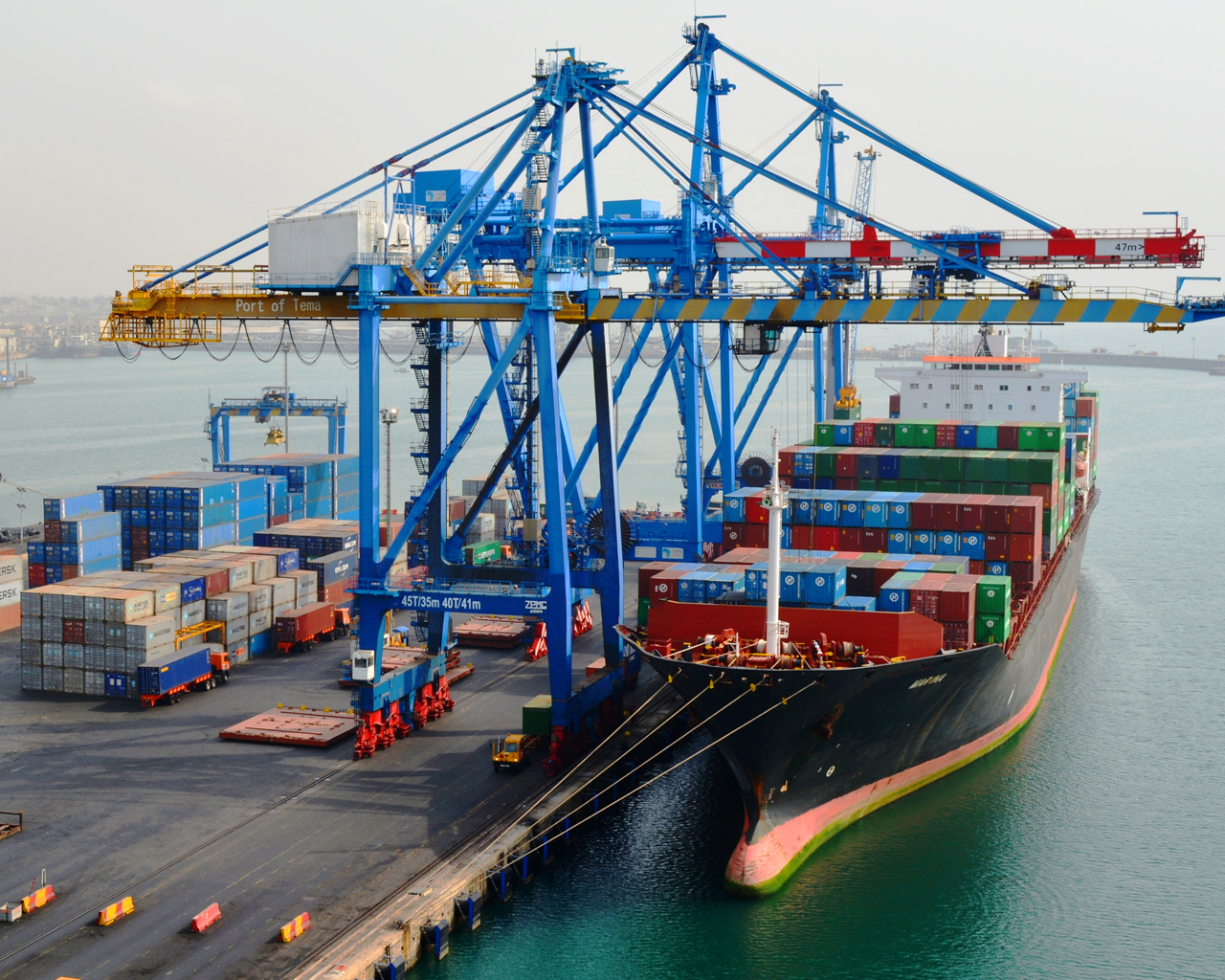
- Sea → Road: Cargo arrives at Jeddah port, trucks deliver to Riyadh warehouse, then distribute regionally
- Air → Road: Freight lands in Dubai, road transport handles last-mile delivery across the UAE
Quality providers orchestrate seamless transfers between modes, ensuring cargo flows from origin to final destination regardless of how many vehicles it requires.
Specialized Transport Requirements
Different cargo types have different needs:
- Hazardous materials — specially equipped trucks, trained drivers, specific routing, complex permits
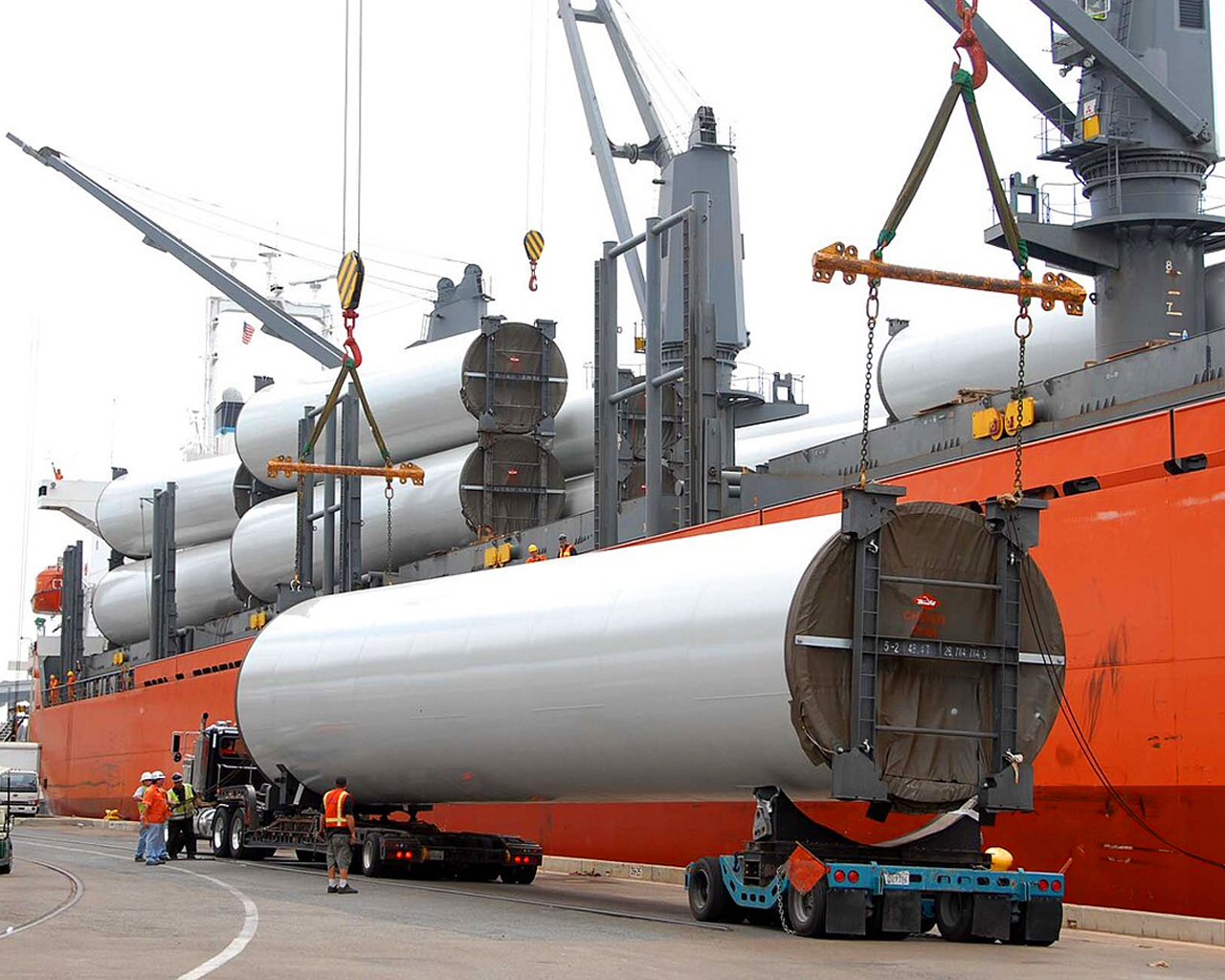
- Oversized/heavy cargo — special trailers, route surveys, possible movement hour restrictions
- Pharmaceuticals — strict temperature ranges, validated monitoring equipment, full documentation for regulatory compliance
Customs and Documentation Expertise
Getting trucks smoothly through customs is both an art and a science:
- Each country has its own entry requirements, commercial vehicle hours, and documentation standards
- Experienced providers prepare complete documentation packages that satisfy all likely requirements
- They maintain relationships with customs officials to smooth the process
- They resolve issues quickly to prevent cascading delays affecting deliveries, warehouse schedules, and driver assignments
Environmental Considerations
Sustainability is increasingly important, and the industry is responding:
- Newer truck models with better fuel efficiency and lower emissions
- Route optimization to reduce unnecessary mileage
- Consolidated shipments to reduce the number of trucks on the road
- Driver training in fuel-efficient techniques (steady speeds, reduced idling, proper tire inflation)
- Pilot programs for electric/hybrid vehicles on shorter urban delivery routes
Planning for Peak Periods
Demand for GCC logistics isn’t constant. Key peak periods include:
- Ramadan — massive spike in consumer goods
- Back-to-school season — education and stationery goods surge
- Year-end holidays — consumer and gifting rush
- Major events and festivals — localized demand surges
Tip: Book capacity well in advance of peak periods. Last-minute bookings during busy seasons can mean no capacity available at any price.
Communication and Visibility
You shouldn’t have to wonder where your shipment is. Modern providers offer:
- Real-time shipment tracking via online portals
- Estimated arrival times and delivery confirmations
- Automated notifications for key events (border crossings, delays, deliveries)
- Shareable tracking for your customers, reducing inbound inquiries
- Proactive communication when issues arise — not silence
Choosing the Right Road Freight Provider
When evaluating providers, ask about:
- Fleet quality — vehicle age, maintenance schedules, and breakdown rates
- Technology — real-time tracking, driver communication, route planning systems
- Cross-border experience — which countries they serve and their on-time delivery record
- Safety and compliance — insurance coverage, safety incidents, regulatory record
- Customer references — responsiveness when problems occur, delivery reliability
The Future of Road Freight in the GCC
The landscape continues to evolve rapidly:
- Infrastructure — new highways, enhanced border facilities, digital customs systems
- Autonomous trucks — may eventually handle certain routes
- Platooning technology — coordinated truck groups for better fuel efficiency and safety
- Blockchain documentation — could revolutionize customs clearance
- Deeper GCC economic integration — progressively smoother cross-border operations
- Environmental regulations — driving adoption of cleaner vehicles and more efficient operations
The Bottom Line
Reliable road transportation isn’t just one piece of your logistics puzzle — it’s the piece that connects everything else together.
To leverage road freight effectively:
- Map your actual transportation needs — destinations, frequency, speed requirements, special cargo needs
- Don’t decide on price alone — factor in reliability, damage rates, and customer satisfaction impact
- Build relationships with reliable providers — consistency beats constantly chasing small price differences
- Plan ahead, especially for peak periods and cross-border shipments
In a region where road transport dominates domestic and intra-regional freight movement, having a reliable partner isn’t optional — it’s essential for business success. The trucks rolling across GCC highways carry more than just cargo. They carry your reputation, your customer promises, and your business results. Make sure they’re in good hands.
Looking for a dependable road transport partner across the GCC? Get in touch with Velolog today and let our logistics experts streamline your road freight operations.