






The Middle East has always sat at the crossroads of global trade, and Saudi Arabia has long been one of its most vital logistics hubs. But as the ongoing regional crisis continues to reshape shipping lanes and freight corridors, transhipment in Saudi Arabia faces a level of complexity that few supply chain professionals have seen before. From Red Sea shipping disruptions to shifting cargo volumes across the Kingdom’s major ports, the Saudi Arabia logistics crisis of 2025–2026 has forced shippers, freight forwarders, and logistics providers to completely rethink how cargo moves through the region.
Understanding Transhipment and Why It Matters in Saudi Arabia
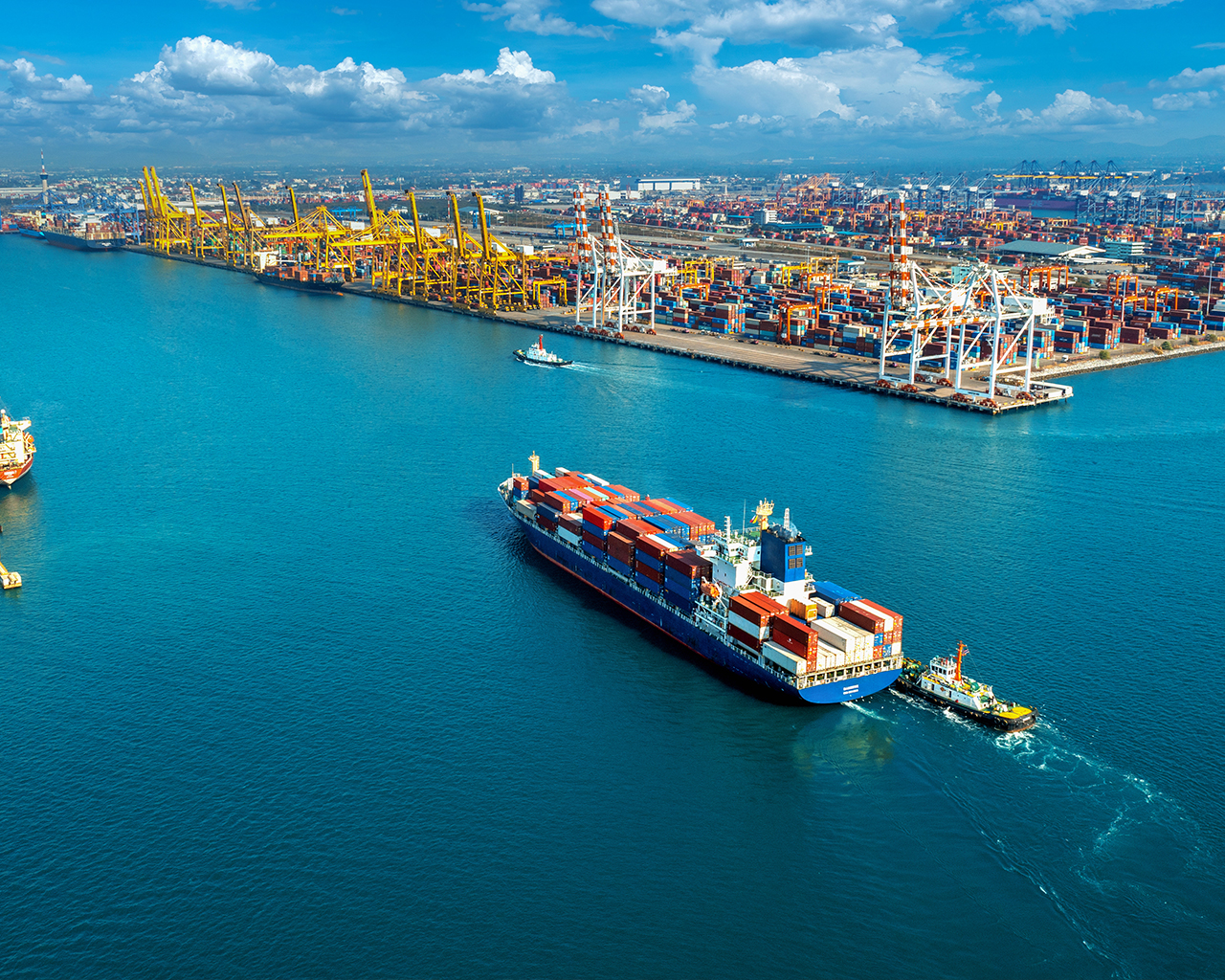
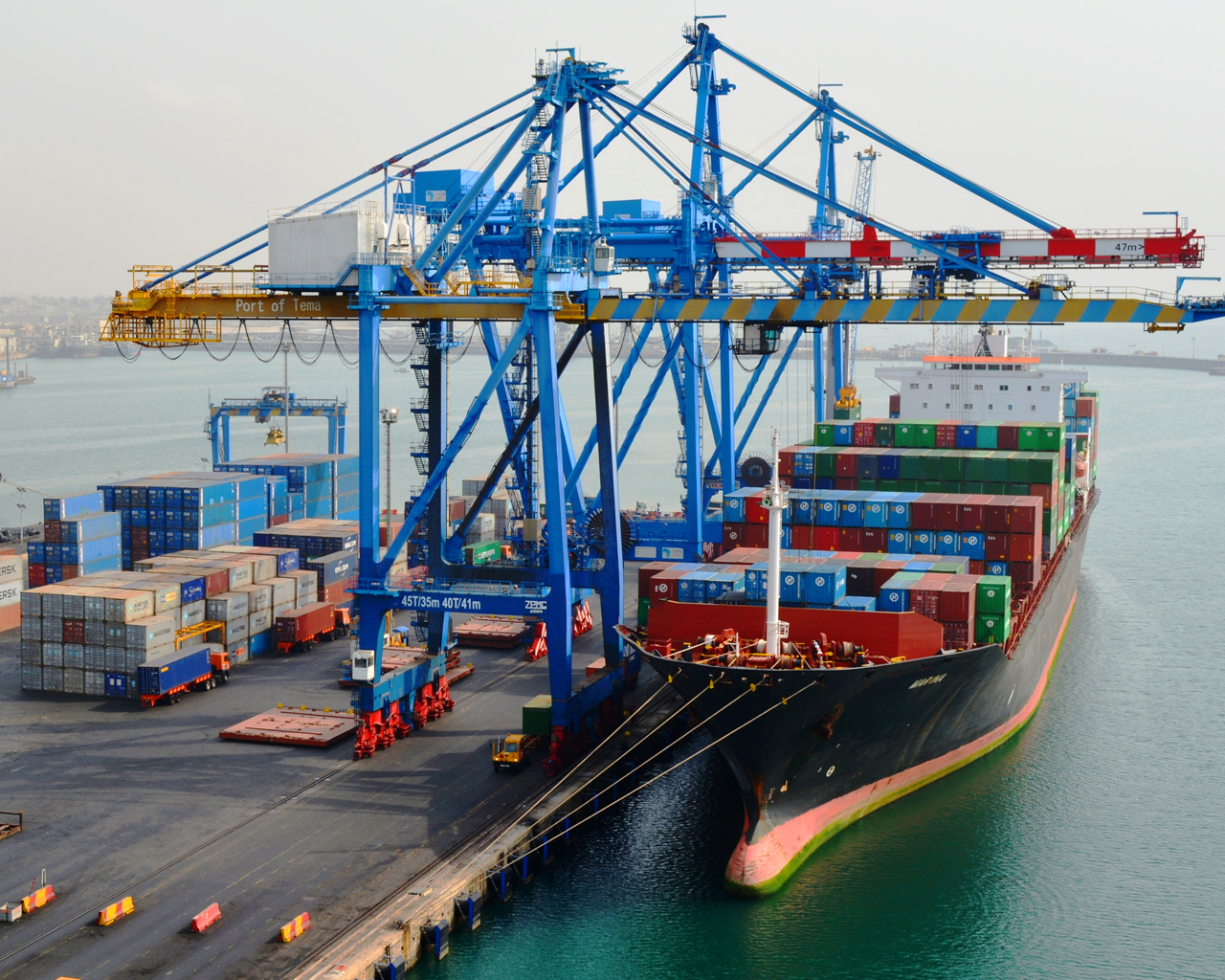
Transhipment is the process of transferring cargo from one vessel or mode of transport to another at an intermediate point before it reaches its final destination. For Saudi Arabia, this function is not merely operational — it is strategic. The Kingdom’s ports, particularly King Abdulaziz Port in Dammam and the Islamic Port of Jeddah, serve as critical relay points for cargo moving between Asia, Europe, and Africa.
Saudi Arabia’s geographic position allows it to act as a gateway for goods destined for the wider GCC market, East Africa, and even parts of South Asia. In normal conditions, transhipment operations run with predictable efficiency. However, the current regional crisis has introduced a cascade of disruptions that have tested even the most resilient logistics networks.
The Core Challenges: What Is Disrupting Transhipment Today?
1. The Red Sea Shipping Disruption
The Red Sea shipping disruption remains the single biggest factor reshaping transhipment flows across the region. Attacks on commercial vessels in the Red Sea and Gulf of Aden have caused major shipping lines to reroute their services around the Cape of Good Hope, adding approximately 10 to 14 days to voyages between Asia and Europe. The ripple effects of this freight rerouting have been significant:
- Fewer direct port calls at Jeddah, reducing the volume of transhipment cargo available for redistribution
- Increased vessel turnaround times, creating congestion at alternative hub ports
- Spike in freight rates due to longer transit distances and limited vessel availability
- Uncertainty in vessel scheduling, making it difficult for shippers to plan transhipment windows
2. Port Congestion and Capacity Pressures
As freight rerouting drives more cargo toward alternative corridors, ports that were not originally designed to absorb such volumes are now struggling with congestion. Freight forwarding through Dammam port has become increasingly complex as cargo volumes surge and berthing windows tighten. While the Saudi Ports Authority (Mawani) has worked to expand capacity and streamline operations, the sheer pace of rerouting has overwhelmed traditional processing timelines at several points in the chain.
3. Supply Chain Disruption Across the Middle East in 2026
The broader supply chain disruption across the Middle East in 2026 extends well beyond port congestion. Regional geopolitical instability has affected:
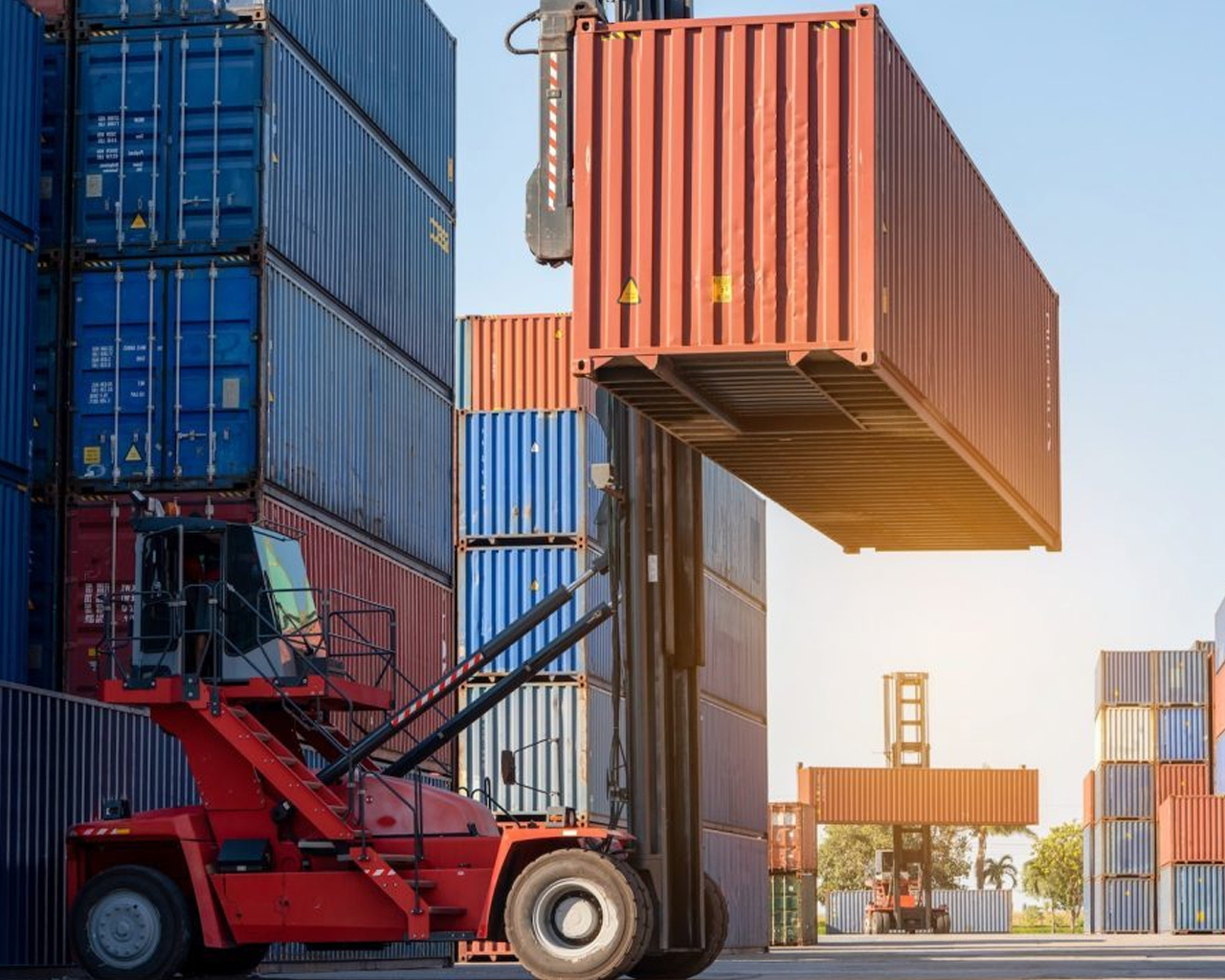
- The availability of shipping containers in the right locations at the right time
- Cross-border trucking routes used for inland distribution after transhipment
- Insurance costs for cargo and vessels transiting the region
- Customs processing timelines as authorities manage increased volumes and heightened security protocols
4. Elevated Freight Costs and Rate Volatility
Freight rate volatility has been one of the most painful consequences of the Saudi Arabia logistics crisis for importers and exporters alike. Spot rates on key trade lanes have fluctuated dramatically, making budget planning extremely difficult for businesses that depend on predictable logistics costs. Surcharges — including war risk premiums, bunker adjustment factors linked to longer routes, and port congestion fees — have added significantly to the landed cost of goods.
Strategies That Are Working: How the Industry Is Adapting
Despite the considerable challenges, the logistics industry operating in and around Saudi Arabia has demonstrated remarkable adaptability. Several key strategies have emerged as effective responses to the current disruption.
Diversifying Port Entry Points
Rather than relying solely on Jeddah as the primary western gateway, many logistics operators have shifted transhipment flows toward:
- Dammam (King Abdulaziz Port): Leveraging its position on the Arabian Gulf, away from the Red Sea threat zone, for cargo coming from Asia
- King Abdullah Port (Rabigh): An increasingly important option for cargo that needs flexible onward distribution
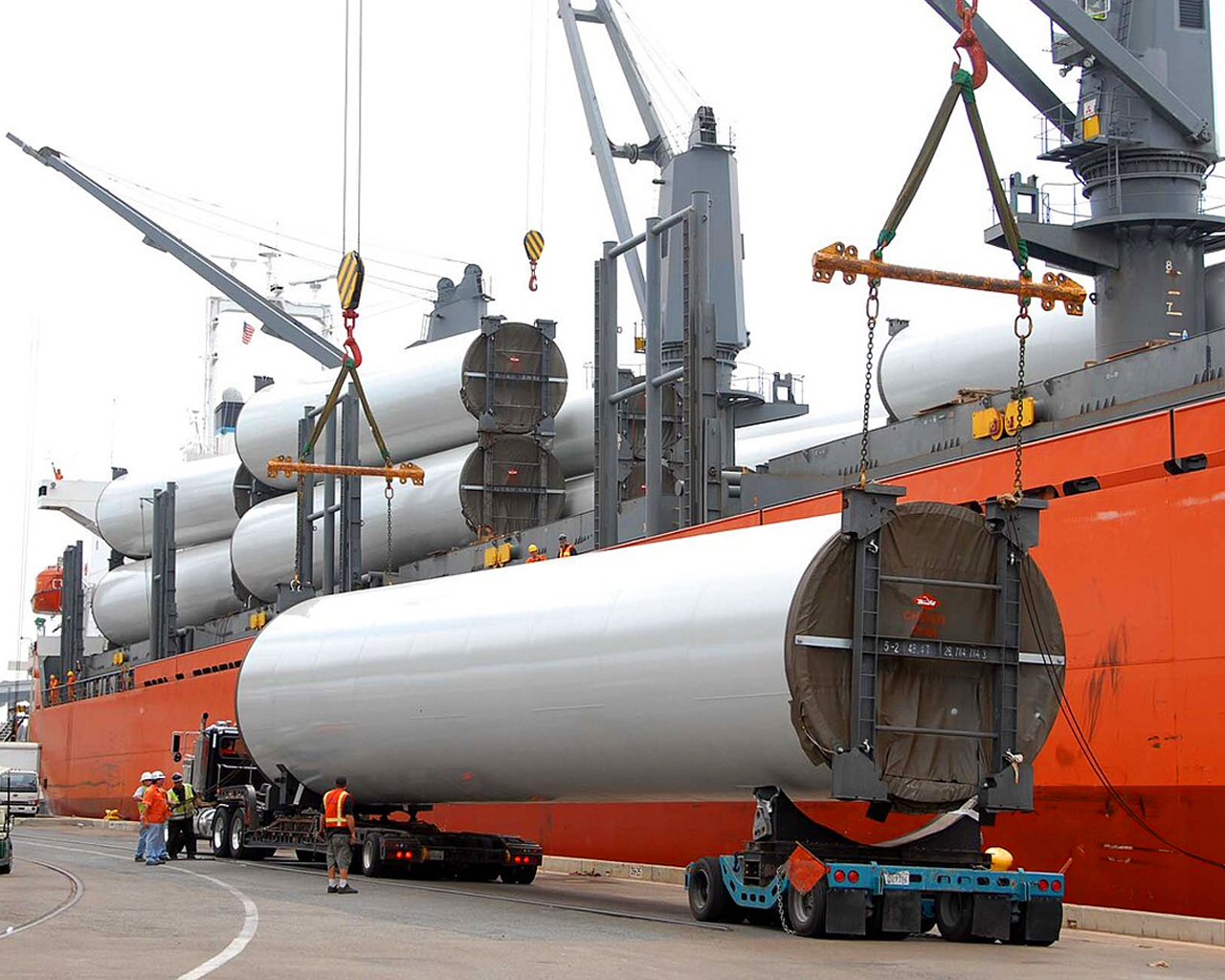
- Jubail Industrial Port: Used selectively for project cargo and industrial goods
This multi-port strategy reduces dependency on a single gateway and builds resilience into the supply chain.
Freight Rerouting Through the Arabian Gulf
With Red Sea transit risk elevated, freight rerouting through Arabian Gulf ports has gained significant momentum. Cargo that previously transited through Jeddah for onward distribution to the GCC is now arriving directly via Dammam or through Salalah in Oman and then moving overland. This shift has created new opportunities for freight forwarding through Dammam port, positioning it as a more central hub for regional distribution.
Air Freight as a Complementary Solution
For time-sensitive and high-value cargo, air freight has stepped in as a critical complement to sea-based transhipment. While not a full replacement due to cost and volume limitations, it has helped businesses maintain service levels for priority shipments during periods of severe sea freight disruption.
Strengthening Relationships with Local Freight Partners
In a disrupted market, local expertise matters more than ever. Companies with deep knowledge of Saudi customs procedures, port protocols, and inland transportation networks have been better positioned to navigate delays and find solutions quickly. Working with experienced freight forwarders who understand the nuances of freight forwarding at Dammam port — including documentation requirements, inspection protocols, and bonded warehousing options — has become a genuine competitive advantage.
Technology-Driven Visibility and Planning
Leading logistics providers have invested in digital tools to improve supply chain visibility during the crisis. Real-time cargo tracking, predictive analytics for vessel scheduling, and digital customs pre-clearance have all helped reduce dwell times and improve planning accuracy for transhipment operations.
The Road Ahead: What to Expect for Transhipment in Saudi Arabia
Looking forward, several developments will shape the future of transhipment in Saudi Arabia as the region works through its current challenges.
Saudi Arabia’s Vision 2030 logistics agenda remains firmly on course. Major investments in port infrastructure, special economic zones, and multimodal connectivity are laying the groundwork for Saudi Arabia to become one of the world’s top logistics hubs. The NEOM and Ras Al-Khair developments, along with expanded capacity at existing ports, will significantly increase the Kingdom’s ability to handle growing transhipment volumes.
The supply chain disruption across the Middle East in 2026 has also accelerated conversations about regional logistics resilience. Companies are increasingly evaluating their supply chains not just for efficiency but for robustness — building in redundancy, establishing safety stocks closer to demand centres, and working with logistics partners who can adapt quickly to shifting conditions.
The Red Sea shipping disruption is unlikely to resolve overnight, and even as security conditions evolve, the structural shifts in shipping routes may persist longer than many expect. Logistics operators and shippers who have adapted to Arabian Gulf routing and diversified their port strategies may well retain those practices even after conditions normalise, given the resilience benefits they have demonstrated.
How Velolog Supports Businesses Through the Crisis
At Velolog, we understand that the Saudi Arabia logistics crisis is not just a headline — it is a real operational challenge faced every day by businesses trying to keep their supply chains moving. As a trusted freight forwarding and logistics solutions provider based in Dammam, we are at the heart of the action, helping clients navigate the complexities of transhipment in Saudi Arabia with confidence.
Our services are designed to meet the demands of a disrupted environment:
- Sea Freight: Flexible routing options across Arabian Gulf and Red Sea corridors, with strong carrier relationships to secure capacity even in tight markets
- Customs Clearance: Expert handling of documentation and compliance at Dammam port and across Saudi entry points
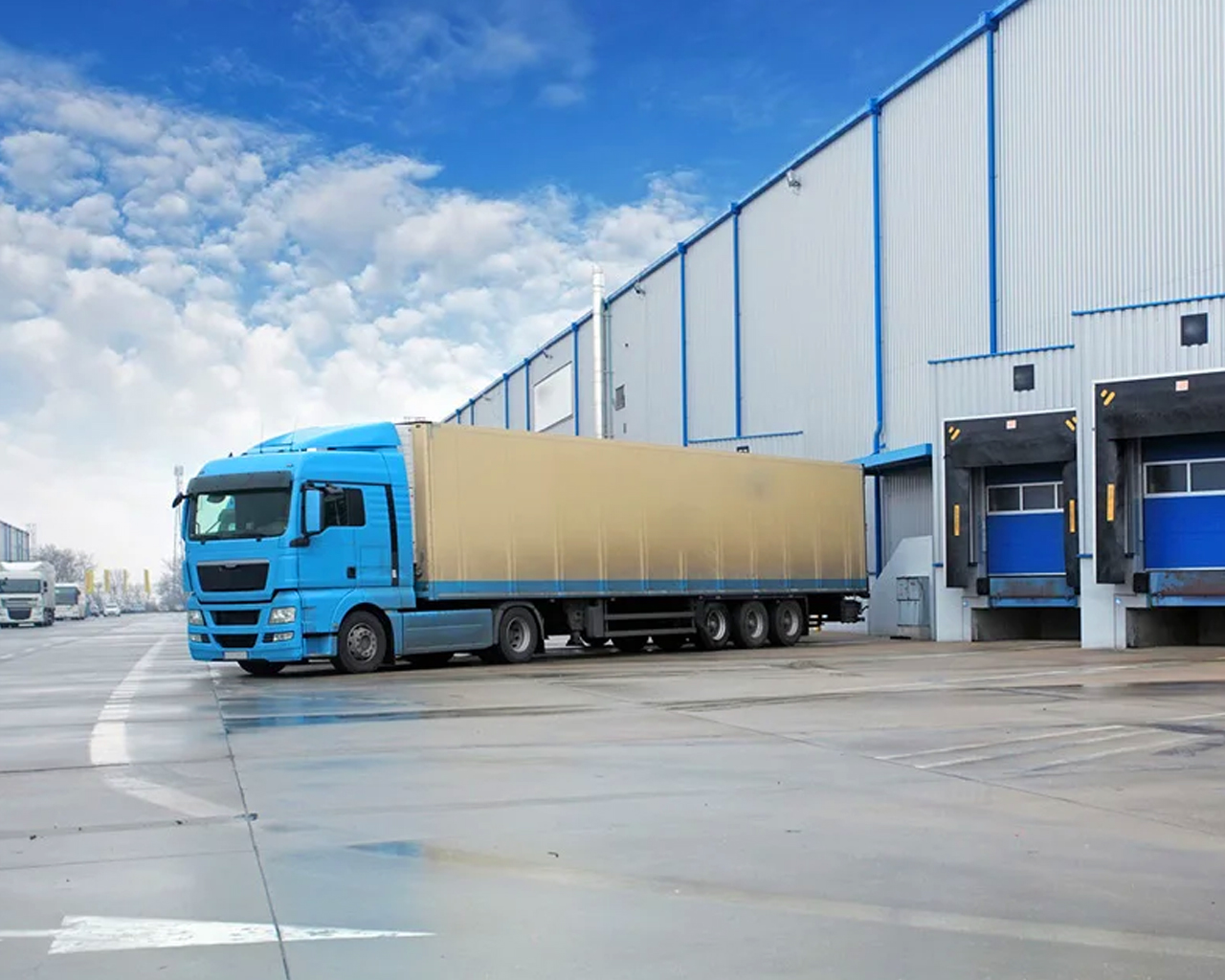
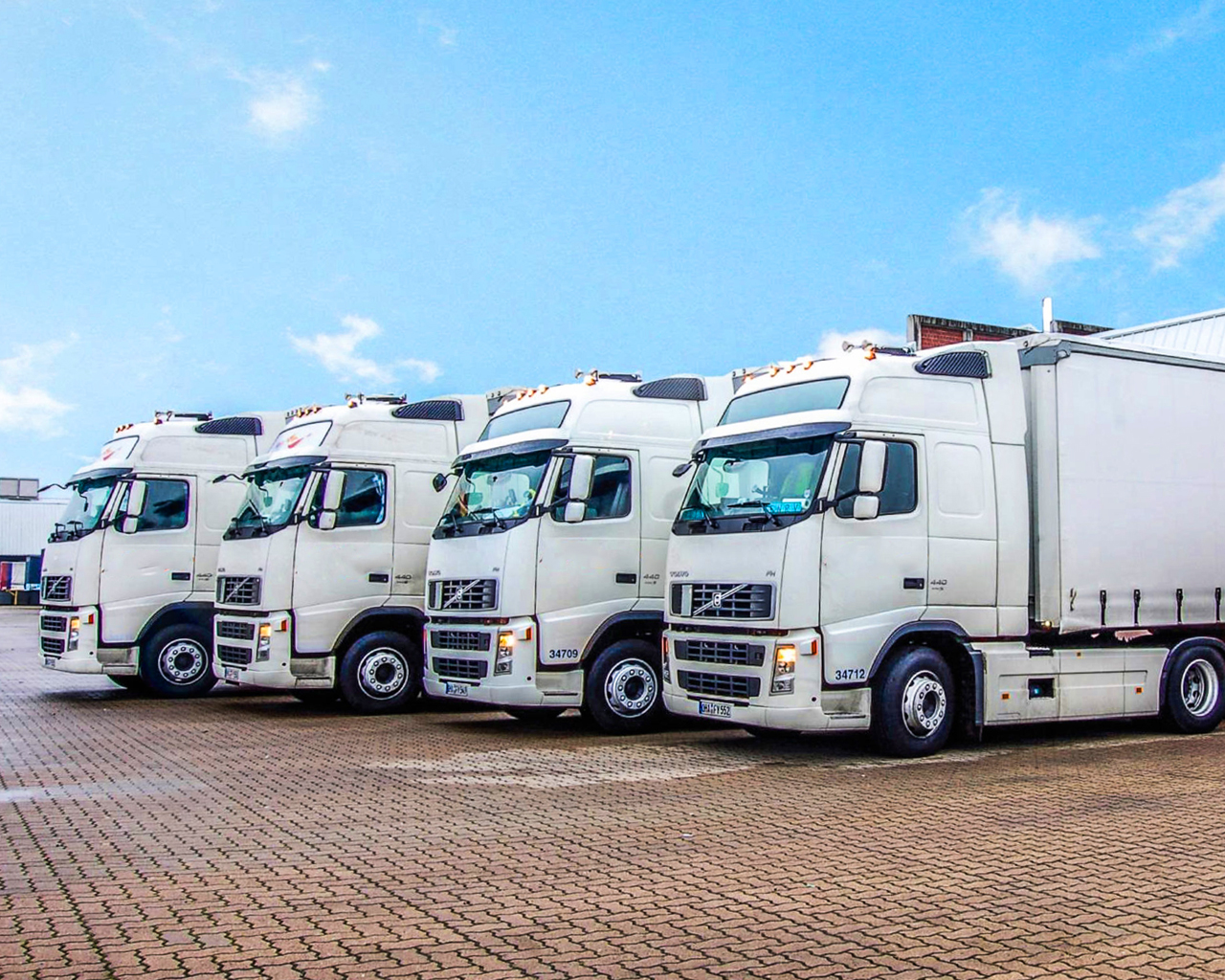
- Road Transportation & GCC Distribution: Reliable inland distribution networks to move transhipped cargo efficiently to its final destination
- Warehousing & Distribution: Strategically located facilities to hold cargo when schedules shift and ensure seamless onward movement
- Air Freight: Rapid solutions for priority cargo that cannot wait for sea freight windows
Final Thoughts
The regional crisis has fundamentally tested the assumptions that underpinned transhipment in Saudi Arabia for decades. But it has also revealed the Kingdom’s strategic importance and the depth of capability that experienced logistics partners bring to the table. The businesses that will emerge strongest from this period are those that have used the disruption as a prompt to build more flexible, diversified, and resilient supply chains.
If your business is navigating the impact of Red Sea shipping disruption, freight rerouting challenges, or rising costs at Dammam port, Velolog is ready to help. Reach out to our team today and discover how we can keep your cargo moving — across miles, beyond limits.