








In today’s fast-paced global economy, the efficiency of your supply chain can make or break your business. Whether you are a growing e-commerce brand, a manufacturing company, or an enterprise managing complex cross-border operations, selecting the right logistics partner is one of the most critical decisions you will make. The wrong choice can lead to delays, damaged goods, inflated costs, and frustrated customers. The right one, however, can elevate your operations, strengthen your supply chain management, and give you a powerful competitive edge.
This guide walks you through everything you need to consider when choosing a logistics company that truly aligns with your business goals.
Why Your Choice of Logistics Partner Matters
A logistics partner is far more than a vendor that moves boxes from one location to another. They are an extension of your brand. Every delayed shipment, every mishandled cargo, every poor customer experience reflects directly on your business — not just on the logistics company you hired.
The right logistics partner contributes to:
- On-time deliveries that build customer trust and loyalty
- Cost efficiency through optimised routing and freight consolidation
- Scalability to support your business growth without operational bottlenecks
- Risk mitigation through proper cargo handling, insurance, and compliance
- Seamless supply chain management from origin to final destination
In regions like Saudi Arabia and the GCC, where infrastructure, regulations, and trade corridors are constantly evolving, partnering with an experienced and locally knowledgeable logistics company is even more essential.
Key Factors to Consider When Choosing a Logistics Partner
1. Define Your Business Logistics Needs First
Before evaluating any logistics company, take stock of your own requirements. Not all businesses have the same logistics profile. A business shipping industrial equipment has very different needs from one shipping consumer electronics or perishable goods.
Ask yourself:
- What types of cargo do I ship — standard, heavy, project cargo, or break bulk?
- Which modes of transport do I need — air freight, sea freight, road, or multimodal?
- Do I need warehousing and distribution services in addition to transportation?
- Am I shipping domestically, regionally (GCC), or internationally?
- How frequently do I ship, and in what volumes?
Answering these questions gives you a clear framework for freight company selection that matches your operational reality.
2. Evaluate Industry Experience and Expertise
Experience is non-negotiable when it comes to logistics. A logistics company with deep industry knowledge understands the nuances of customs regulations, port procedures, documentation requirements, and seasonal freight patterns — all of which can significantly impact your supply chain.
Look for a logistics partner that:
- Has a proven track record in your specific industry or cargo type
- Understands regional trade routes and regulatory landscapes, especially for GCC transportation
- Demonstrates expertise in customs clearance to prevent costly delays at borders and ports
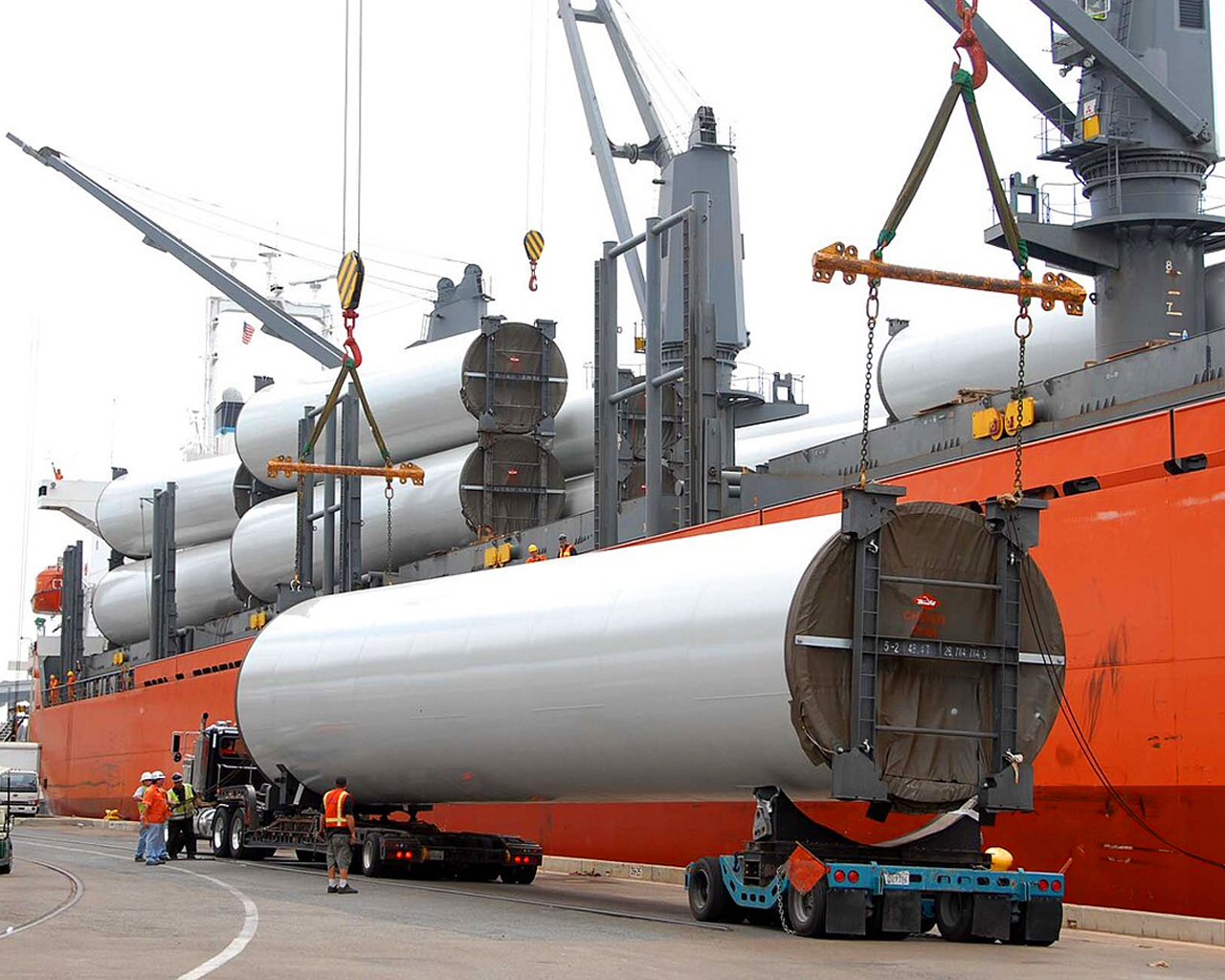
- Has handled complex cargo solutions, including heavy transportation, project cargo, and break bulk shipments
3. Assess the Range of Cargo Solutions Offered
A full-service logistics company gives you the flexibility to scale your operations without the hassle of coordinating multiple vendors. The broader and more integrated the service offering, the smoother your supply chain management will be.
The ideal logistics partner should offer end-to-end cargo solutions, including:
- Air freight for time-sensitive shipments
- Sea freight for cost-effective bulk cargo movement
- Road transportation for domestic and regional deliveries
- Customs clearance for smooth import and export processing
- Door-to-door cargo services for complete convenience
- Warehousing and distribution for inventory management
- Project cargo and heavy transportation for oversized or industrial goods
- Industrial packing and moving for safe, damage-free handling
Having all these services under one roof reduces coordination complexity, lowers administrative burden, and creates a more cohesive supply chain.
4. Check Technology and Tracking Capabilities
In a world where customers expect real-time visibility, your logistics partner must offer reliable shipment tracking and digital communication tools. Outdated systems result in poor visibility, reactive problem-solving, and avoidable disputes.
Evaluate the logistics company’s technology stack:
- Do they offer real-time shipment tracking?
- Can you access shipment status updates through a digital portal or notifications?
- How do they manage documentation — digitally or manually?
- What systems do they use for warehouse management and inventory tracking?
Technology-enabled logistics not only improves transparency but also helps you make data-driven decisions to continuously optimise your supply chain management.
5. Prioritise Reliability and On-Time Performance
Reliability is the backbone of any great logistics partnership. Consistent on-time delivery performance directly impacts your customer satisfaction scores, your production schedules, and your overall business reputation.
When assessing reliability, consider the following:
- Client testimonials and reviews — What do existing customers say about their delivery experience?
- On-time delivery rates — Ask for performance metrics or case studies
- Contingency planning — How does the company handle disruptions such as port congestion, weather delays, or customs holds?
- Communication standards — Will you receive proactive updates, or will you have to chase for information?
A trustworthy logistics partner keeps you informed at every step and takes ownership of challenges rather than deflecting responsibility.
6. Evaluate Customer Support and Responsiveness
Logistics is a 24/7 operation. Cargo does not wait for business hours, and neither should your support. When a shipment is delayed or a document is missing, you need a logistics company that responds immediately and resolves issues efficiently.
Key indicators of strong customer support include:
- 24/7 availability for urgent enquiries and emergency support
- A dedicated account manager who understands your business
- Fast response times across phone, email, and messaging channels
- Proactive communication about potential delays or issues before they escalate
7. Consider Scalability and Long-Term Partnership Potential
Your logistics needs today may look very different in two or three years. A good logistics partner grows with you. Whether you are expanding into new markets, increasing your shipment volumes, or diversifying your cargo types, your logistics company should have the capacity and flexibility to scale alongside your business.
Questions to ask:
- Can they handle increased volumes during peak seasons?
- Do they have a regional or international network to support your expansion?
- Are they open to customising solutions as your business evolves?
- What is their track record with long-term business partnerships?
8. Compare Pricing Transparently — Not Just the Cheapest Option
Cost is always a factor in freight company selection, but it should never be the only one. Choosing the cheapest option often leads to hidden costs — damaged cargo, missed deadlines, or poor service that eventually costs more to fix.
Instead, look for:
- Transparent, itemised pricing with no hidden fees
- Value for money — what service quality do you get for the price?
- Flexible pricing models that suit your shipment frequency and volume
- Long-term partnerships that may offer preferential rates as your business grows
Red Flags to Avoid in a Logistics Company
Not every logistics company delivers on its promises. Be cautious if you notice:
- Vague or inconsistent answers about their service capabilities
- No references, case studies, or verifiable client reviews
- Lack of proper licensing, certifications, or insurance
- Poor communication during the initial inquiry stage
- Pressure to commit quickly without adequate time to evaluate
Why Velolog Is the Right Logistics Partner for Your Business
At Velolog, we understand that every shipment carries more than goods — it carries your reputation, your commitments, and your customers’ trust. As a leading logistics company based in Dammam, Saudi Arabia, we offer a comprehensive suite of cargo solutions designed to meet the diverse needs of businesses across the Kingdom and beyond.
Our services span air freight, sea freight, road transportation, GCC transportation, customs clearance, door-to-door cargo, warehousing, heavy transportation, project cargo, break bulk, industrial packing, and more. With a dedicated team available around the clock, we deliver not just shipments — we deliver peace of mind.
Whether you are refining your supply chain management strategy or looking for a reliable freight company that can scale with your growth, Velolog has the expertise, infrastructure, and commitment to make it happen — across miles, beyond limits.
Conclusion
Choosing the right logistics partner is a strategic decision that shapes the efficiency, reliability, and reputation of your business. By evaluating experience, service range, technology, reliability, and long-term fit, you can identify a logistics company that does more than move cargo — one that moves your business forward.
Take the time to ask the right questions, look beyond pricing, and invest in a partnership built on trust, transparency, and performance. The right cargo solutions provider will not just solve today’s logistics challenges — they will be the foundation of your supply chain success for years to come. Ready to find your ideal logistics partner? Contact Velolog today and let our team craft a customised solution for your business.