

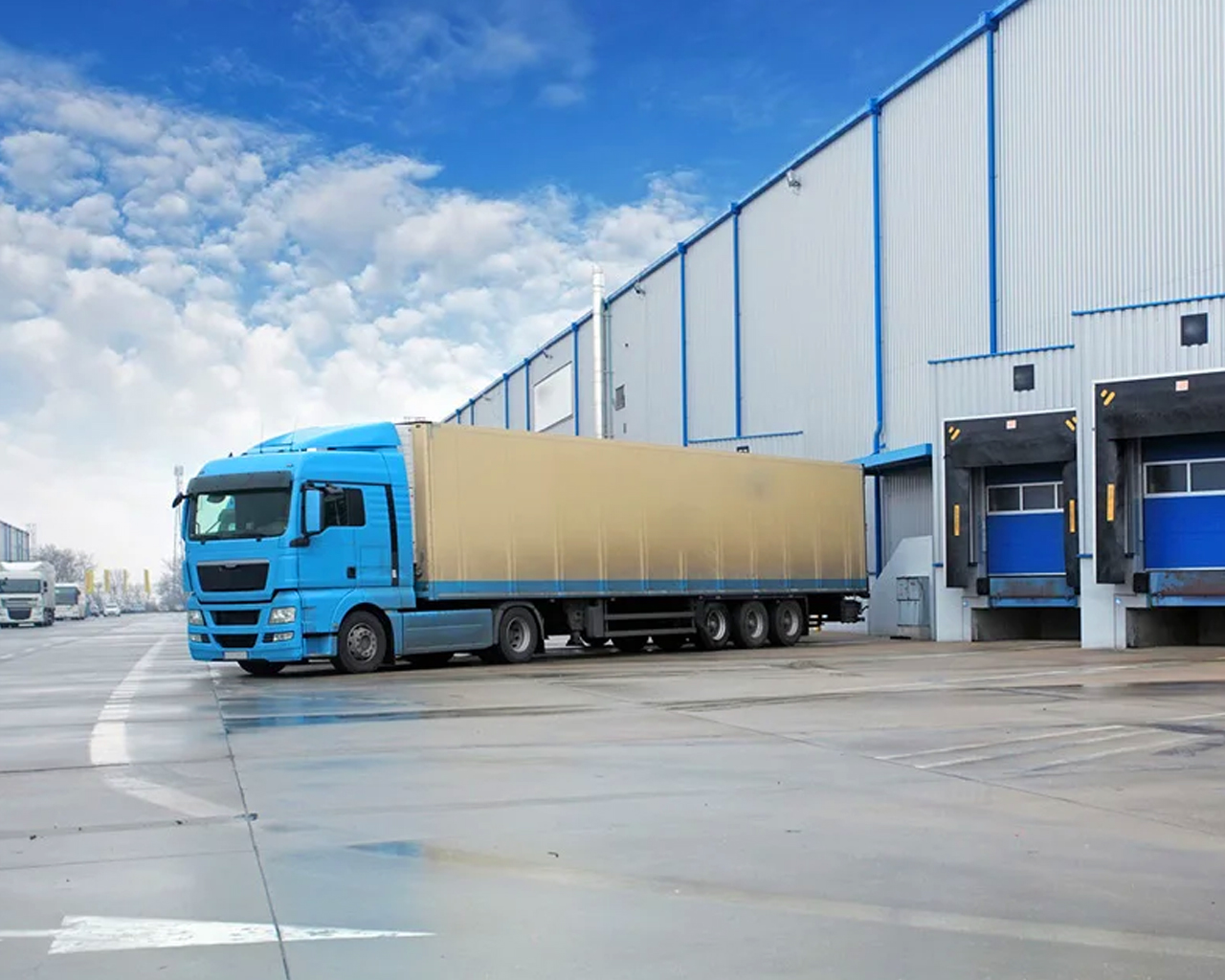


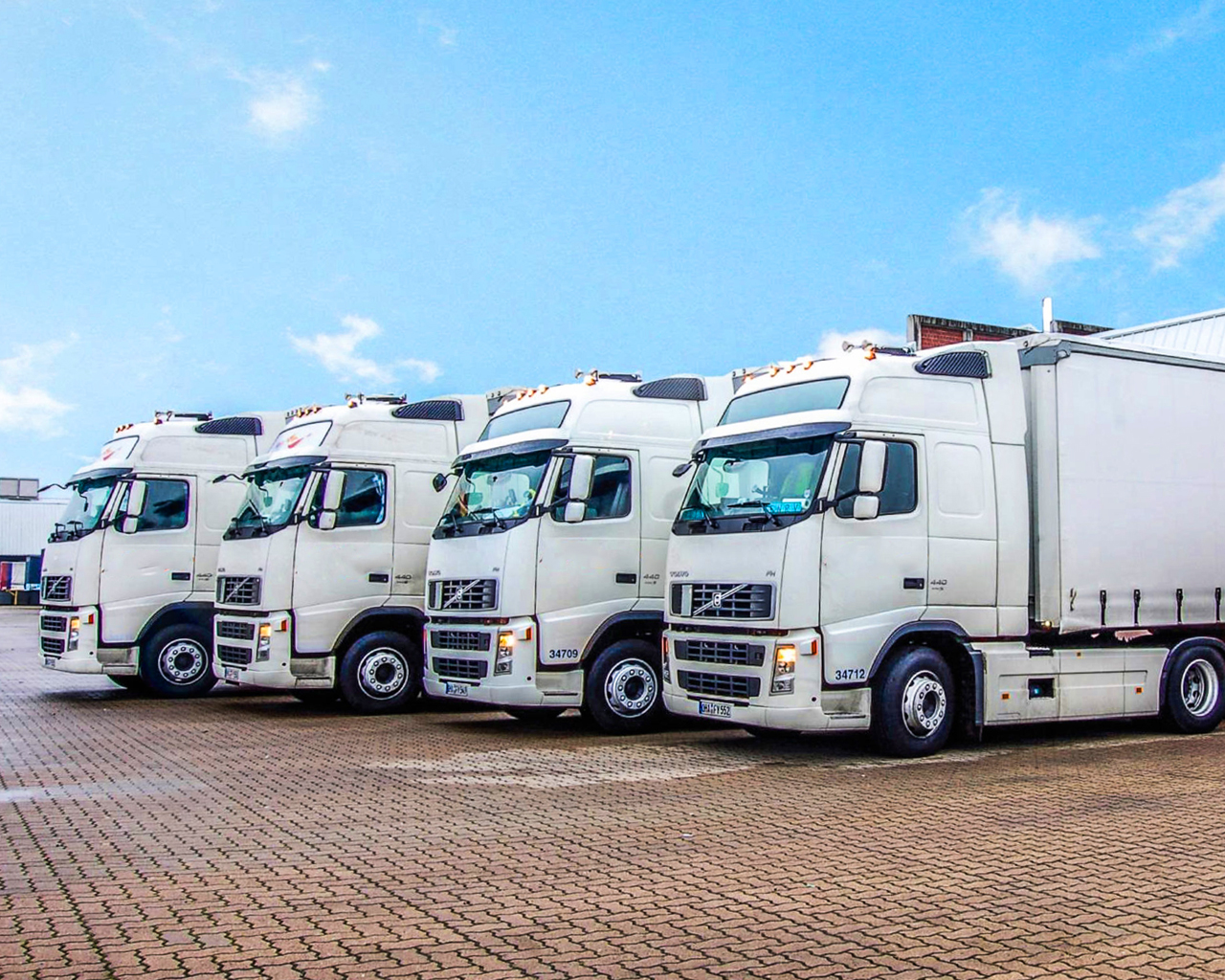





Your products need somewhere to live between the factory and your customer’s hands. That somewhere is a warehouse — and how you manage that space can make or break your business. In Saudi Arabia and the broader GCC region, understanding warehousing services isn’t just helpful — it’s essential.
Warehousing Isn’t Just Storage Anymore
Twenty years ago, a warehouse was simple — shelves, forklifts, and boxes. Today’s facilities are technology hubs where sophisticated software manages every movement and real-time data drives decisions.
When you partner with quality supply chain storage solutions, you’re tapping into systems that:
▸ Track individual items across every stage of storage and movement
▸ Predict when you’ll need to restock before you run out
▸ Optimize storage locations for faster, more efficient picking
▸ Coordinate seamlessly with your transportation and distribution networks
Location, Location, Location
Where you store products determines delivery speed, transportation costs, and inventory efficiency. Strategic locations near Riyadh, Jeddah, and Dammam give access to the bulk of the Saudi market — but it goes deeper than city proximity.
Quality warehousing services in Saudi Arabia factor in:
▸ Port & airport proximity — faster handling of international shipments
▸ Highway network access — efficient nationwide distribution routes
▸ Climate conditions — critical for temperature-sensitive inventory
▸ Centralization vs. regional hubs — depends on your product mix and customer locations
The Technology Revolution
Warehouse Management Systems (WMS) orchestrate everything. These sophisticated software platforms know exactly where every item is stored, when it arrived, when it needs to ship, and the most efficient path for workers to retrieve it. They can predict busy periods, automatically reorder supplies, and generate detailed reports on warehouse performance.
Walk into a modern warehouse and you’ll find technology at every turn. Three core systems drive operations today:
WMS Software
Orchestrates every item — tracking location, arrival, ship date, and optimal retrieval paths.
Barcodes & RFID
Full visibility from receiving, quality check, storage, picking, packing, and dispatch.
Automation
Conveyor systems, robotic pickers, and automated retrieval handle repetitive tasks at scale.
Distribution: The Other Half of the Equation
Storage is only half the story. Getting products from warehouse to customer is a complex optimization problem — and where many businesses struggle. Professional distribution logistics solves:
What Professional Distribution Logistics Solves
▸ Route optimization to minimize fuel costs and delivery times
▸ Coordinating time-sensitive deliveries alongside standard shipments
▸ Scheduling deliveries at convenient times for customers
▸ Handling wrong addresses, failed deliveries, and exceptions efficiently
▸ Managing returns so products re-enter inventory without delay
Climate Control Matters More Than You Think
In Saudi Arabia’s extreme climate, temperature control isn’t optional for many categories. Products that require it include:
▸ Electronics — sensitive to heat and humidity fluctuations
▸ Pharmaceuticals — legally mandated strict temperature ranges
▸ Cosmetics & food products — can degrade or separate in heat
▸ Certain industrial materials — require controlled environments to maintain quality
Leading facilities provide multiple climate zones — you pay only for the conditions your products actually need. Constant monitoring with automatic alerts ensures your inventory is protected before damage occurs.
Smarter Inventory Management
“Too much inventory ties up capital. Too little means lost sales. Modern warehousing helps you thread that needle.”
Advanced systems analyze your data and act automatically:
▸ Analyze sales patterns, seasonal trends, and supplier lead times
▸ Predict optimal reorder timing and quantities
▸ Position stock geographically for fastest possible delivery
▸ Auto-trigger supplier orders when stock hits threshold levels
Security & Safety Standards
Your inventory represents significant capital investment. Modern warehouses protect it through multiple layers:
▸ Perimeter fencing and controlled entry points — unauthorized access is prevented
▸ 24/7 CCTV surveillance across all warehouse and loading zones
▸ Access control systems that log who enters each area and when
▸ Fire suppression systems protecting both products and workers
▸ Certifications and compliance for regulated products like pharmaceuticals and food
Scalability: Growing Without Growing Pains
Owning a warehouse means expensive expansion when demand spikes. Flexible supply chain storage solutions let you scale on demand:
▸ Pay for less space during slow periods — scale up when business booms
▸ Add capacity without long-term lease commitments
▸ Ramp distribution logistics up for Ramadan, then back down after the holidays
▸ Ideal for businesses with seasonal peaks or unpredictable growth trajectories
Value-Added Services
Modern warehousing partners offer far more than storage. These services turn your warehouse into an active business asset:
Kitting & Assembly — store components separately and assemble to order, reducing inventory costs while maintaining flexibility
Labeling & Repackaging — customize products for different markets without maintaining separate SKUs
Quality Inspection — catch incoming damage or defects before they enter your inventory
Returns Processing — inspect, restock, or dispose of returned goods efficiently without creating bottlenecks
Integration With Your Business Systems
Your warehouse shouldn’t operate in isolation. Leading supply chain storage solutions connect with your existing tech stack so everything stays synchronized:
▸ Customer orders flow automatically from your website to the WMS
▸ Inventory levels update in real-time as shipments go out
▸ Accounting and purchasing systems stay current without manual data entry
▸ Proof of delivery feeds back into your records automatically
▸ Route optimization adjusts in real-time based on traffic and weather
Understanding Cost Structures
Warehousing pricing models vary — understanding them helps you choose the right partner:
▸ Space-based pricing — pay per sq. meter or pallet position; best for stable inventory levels
▸ Handling-based pricing — fees for receiving, picking, packing, and shipping; better for high-turnover operations
▸ Hybrid models — most professional providers combine both, with add-ons for value-added services
For distribution, pricing factors include distance, weight, volume, service level, delivery type, and remote area surcharges. Always demand full transparency.
Sustainability in Warehousing & Distribution
Environmental responsibility is increasingly a business requirement — not just a nice-to-have. Modern supply chain operations address it through:
▸ Energy-efficient lighting and climate control systems
▸ Solar panels and rainwater recycling at warehouse facilities
▸ Route optimization to reduce fuel consumption and emissions
▸ Consolidated shipments that minimize total vehicle trips
▸ Recyclable packaging replacing single-use plastics
How to Choose the Right Warehousing Partner
Not all warehouses are created equal. Use this checklist when evaluating providers:
▸ Visit the facility — organization, equipment condition, and worker procedures reveal everything
▸ Request a live demo of their WMS and confirm it integrates with your systems
▸ Verify security measures, insurance coverage, and damage resolution procedures
▸ Confirm they can handle your growth and seasonal fluctuations without strain
▸ Check certifications and compliance records for products similar to yours
The Future of Warehousing & Distribution
The warehouse of tomorrow is already taking shape. Key developments to watch:
▸ AI & Machine Learning — better demand prediction, inventory optimization, and pattern recognition at scale
▸ Advanced Robotics — handling more tasks with greater precision, freeing humans for complex work
▸ Autonomous Vehicles & Drones — transforming last-mile delivery as regulatory frameworks mature
Businesses that partner with progressive providers today will be best positioned to benefit as these innovations scale.
Making It Work for Your Business
Ready to optimize? Follow these steps to implement effective warehousing and distribution:
- Audit your current pain points — slow fulfillment, high storage costs, or delivery delays. Know what you’re solving for.
2. Define your ideal customer experience — delivery speed, tracking, and service options should guide your requirements.
3. Evaluate partners on capability, not just price — the cheapest option rarely delivers best value when service quality is factored in.
4. Plan your transition carefully — rushing a warehouse migration risks disrupting operations. Take time to do it right
Get Your Supply Chain Right
Warehousing and distribution create real competitive advantages — faster delivery, lower costs, and the ability to scale without friction. Your products, customers, and business success depend on getting them to the right place, at the right time, in the right condition. Partner with us today to streamline your supply chain and turn logistics into your strongest growth driver.
.