




Is sea freight really the most cost-effective way to ship internationally?
Yes, sea freight services remain the most economical option for international shipping, especially when moving large volumes or heavy cargo. The cost per unit drops significantly compared to air freight, making ocean transport the preferred choice for businesses importing machinery, furniture, electronics, raw materials, and consumer goods. While air shipping might deliver faster, the price difference can be staggering—sometimes ten times higher for the same shipment.
The beauty of sea freight services lies in their scalability. Whether you’re shipping a few pallets or multiple containers, ocean freight adapts to your needs without breaking your budget. Many businesses discover they can redirect the money saved on shipping toward other critical areas like marketing, product development, or customer service. The key is planning ahead and understanding your timeline, which allows you to leverage the cost advantages fully.
How long does ocean freight actually take from port to port?
Transit times for sea freight services vary based on your origin and destination, but most routes take between two to six weeks. Shipping from Asia to the Middle East typically requires two to three weeks, while European routes might take slightly longer. These timeframes cover port-to-port movement but don’t include customs clearance or inland transportation to your final warehouse or facility.
Understanding these timelines helps you plan inventory more effectively. Many successful businesses use sea freight forwarding strategically, ordering well in advance and maintaining appropriate stock levels. The predictability of shipping schedules means you can forecast arrivals with reasonable accuracy, helping you manage customer expectations and business operations smoothly.
What makes container shipping so reliable for businesses?
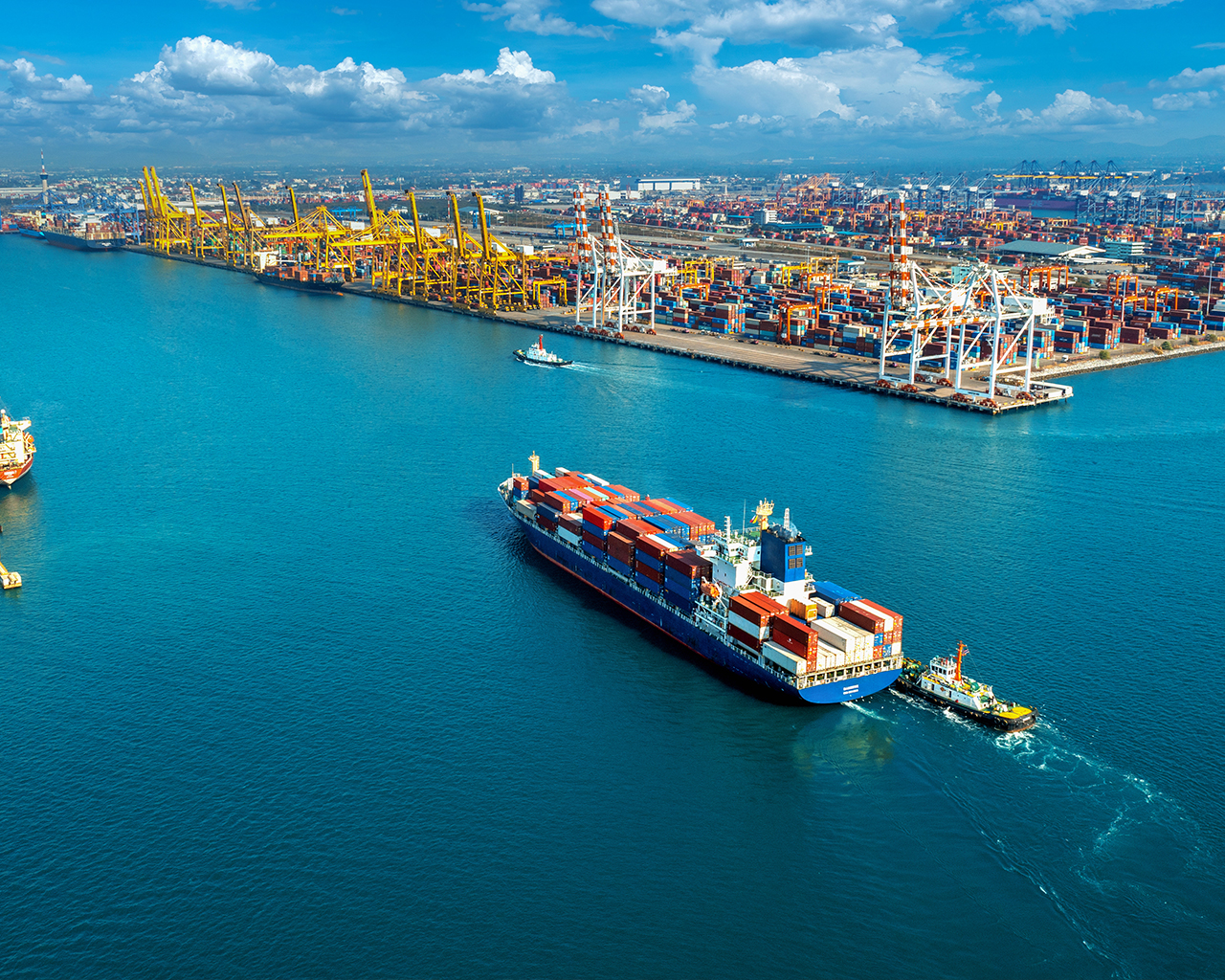
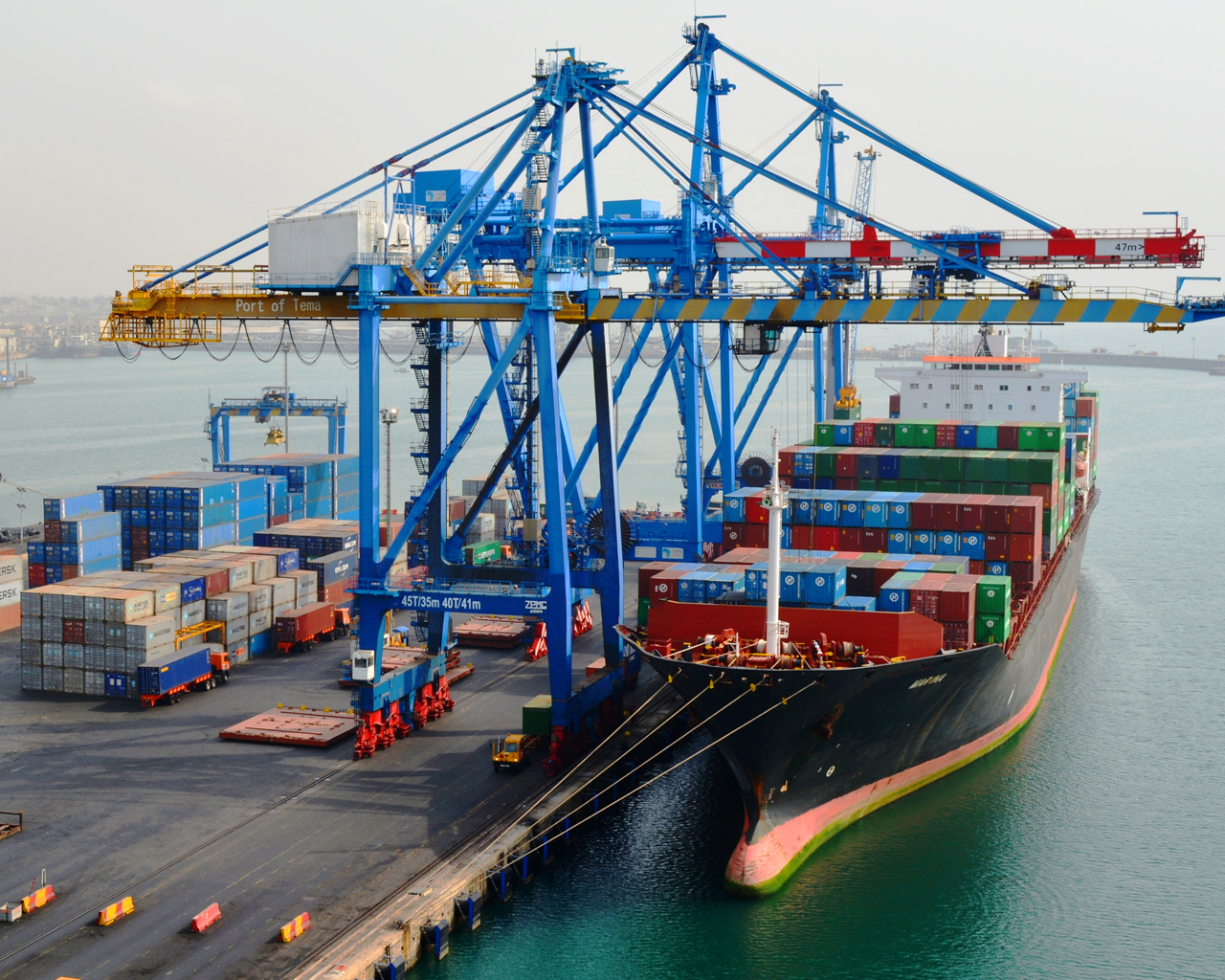
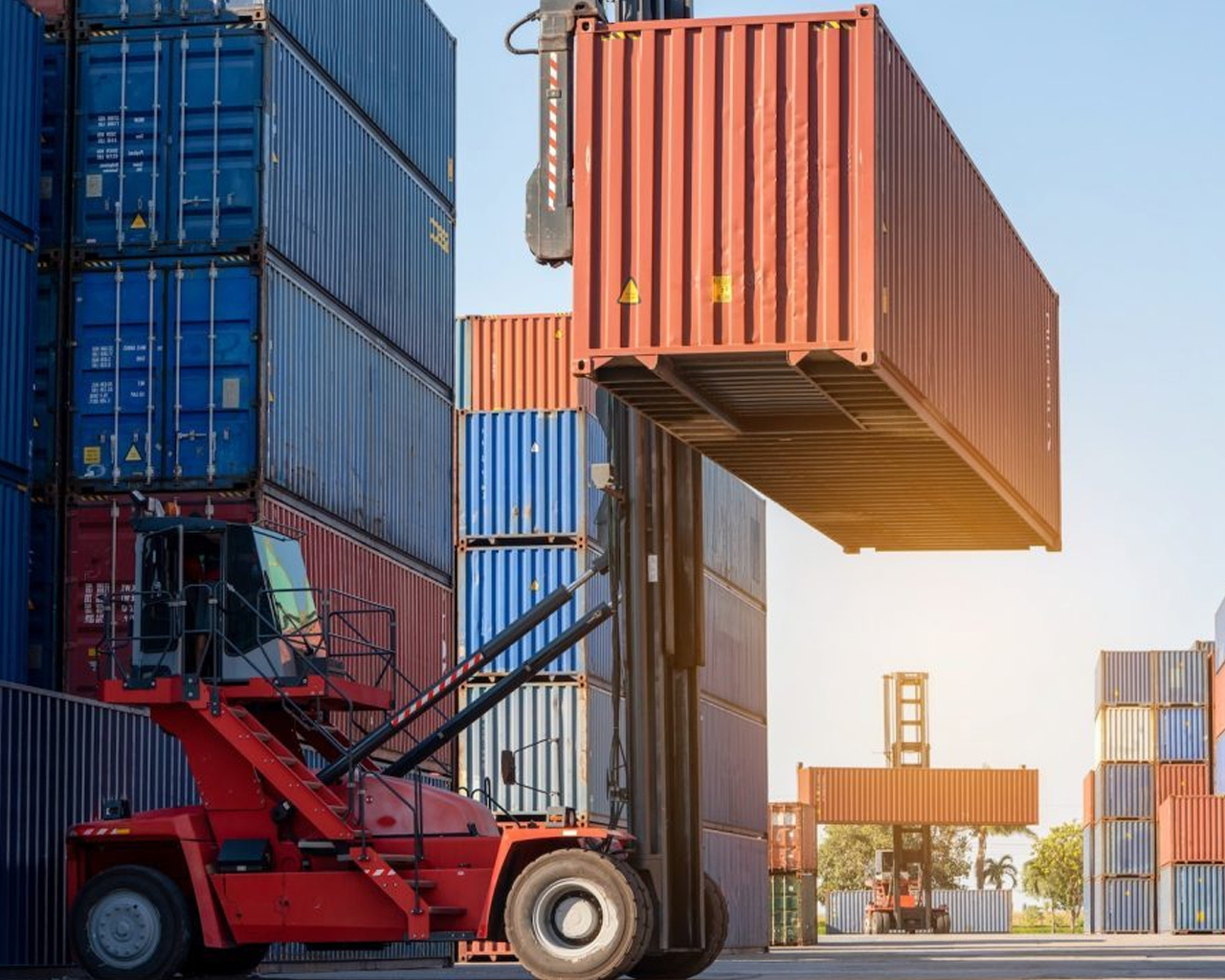
Modern sea freight services operate with impressive consistency, following established routes and schedules that businesses can depend on. Container ships run like massive floating warehouses, protecting your goods from the elements while crossing oceans. The standardization of containers revolutionized global trade, making loading, unloading, and tracking far more efficient than ever before.
Your cargo gets sealed in containers at the origin point and remains untouched until reaching the destination port. This security, combined with advanced tracking systems, gives you peace of mind throughout the journey. Professional sea freight forwarding companies manage every detail, from proper packing and securing to documentation and customs compliance, ensuring your shipment arrives safely.
Can smaller businesses benefit from sea freight services too?
Absolutely. You don’t need massive volumes to take advantage of sea freight services. Many smaller companies use LCL shipping, which stands for less than container load. This option lets you share container space with other shippers, paying only for the cubic meters your goods occupy. It’s like carpooling for cargo—economical and practical.As your business grows, you can transition to FCL or full container load shipping, which becomes more cost-effective at higher volumes. This flexibility makes sea freight services accessible regardless of your company size. Experienced freight forwarders guide you through choosing the right option based on your specific needs, budget, and timeline.
How do I know my goods are safe during ocean transport?
Sea freight services incorporate multiple protection layers to keep your cargo secure throughout its voyage. Containers withstand harsh ocean conditions, including rough seas and extreme weather. Modern cargo ships feature sophisticated stabilization systems and follow weather-optimized routes to ensure smooth sailing whenever possible.
Insurance options provide additional coverage, protecting your investment against unlikely events. The shipping industry has refined its practices over decades, developing robust systems for cargo handling, storage, and tracking. Professional sea freight forwarding companies ensure proper packing techniques, using dunnage, securing straps, and moisture barriers as needed for your specific cargo type.
What documentation does international ocean shipping require?
Successful sea freight services depend on accurate documentation including commercial invoices, packing lists, bills of lading, and certificates of origin. These documents facilitate customs clearance and prove ownership throughout the shipping process. While it might seem complex initially, experienced freight forwarders handle most paperwork on your behalf.
Your sea freight forwarding partner understands the requirements for different countries and product types, helping you avoid costly delays or compliance issues. They become your guide through international trade regulations, making sea freight services accessible even if you’re new to importing or exporting.Ready to streamline your international shipping? Contact Velolog Logistics today for a free consultation. Our experienced team will help you find the most efficient and cost-effective sea freight services for your business needs, ensuring your cargo arrives safely and on schedule.