






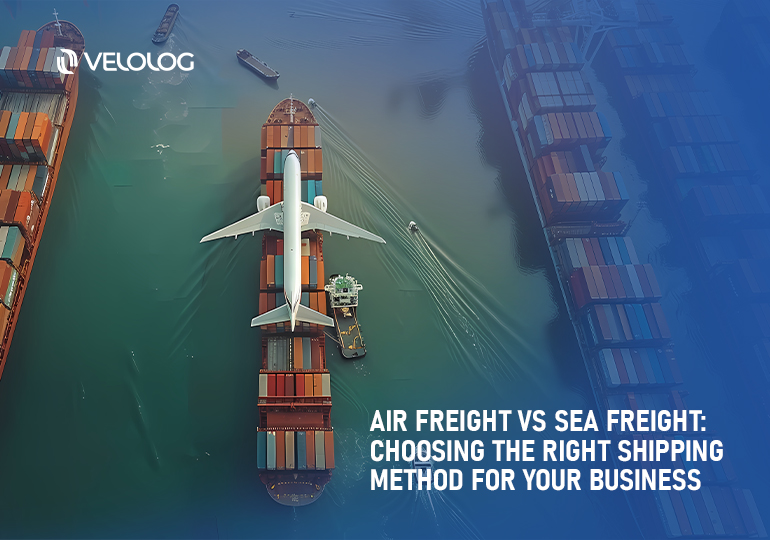
You’ve got a container of products ready to ship. The question staring you in the face is simple but crucial: should you ship by air or by sea?
If you’re running a business in Saudi Arabia or anywhere in the GCC, this decision affects your costs, your delivery times, and ultimately your customer satisfaction. Let’s break down what you really need to know about air freight services Saudi Arabia versus sea freight options, without the industry jargon that usually makes this topic more complicated than it needs to be.
The Speed Question
Let’s start with the obvious difference: speed.
Air freight services Saudi Arabia can get your shipment from Shanghai to Riyadh in a matter of days. We’re talking 3-7 days typically, sometimes faster for urgent shipments. Your products fly directly to King Khalid International Airport or King Fahd International Airport, clear customs, and you’re distributing to customers by the end of the week.
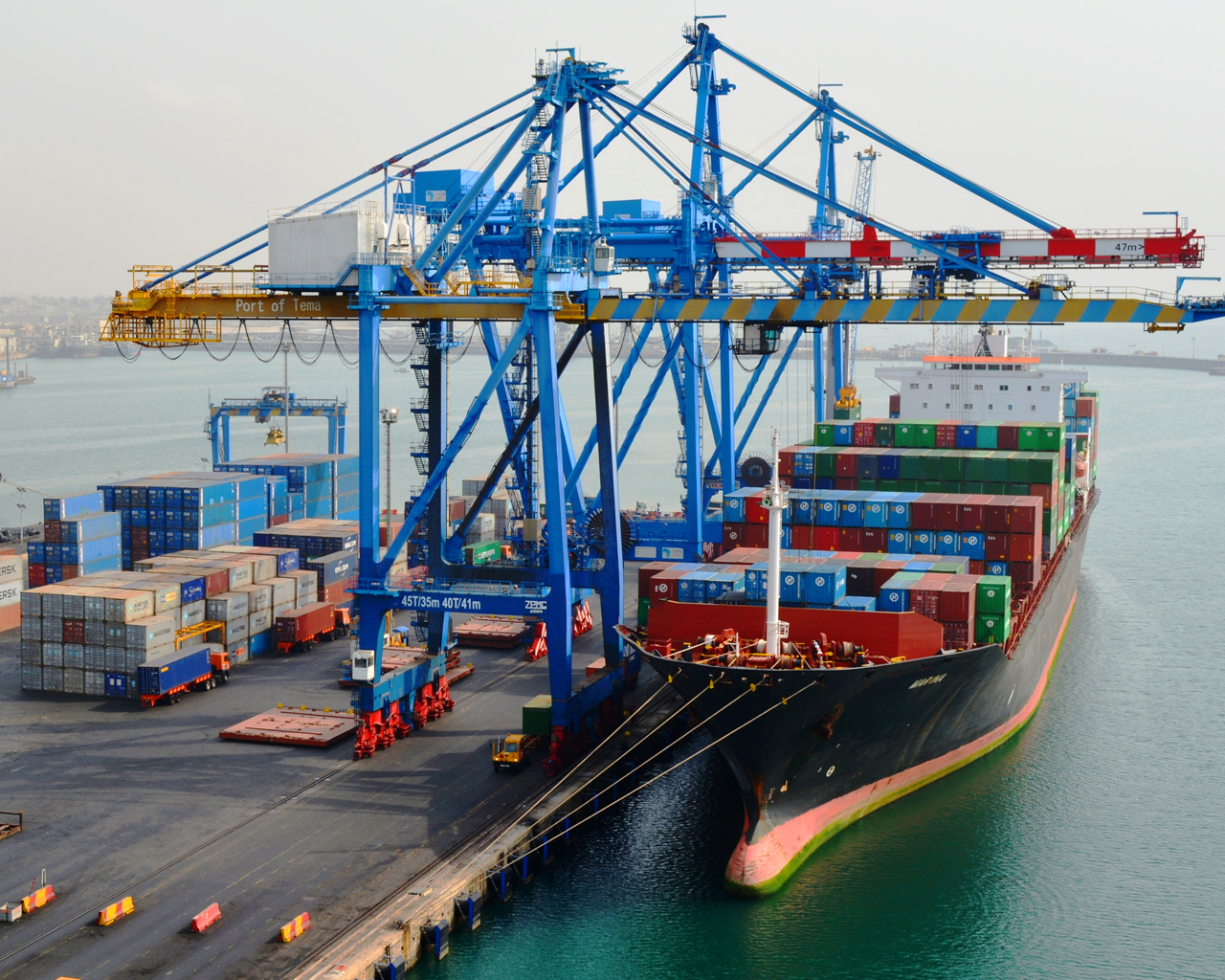
Sea freight? That’s a different story. The same Shanghai to Riyadh route takes 20-35 days, depending on which port you’re using and whether there are transshipments involved. Your cargo sails to Jeddah Islamic Port or King Abdul Aziz Port in Dammam, then gets transferred to trucks for inland delivery.
That time difference seems like a no-brainer, right? Why wouldn’t everyone choose air? Well, here’s where it gets interesting.
The Cost Reality
Speed costs money. A lot of money.
For international cargo shipping, air freight typically runs 5-10 times more expensive than sea freight per kilogram. Sometimes even more, depending on fuel prices, route demand, and seasonal factors.
Think about what that means for your business. If you’re importing a container of low-margin products, air freight costs could wipe out your entire profit. But if you’re shipping high-value electronics with tight delivery windows, those same air freight costs might be a small fraction of your selling price.
The math isn’t always straightforward either. When comparing sea freight solutions to air freight, you need to factor in more than just the shipping rate. There’s insurance, customs duties, inland transportation, warehousing while you wait for the ship to arrive, and the cost of having your capital tied up in inventory that’s floating across the ocean for a month.
When Air Freight Makes Sense
Let me tell you about scenarios where air freight services Saudi Arabia are your best bet, even with the higher costs.
You’re launching a new product and need to hit a specific date. Maybe it’s tied to Ramadan, National Day, or a major promotional event. Missing that window means missing sales you can’t recover. Air freight gives you the certainty to plan your launch with confidence.
Your products are time-sensitive. Pharmaceuticals, fresh flowers, certain food items, or technology products that have a short shelf life in the market. These simply can’t sit on a ship for a month.
You’re dealing with high-value, low-weight items. Jewelry, medical devices, electronics components, luxury goods. When the product value is high relative to its weight, air freight costs become proportionally smaller.
You need to respond to unexpected demand. Your product suddenly goes viral on social media, or a competitor runs out of stock. Quick replenishment through international cargo shipping by air can help you capitalize on opportunities before they disappear.
Seasonal peaks require fast turnaround. During Ramadan, back-to-school season, or year-end holidays, you might need multiple shipments in quick succession. Air freight lets you maintain lean inventory while still meeting demand spikes.
When Sea Freight Is the Smart Choice
Now let’s talk about when sea freight solutions make more sense for your business.
You’re shipping large volumes. Furniture, building materials, automotive parts, bulk consumer goods. When you’re filling containers, the economics of sea freight become compelling. You can ship 20 or 40 feet of cargo for a fraction of what air freight would cost.
Your products are heavy or bulky. Air freight charges by both weight and volume, whichever is greater. Heavy machinery, industrial equipment, or large quantities of dense products become prohibitively expensive by air.
You can plan ahead. When you have predictable demand patterns and can forecast your needs weeks or months in advance, the longer transit time of sea freight solutions becomes manageable. You simply order earlier.
Cost is your primary concern. If you’re working with tight margins or price-sensitive customers, sea freight helps you stay competitive. The savings can be dramatic enough to make or break your business model.
You’re building inventory for steady sales. Staple products that sell consistently throughout the year don’t need rush delivery. Regular sea freight shipments keep your shelves stocked at sustainable costs.
The Hybrid Approach
Here’s something many businesses discover: you don’t have to choose just one method.
Smart companies use both air freight services Saudi Arabia and sea freight strategically. They ship bulk inventory by sea to minimize costs, then use air freight to fill gaps and respond to unexpected demand.
Think of it like this: your base stock arrives by sea, keeping your per-unit costs low. When you notice a product selling faster than expected, you place a small air freight order to bridge the gap until your next sea shipment arrives. Or maybe you keep your basic models coming by sea while rushing in new styles or limited editions by air. This approach requires good planning and reliable partners for both methods of international cargo shipping, but it gives you flexibility without breaking the bank.
Regional Considerations for GCC Businesses
If you’re operating in Saudi Arabia or the broader GCC region, there are specific factors that influence this decision.
The Kingdom has invested heavily in both air and sea infrastructure. King Khalid International Airport in Riyadh, King Fahd International Airport in Dammam, and King Abdulaziz International Airport in Jeddah all handle significant cargo volumes. Your air freight services Saudi Arabia options are excellent, with direct connections to major global hubs.
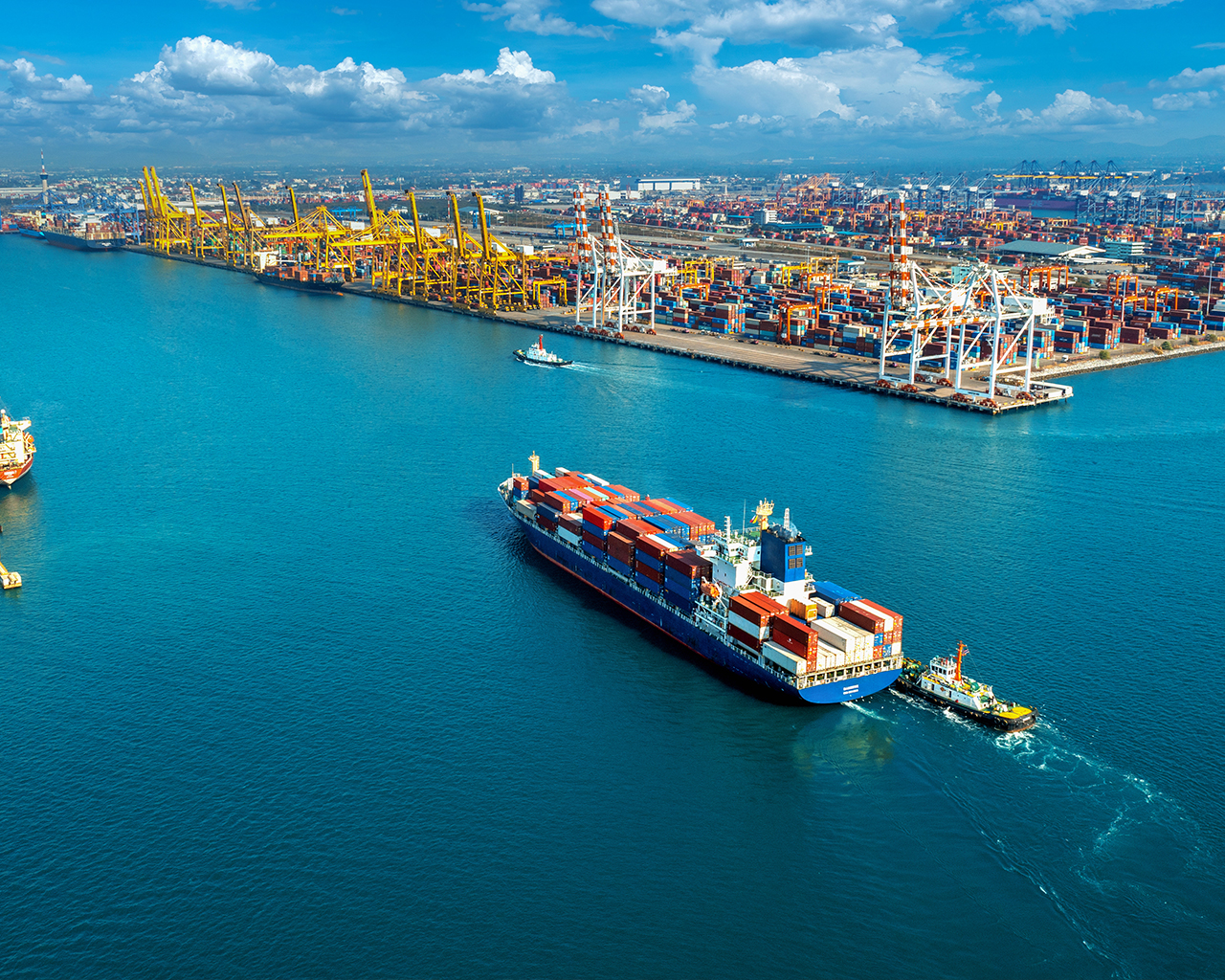
On the sea side, Jeddah Islamic Port on the Red Sea and King Abdul Aziz Port in Dammam on the Arabian Gulf provide access to different trade routes. Jeddah connects you to Europe, Africa, and the Suez Canal route to Asia. Dammam gives you direct access to Asia without the need for canal transit. The choice between these ports and airports can significantly impact your transit times and costs for sea freight solutions. A shipment from East Asia might arrive faster through Dammam, while European goods could reach you quicker through Jeddah.
Understanding Transit Times in Detail
When people talk about shipping times, they often just mention the travel portion. But that’s not the whole story.
For air freight services Saudi Arabia, the actual flight might be just hours. But you need to account for cargo preparation, customs clearance on both ends, and ground transportation. Your shipment needs to be properly packed, documented, and ready to fly. At the destination, it goes through customs inspection, which can take anywhere from hours to days depending on the product type and documentation quality.
Sea freight has similar hidden time factors. Your cargo might arrive at port right on schedule, but then sit waiting for customs clearance, container devanning, and inland transport arrangements. During peak seasons, port congestion can add days or even weeks to your timeline.
This is where working with experienced providers of international cargo shipping makes a real difference. They know how to expedite these processes, have relationships with customs officials, and can navigate the bureaucracy efficiently.
Environmental Considerations
We should talk about sustainability, because more customers care about this every year.
Sea freight solutions are significantly more carbon-efficient than air freight. A container ship produces roughly 50-100 times less CO2 per ton-kilometer than a cargo plane. If your company has sustainability commitments or your customers value environmental responsibility, this matters.
That doesn’t mean air freight is always the villain. Sometimes the faster delivery actually reduces overall emissions by eliminating the need for expedited trucking, multiple warehouse transfers, or production delays that would require emergency shipments later.
The key is making informed choices. Use air freight services Saudi Arabia when the speed truly adds value. Default to sea freight when time allows. Your carbon footprint and your bottom line will both benefit.
Documentation and Compliance
Both shipping methods require proper documentation, but the specifics differ.
Air freight documentation tends to be more straightforward for international cargo shipping. You need an air waybill, commercial invoice, packing list, and any required certificates. The process is faster partly because air shipments typically involve smaller quantities, making inspection and verification quicker.
Sea freight brings additional complexity. Bills of lading, container packing lists, sometimes fumigation certificates or certificates of origin. If you’re importing regulated goods – food, pharmaceuticals, chemicals – the documentation requirements multiply.
Saudi customs authorities are professional and efficient, but they’re thorough. Missing or incorrect documentation causes delays regardless of which shipping method you choose. This is another area where experienced sea freight solutions providers earn their keep.
Insurance and Risk Management
Let’s talk about protecting your investment while it’s in transit.
Air freight typically carries lower insurance costs because transit times are shorter and handling is more controlled. Your cargo spends less time exposed to potential damage, theft, or loss. The risk isn’t zero – planes can be delayed, cargo can be damaged during loading – but it’s generally lower than sea freight.
Sea freight insurance costs more because the journey is longer and more variable. Weather delays, rough seas, port strikes, container damage – plenty can go wrong. But modern sea freight solutions have become remarkably reliable. Container tracking, improved port infrastructure, and better weather forecasting have all reduced risks significantly.
Whatever method you choose for international cargo shipping, make sure your cargo is properly insured. The premium is small compared to the potential loss of a full shipment.
Capacity and Flexibility
Both shipping methods have capacity constraints, but they manifest differently.
Air freight services Saudi Arabia have limited cargo space, especially during peak seasons. Passenger flights that normally carry belly cargo might be reduced, and dedicated cargo flights fill up quickly. During high-demand periods like the months before major holidays, booking space can be competitive and rates spike.
Sea freight has more overall capacity, but it’s also less flexible in the short term. Ships run on fixed schedules. If you miss sailing, you might wait a week or more for the next one. During Chinese New Year or other major disruptions, port congestion can delay multiple shipments simultaneously.
Smart planning means booking your preferred shipping method well in advance, especially for critical shipments. Your sea freight solutions provider should help you understand seasonal patterns and plan accordingly.
Making Your Decision: A Practical Framework
So how do you actually choose? Here’s a practical framework to guide your decision:
Start by calculating your product’s value-to-weight ratio. Divide the product value by its weight. If that number is high, air freight becomes more viable. If it’s low, sea freight makes more economic sense.
Next, consider your inventory carrying costs. How much does it cost you to have capital tied up in inventory? Include warehousing, insurance, the opportunity cost of that money, and the risk of obsolescence. Sometimes paying more for air freight services Saudi Arabia saves money overall by reducing these carrying costs.
Look at your order frequency. If you’re ordering frequently with predictable timing, you can use sea freight solutions and maintain a steady pipeline. If your orders are sporadic or unpredictable, air freight provides more flexibility.
Assess the cost of being out of stock. What happens if you run out of product? Lost sales, customer frustration, damage to your reputation? If stockouts are expensive, air freight’s reliability might justify its cost premium.
Finally, think about your customer expectations. Are you competing on speed? Do your customers value fast delivery enough to pay for it? The right choice for international cargo shipping aligns with what your customers care about most.
Working with the Right Partners
Whether you choose air or sea, partner quality matters enormously.
For air freight services Saudi Arabia, look for providers with strong airline relationships, experience with Saudi customs, and the ability to handle urgent shipments when needed. They should offer real-time tracking and clear communication about any delays or issues.
For sea freight solutions, prioritize providers with established shipping line contracts, knowledge of port procedures in both origin and destination countries, and the infrastructure to handle container devanning and inland distribution.
The best partners offer both options and can advise you honestly about which makes sense for each shipment. They’re not just trying to sell you the most expensive service – they’re helping you optimize your international cargo shipping for your specific business needs.
The Bottom Line
There’s no universal answer to the air versus sea question. The right choice depends on your products, your customers, your margins, and your specific business circumstances.
What matters most is understanding the trade-offs. Air freight services Saudi Arabia offer speed and reliability at a premium price. Sea freight solutions provide economy and capacity with longer lead times.
Most successful businesses use both strategically, choosing the right method for each situation rather than committing to one approach. They build relationships with reliable providers for both types of international cargo shipping, giving them flexibility to adapt as circumstances change.
Take the time to analyze your specific needs. Run the numbers. Consider both the obvious costs and the hidden ones. And remember that the cheapest option isn’t always the most cost-effective when you factor in everything that matters to your business.
Your shipping method is more than just a logistics decision. It’s a strategic choice that affects your inventory management, customer satisfaction, and competitive position. Choose wisely, and you’ll have a powerful advantage in your market. Get in touch with our team today to build a smarter, more efficient shipping strategy for your business.